
Direct Liquidation
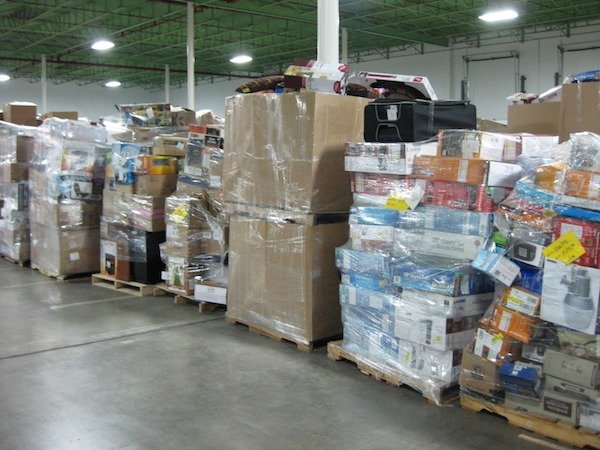
Direct Liquidation: Unlocking Better Deals on Power Tools, Automotive Tools, and More Have you ever needed a reliable tool for a project but felt frustrated by expensive prices, limited choices, or the challenge of finding professional-quality equipment without overspending? Whether you are upgrading your workshop, repairing vehicles, or taking on weekend DIY projects, getting the right tools at the right value can make all the difference. That is where direct liquidation comes in. It offers an exciting way to discover high-quality products, including power tools, automotive tools, hand tools, tool storage solutions, and cordless tool bundles, while making smart purchasing decisions easier. For tool lovers, finding the perfect equipment is always exciting. However, the search can sometimes feel overwhelming. With direct liquidation, more opportunities can be discovered, and valuable tools can be found without the usual stress of traditional shopping. The Story Behind Direct Liquidation: Built for Tool Enthusiasts The idea behind direct liquidation was created from a simple need: great tools should have a chance to reach people who truly need them. Over time, businesses have found themselves with excess inventory, discontinued products, or extra stock that still has plenty of value. Instead of letting these products sit unused, a better solution was needed. Direct liquidation was developed to connect quality tools with customers who are searching for dependable equipment at better prices. This approach has become especially popular among professionals, workshop owners, and DIY enthusiasts who appreciate trusted products. From power tools that help complete major projects to cordless tool bundles that make everyday jobs easier, valuable solutions can be discovered through a smarter buying process. Key Features That Make Direct Liquidation a Smart Choice 1. Access to Professional-Quality Tools at Better Value One of the biggest benefits of direct liquidation is the opportunity to find high-quality tools without always paying standard retail prices. Power tools, automotive tools, and hand tools that are designed for demanding jobs can become more accessible. Because of this, professionals and hobbyists can expand their collections while keeping their budgets under control. Whether you are replacing an old tool or building a complete workshop, better value can be achieved with the right purchasing opportunity. 2. A Wide Selection for Every Type of Project Every project has different requirements, and having the right equipment available is essential. Through direct liquidation, a variety of tools and accessories can be explored in one convenient place. From precision hand tools for detailed work to powerful equipment for larger tasks, more choices can be made available. Additionally, tool storage solutions can be found to help keep workspaces organized and efficient. A well-organized workshop is easier to use, and having the right tools within reach can make every project feel smoother. 3. Convenient Cordless Tool Bundle Options Cordless tools have changed the way many professionals and DIY users work. They provide flexibility, easier movement, and greater convenience on different job sites. With direct liquidation, cordless tool bundles can often provide an excellent way to build or upgrade a collection. Instead of purchasing individual items separately, complete solutions can be discovered that help users prepare for multiple tasks. As a result, more time can be spent creating and repairing rather than searching for missing equipment. 4. Smarter Tool Storage and Organization A great tool collection deserves a great storage solution. Cluttered workspaces can slow down projects and make finding equipment frustrating. Through direct liquidation, tool storage options can be explored to create cleaner and more efficient work areas. Cabinets, organizers, and storage systems help keep tools protected while making them easier to access. Because organization matters, a better workspace can lead to better productivity and a more enjoyable working experience. Who Is Direct Liquidation Perfect For? Direct liquidation is perfect for anyone who enjoys working with quality tools and wants to make smarter purchasing decisions. It is especially useful for: For professionals, direct liquidation can provide access to equipment that supports daily work without unnecessary costs. For hobbyists, it creates opportunities to discover tools that make projects more enjoyable. Additionally, businesses can benefit by finding practical solutions for their teams. Whether new equipment is needed or storage improvements are being planned, valuable options can be explored more easily. Frequently Asked Questions About Direct Liquidation 1. What is direct liquidation for tools? Direct liquidation is a process where tools and equipment are made available directly to buyers, often at competitive prices. It allows useful products, including power tools, hand tools, and bundles, to find new owners. 2. Can I find professional-grade tools through direct liquidation? Yes. Many professional and workshop-quality products can be available through direct liquidation. Buyers can discover options for construction, automotive work, repairs, and everyday projects. 3. Are cordless tool bundles a good choice for beginners? Absolutely. Cordless tool bundles can be a convenient option because several useful items can be provided together. They are ideal for people starting a collection or upgrading their existing tools. Final Thoughts on Direct Liquidation Direct liquidation makes finding quality tools more exciting, affordable, and convenient.From power tools to storage solutions, valuable opportunities can be discovered for every type of project.For anyone who loves working with tools, it is a smarter way to build the perfect collection.
Liquid Bidding
Liquid Bidding: A Smarter Way to Find the Right Deals on Tools Have you ever searched for the perfect tool deal and felt overwhelmed by endless options, confusing prices, and uncertain choices? Whether you are a professional tradesperson or someone who simply enjoys working on projects at home, finding quality tools at the right value can sometimes feel like a challenge. That is where liquid bidding comes in. A smarter and more exciting way to discover opportunities, liquid bidding allows buyers to explore available products, make informed decisions, and find valuable deals without the usual hassle. For fans of trusted brands like DeWalt, Milwaukee, Makita, and Bosch, this approach can open the door to excellent tool finds. Instead of spending hours searching through different sources, a more streamlined buying experience can be created. With the right approach, quality tools and equipment can be discovered while keeping budgets under control. The Story Behind Liquid Bidding: Made for Smarter Shopping The idea behind liquid bidding was created because buyers needed a simpler way to connect with available products and opportunities. Too often, valuable tools and equipment were overlooked because the traditional buying process was slow, complicated, or difficult to navigate. A better solution was needed—one where products could be presented clearly and buyers could feel more confident about their choices. Because of this, liquid bidding was developed to bring more transparency, convenience, and excitement into the purchasing experience. Over time, this method has become popular among people looking for quality products, including professional tools from brands such as DeWalt, Milwaukee, Makita, and Bosch. By making the process easier to understand, better buying decisions can be made. Key Features That Make Liquid Bidding a Great Choice 1. Access to More Opportunities One of the biggest benefits of liquid bidding is the ability to discover products that may not always be found through traditional shopping methods. A wider selection can be explored, giving buyers more chances to find useful tools and equipment. Whether you are searching for a specific item or simply looking for a great opportunity, more choices can be available in one convenient place. 2. A Simple and Engaging Buying Experience Shopping for tools should feel exciting, not stressful. With liquid bidding, the process is designed to be easier and more enjoyable. Instead of dealing with complicated purchasing steps, buyers can follow a clearer process and make decisions with greater confidence. As a result, less time can be spent searching and more time can be spent focusing on the projects that matter. 3. Great Value for Tool Enthusiasts For anyone who loves reliable tools, value is always important. Liquid bidding creates opportunities to find products at competitive prices while still focusing on quality. Trusted names like DeWalt, Milwaukee, Makita, and Bosch are known among professionals and DIY users for their dependable performance. Finding these types of tools through a smart bidding process can make every purchase feel more rewarding. 4. Better Control Over Your Choices Another advantage of liquid bidding is the ability to stay in control. Buyers can review available options, compare choices, and decide what works best for their needs. This approach helps remove unnecessary pressure and allows a more thoughtful purchasing experience. Instead of rushing into a decision, buyers can select products that truly match their requirements. Who Is Liquid Bidding Perfect For? Liquid bidding is perfect for anyone who enjoys finding quality tools, equipment, and products while looking for better value. It can be especially useful for: For fans of brands like DeWalt, Milwaukee, Makita, and Bosch, this method provides an exciting way to explore available opportunities. Whether a new tool is needed for a major project or an upgrade is being considered, liquid bidding can help make the search more rewarding. Additionally, businesses can benefit because purchasing decisions can be made more efficiently. When time and budget matter, having a smoother process can make a noticeable difference. Frequently Asked Questions About Liquid Bidding 1. What is liquid bidding? Liquid bidding is a buying process where available products or assets are offered through a competitive bidding system. It allows buyers to explore options and make offers based on their needs and budget. 2. Can I find professional tools through liquid bidding? Yes. Many buyers use liquid bidding to discover a variety of products, including professional-grade tools from trusted brands like DeWalt, Milwaukee, Makita, and Bosch. 3. Is liquid bidding suitable for beginners? Absolutely. While the process may seem new at first, it can be simple to understand. By reviewing product details and setting a clear budget, beginners can confidently participate. Final Thoughts on Liquid Bidding Liquid bidding offers a fresh and exciting way to discover valuable products and make smarter buying decisions.With easier access to opportunities, quality tools can be found without unnecessary stress.For tool lovers and professionals alike, it is a modern approach worth exploring.
Pallets
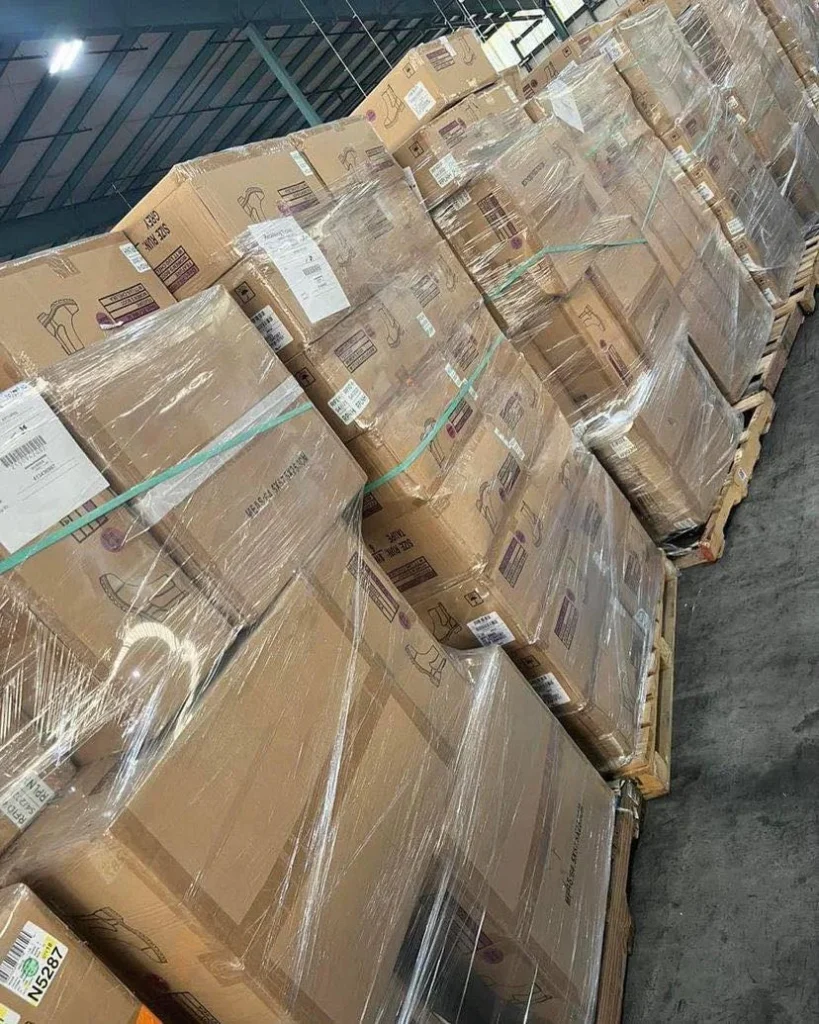
Pallets That Make Storage, Shipping, and Organization Feel Effortless Have you ever looked at a busy warehouse, garage, workshop, or storage area and thought, “There has to be a better way to keep all of this organized”? You are not alone. Clutter, damaged goods, and wasted space can quickly turn simple tasks into frustrating challenges. That is where pallets come in. These simple yet powerful platforms have been designed to make moving, storing, and protecting products much easier. Whether you are managing a business in the U.S.A or the UK, improving your workspace, or simply looking for a smarter storage solution, the right pallets can completely change the way things are handled. Today, pallets are being used everywhere because they offer a practical solution to everyday problems. From warehouses to home projects, they have become a reliable tool for creating cleaner, safer, and more efficient spaces. The Story Behind Our Pallets: Built Around Real Needs The idea behind modern pallets came from a simple observation: people needed a better way to move and store items without wasting time or energy. Too often, products were being damaged during transportation, storage areas were becoming difficult to manage, and workers were spending extra effort on tasks that could have been simplified. Because of these challenges, pallets were created to bring more structure and convenience into everyday operations. They were designed with real users in mind, so every detail could help make handling goods smoother and more reliable. Over time, pallets have continued to evolve. Better materials, improved designs, and stronger construction methods have been introduced so they can meet the changing needs of businesses and individuals. Today, they are trusted because they provide a balance of practicality, durability, and flexibility. Key Features That Make Pallets a Smart Choice 1. Easy Movement That Saves Time One of the biggest advantages of pallets is how easily items can be moved from one place to another. Instead of carrying heavy products individually, everything can be grouped together and transported more efficiently. This means less time is spent organizing shipments or rearranging storage areas. As a result, daily tasks can be completed faster, and energy can be focused on more important jobs. 2. Strong Support for Everyday Storage Good storage starts with a dependable foundation. Pallets provide that support by keeping items raised, organized, and easier to access. Because products are lifted away from the floor, better protection can be provided against moisture, dirt, and accidental damage. Whether used in a warehouse, shop, or personal workspace, pallets help create a more controlled storage environment. 3. Flexible Options for Different Needs Another reason pallets are so popular is their flexibility. They can be used across many industries and for countless purposes. From shipping supplies and organizing inventory to supporting creative DIY projects, pallets can be adapted to suit different situations. This versatility means one simple solution can often be used in multiple ways. 4. A More Organized and Professional Space A messy area can slow everything down. With pallets, better organization can be achieved because products can be arranged neatly and stored in a more structured way. When spaces are organized, finding items becomes easier, workflows improve, and a more professional environment is created. Small improvements like this can make a surprisingly big difference. Who Are Pallets Perfect For? Pallets are perfect for anyone who wants a simpler and more efficient way to handle storage or transportation. They are widely used by: In addition, pallets are a great choice for people who value convenience. Whether a large operation or a small personal project is being managed, they can provide the support needed to keep things running smoothly. For companies in the U.S.A and UK, pallets have become an essential part of many supply chains. Because they are dependable and easy to use, they continue to be a favorite choice across different industries. Frequently Asked Questions About Pallets 1. What are pallets mainly used for? Pallets are mainly used for storing, organizing, and transporting goods. They allow multiple items to be grouped together, making handling easier and reducing the risk of damage during movement. 2. Can pallets be used outside of businesses? Absolutely. While pallets are commonly associated with warehouses and shipping, they can also be used at home. They have been transformed into garden furniture, storage solutions, shelving, and many other creative projects. 3. How do I choose the right pallets for my needs? The best pallets depend on what they will be used for. Consider the type of items being stored, how often they will be moved, and the environment where they will be placed. Choosing the right option ensures better performance and longer-lasting value. Final Thoughts on Choosing the Right Pallets The right pallets can make everyday tasks feel simpler, faster, and more organized.From businesses to personal projects, they provide a practical solution that can be trusted.When better storage and smoother movement are needed, pallets are a smart choice worth considering.
Milwaukee Set
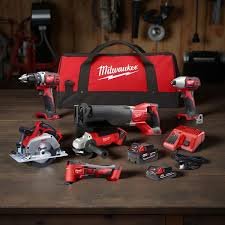
Milwaukee Sets: A Practical Guide to Building a Professional Tool Collection Building a reliable tool collection can be a significant investment. Whether you are a professional contractor, tradesperson, workshop owner, reseller, or serious DIY enthusiast, buying every tool individually can quickly add up. One practical alternative is to purchase a Milwaukee tool set. Instead of selecting each tool separately, a set can combine several commonly used tools, batteries, chargers, and accessories into a single package. This approach can make it easier to establish a versatile collection while potentially offering better overall value. For buyers in the United States and United Kingdom, bulk and returned-tool inventory can also provide another way to find Milwaukee equipment at prices that may differ from standard retail pricing. However, buyers should always check the condition, contents, and terms of a particular lot before making a purchase. What Is a Milwaukee Set? A Milwaukee set is a collection of tools and related equipment packaged together for a particular type of user or application. The contents vary considerably. Some sets focus on basic cordless equipment, while larger collections may include drills, impact drivers, saws, grinders, lights, batteries, chargers, and accessories. One of Milwaukee’s major advantages is its cordless platform system. The company’s M12 and M18 battery platforms support a broad range of compatible tools, allowing users to expand their collection without necessarily needing a separate battery system for every tool. This can be particularly useful for professionals who regularly use several cordless tools throughout the working day. Why Consider Buying a Milwaukee Set? 1. It Can Offer Better Overall Value Buying several tools together can sometimes be more economical than purchasing the same items individually. For someone starting a workshop, for example, a suitable combination kit may provide several essential tools at once. This can reduce the need to make multiple purchases over time. The actual savings depend on the contents and price of the particular set, so it is worth comparing the package price with the cost of purchasing equivalent tools separately. 2. Several Essential Tools Are Available Together Different jobs require different equipment. A drill may be useful for one task, while an impact driver, reciprocating saw, grinder, or work light may be needed for another. A well-chosen set can provide several of these tools at the same time. This makes it easier to handle a wider range of projects without repeatedly returning to the store for additional equipment. 3. Battery Compatibility Can Simplify Your Setup Cordless tools are convenient, but managing multiple battery systems can become frustrating. Milwaukee’s M12 and M18 platforms allow compatible tools to share batteries within their respective systems. Once a user has established a battery platform, adding another compatible tool can therefore be more straightforward. This can also make charging and battery storage easier to manage in a busy workshop or jobsite. 4. It Can Help Keep a Workshop Organized Having a coordinated collection of tools can make it easier to organise a workspace. Instead of gradually accumulating unrelated tools and accessories, users can build their collection around a particular platform and storage system. Proper organisation can save time when moving between tasks and make it easier to identify missing or damaged equipment. Who Can Benefit From a Milwaukee Set? Milwaukee sets can be useful for a variety of users, including: The best choice depends on how the tools will be used. A homeowner completing occasional repairs may need a much smaller collection than a professional contractor using equipment every day. What Should You Check Before Buying? Not every Milwaukee set is the same, particularly when purchasing bulk, returned, or liquidation inventory. Before buying, check: These details are especially important when purchasing pallets or bulk inventory, where the contents and condition can vary between lots. Milwaukee Sets for Resellers A Milwaukee set can also be relevant to people involved in tool resale. Instead of purchasing a single item at a time, bulk inventory may contain multiple tools that can potentially be resold individually. This can give a reseller more flexibility when creating listings or responding to different customer requirements. However, profitability should never be assumed. Resellers need to account for purchase costs, shipping, testing, missing components, repairs, marketplace fees, and potential returns before deciding whether a particular lot represents a good business opportunity. Frequently Asked Questions What is usually included in a Milwaukee set? The contents depend on the specific package. Sets can include combinations of cordless tools, batteries, chargers, cases, storage solutions, and accessories. Always review the individual product description before purchasing. Are Milwaukee sets suitable for beginners? Yes. A suitable set can be a convenient starting point because it provides several commonly used tools at once. Beginners should choose a package based on the projects they expect to undertake rather than simply selecting the largest set available. Is a Milwaukee set cheaper than buying individual tools? It can be, but this is not guaranteed. Compare the set’s total price with the current prices of its individual components. Also consider whether you actually need every item included in the package. What are M12 and M18? M12 and M18 are Milwaukee cordless tool platforms. M12 tools use the company’s 12-volt battery system, while M18 tools use its 18-volt system. Tools and batteries must be compatible with the appropriate platform. Final Thoughts A Milwaukee set can be a practical way to build a versatile tool collection without purchasing every item separately. For professionals, it can provide a convenient selection of equipment for everyday work. For DIY users, it can establish the foundation of a home workshop. For resellers, bulk inventory can create opportunities to acquire multiple items in a single purchase. The key is to look beyond the number of tools included. Consider the tools you actually need, battery compatibility, product condition, warranty terms, and the total cost. With careful comparison, the right Milwaukee set can provide a practical foundation for projects, professional work, or a growing workshop.
Amazon Resale

Amazon Resale: A Smarter Way to Find Great Products for Less Have you ever found something you really wanted online, only to see the price and think, “Maybe I’ll wait for a sale”? We’ve all been there. The good news is that great products don’t always have to come with a brand-new price tag. With amazon resale, quality items can be discovered for less, giving shoppers another way to get the things they need without stretching their budgets. Whether you’re searching for home essentials, electronics, fashion, books, or everyday gadgets, resale can make online shopping feel a lot more rewarding. Instead of paying full price every time, products that still have plenty of life left in them can be given a second chance. The Story Behind Amazon Resale: Why We Love the Idea Shopping has changed dramatically. Today, people are not only looking for convenience; they’re also looking for value. At the same time, perfectly useful products can be overlooked simply because they have been returned, opened, or lightly used. That is where amazon resale becomes interesting. The idea is simple: products that may no longer fit the traditional “brand-new” category can still be useful to someone else. Rather than allowing good items to go unused, resale gives them another opportunity to find a home. We love this approach because it feels practical. You get the chance to save money, while products that might otherwise sit unused can continue serving a purpose. Plus, there’s something genuinely exciting about finding a great deal that you didn’t expect. Most importantly, the experience encourages smarter shopping. Instead of automatically choosing the newest option, shoppers can consider whether a resale item could do the job just as well. 4 Reasons Amazon Resale Is Worth Exploring 1. Your Budget Can Go Further Let’s start with the obvious: price matters. One of the biggest attractions of amazon resale is the opportunity to find products at a lower price than their new counterparts. For shoppers watching their spending, that difference can be meaningful. For example, a product that has been returned but remains perfectly usable may be offered at a reduced price. As a result, you could get something you genuinely want without paying the maximum price. And honestly, who doesn’t enjoy keeping a little extra money in their wallet? 2. Great Products Can Get a Second Chance Sometimes, a product is returned for a reason that has very little to do with its usefulness. Maybe the packaging was opened. Perhaps the buyer changed their mind. Or maybe the item simply wasn’t right for the original customer. Instead of being treated as worthless, such products can be resold. That second chance is one of the most appealing parts of amazon resale. A product that wasn’t right for one person may be exactly what another shopper has been looking for. It’s a win-win situation: the product gets used, and you may get a better price. 3. You Can Discover Unexpected Deals There’s a little thrill involved in resale shopping. You might start looking for one thing and stumble across another item at a surprisingly attractive price. Because resale inventory can change, new opportunities may appear regularly. Therefore, it can be worth checking available options before automatically purchasing the newest listing. Of course, every item should be reviewed carefully before buying. Condition, seller information, descriptions, and return policies should always be considered. Still, when the right product appears, that feeling of finding a bargain can be pretty satisfying. 4. Shopping Can Become More Thoughtful Fast shopping often encourages us to buy without thinking twice. Resale can slow that process down in a good way. Instead of asking, “What’s the newest version?” you might ask, “What do I actually need?” That small change can lead to better purchasing decisions. A gently used or returned product may meet your needs perfectly, especially when appearance matters less than functionality. In addition, choosing resale can help extend the useful life of products. Rather than being forgotten after a return, an item can be put back into use. Who Is Amazon Resale Perfect For? Amazon resale is a particularly good option for budget-conscious shoppers who still want access to useful, quality products. It can also be ideal for students, families, first-time homeowners, bargain hunters, and anyone who enjoys stretching their shopping budget. If you’re furnishing a home, upgrading everyday essentials, or simply trying to spend less, resale options can be worth exploring. It’s also a great fit for curious shoppers. If you enjoy comparing prices and hunting for unexpected bargains, the resale experience can turn an ordinary shopping trip into a mini treasure hunt. However, resale isn’t necessarily for everyone. If you want untouched packaging or a guaranteed brand-new product, buying new may still be the better choice. The key is knowing what matters most to you before you click “buy.” Frequently Asked Questions What does Amazon resale mean? Amazon resale generally refers to products that are being offered again after being returned, opened, or otherwise removed from the standard new-product category. Depending on the item, its condition can vary, so the listing information should always be checked carefully. Are resale products worth buying? They can be. The value depends on the product, its condition, the price difference, and what you expect from the purchase. If an item meets your needs and is being offered at a worthwhile discount, it may be a smart choice. What should I check before buying a resale item? Before purchasing, look at the stated condition, product description, seller information, pricing, and available return details. Also, make sure the item has the features you actually need. A low price is great, but it shouldn’t be the only thing considered. Final Thoughts Amazon resale gives shoppers another way to find useful products while keeping an eye on their budgets.With a little patience and careful checking, surprisingly good deals can be discovered.So next time you’re ready to shop, take a second look at resale you might just find your next
Black Milwaukee Tools: Features, Availability and Buying Guide
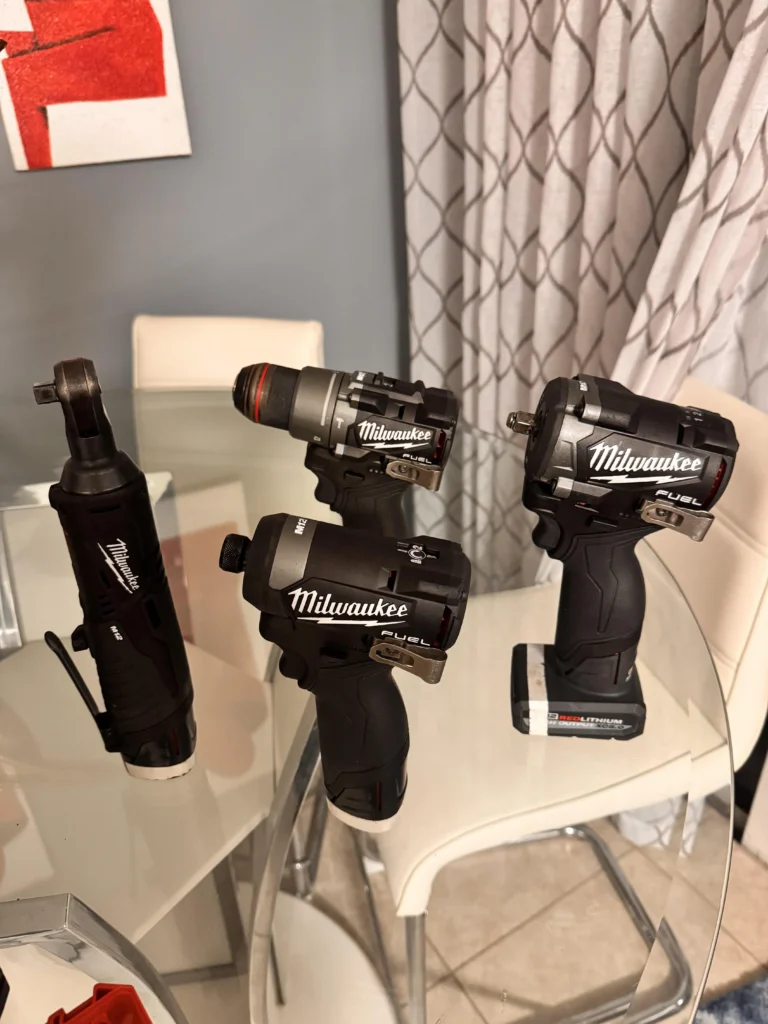
Black Milwaukee tools are limited-edition or special-release versions of Milwaukee’s professional-grade power tools, finished in a sleek all-black colorway. They offer the same M18 FUEL performance pros rely on daily, but with a bold aesthetic that sets them apart on the jobsite—and they’re available in bulk through tool pallet suppliers like Tool Pallets. You’ve got a job to do. You need tools that keep up—and maybe, just maybe, look great doing it. That’s the appeal of black Milwaukee tools. They hit different. Same brutal performance you’d expect from Milwaukee’s M18 FUEL lineup, but wrapped in an all-black finish that turns heads on every jobsite. Milwaukee Tool has built a reputation as one of the most trusted names in professional-grade power tools. According to Milwaukee Tool’s official product pages, the brand focuses relentlessly on the needs of professional tradespeople—designing tools around real-world use cases rather than lab conditions. Black Milwaukee tools are typically released as special editions, retail exclusives, or promotional bundles, making them slightly harder to find at standard retail prices. That’s where tool pallets come in. Buying black Milwaukee tools through liquidation or overstock pallets is one of the smartest ways to get your hands on premium gear without paying full retail. Let’s dig into what makes these tools so sought after—and who they’re really built for. Why Black Milwaukee Tools Are So Hard to Find at a Good Price The Limited-Edition Problem Here’s the frustrating reality: black Milwaukee tools are not always stocked year-round. Many colorways are released through exclusive retail partnerships or as promotional bundles, which means once a run sells through, it’s gone. Retail prices on individual black Milwaukee tools can run significantly higher than their standard red counterparts, simply due to scarcity and demand. Contractors, resellers, and serious DIYers across the U.S. and UK have figured out that buying Milwaukee tool pallets—bulk lots sourced from overstock, liquidation, or returns—can be a far more cost-effective path to stocking up on these tools. A single pallet from Tool Pallets can include multiple Milwaukee tools at a fraction of the retail cost per unit. The Story Behind the Black Colorway Milwaukee Tool didn’t just slap black paint on existing products and call it a day. The black finish versions are typically tied to specific retail partnerships (Home Depot has historically carried exclusive black-finish Milwaukee tools), or released as part of promotional kits designed to stand out from the standard lineup. The idea was simple: give professional tradespeople something that felt premium and exclusive, without compromising on the core engineering. Milwaukee’s M18 FUEL platform—the backbone of most black edition releases—is built around a brushless motor system, REDLITHIUM battery technology, and POWERSTATE motor design. These aren’t cosmetic upgrades. The black tools perform exactly as the red ones do, which is to say, exceptionally well. According to Pro Tool Reviews, Milwaukee’s M18 FUEL platform consistently ranks at the top of independent performance testing across categories including drills, impact drivers, and circular saws. The black editions carry all of that engineering in a finish that just looks sharper on the belt or in the truck. 4 Key Features That Make Black Milwaukee Tools Worth It 1. M18 FUEL Performance in Every Model The core reason anyone buys Milwaukee—black or red—is performance. The M18 FUEL system delivers more power, faster speeds, and longer runtime than most competitors in its class. The brushless motor technology reduces friction and heat, which directly translates to longer tool life. For a contractor running tools eight-plus hours a day, that matters enormously. Black editions of the M18 FUEL drill, impact driver, and circular saw share identical internals with their standard counterparts. So the performance case doesn’t need to be made separately—it’s already proven. 2. REDLITHIUM Battery Compatibility One of Milwaukee’s biggest competitive advantages is battery ecosystem compatibility. Every black Milwaukee tool that runs on M18 is compatible with the entire M18 REDLITHIUM battery family. That means if you’re already in the Milwaukee ecosystem, adding black edition tools to your kit requires zero additional battery investment. One charger, one battery platform, multiple tools. This is especially important for resellers purchasing through tool pallets. Mixed Milwaukee pallets from Tool Pallets often include multiple compatible tools, making it easy to build out a complete battery-compatible kit from a single purchase. 3. Aesthetic That Actually Matters on the Jobsite This might sound like a “soft” feature, but hear this out. On a busy jobsite, tool visibility and identification matter. Black Milwaukee tools are easy to identify as your own, less common than the standard red lineup, and—frankly—they look professional. When you’re showing up to a client’s home or a commercial site, the tools you carry make an impression. For resellers, black edition tools move fast. They photograph well, they stand out in listings, and buyers actively search for them. That makes them a smart addition to any resale inventory built from wholesale tool pallets. 4. Durability That Holds Up to Daily Abuse Milwaukee tools are built for professional use, which means they are drop-tested, weather-resistant, and designed to handle the kind of abuse that would destroy lesser tools. The black finish is applied over the same durable housing used across the standard lineup. It doesn’t chip easily, and it doesn’t affect grip or ergonomics. For anyone buying through liquidation or overstock pallets, it’s worth noting that Milwaukee’s build quality means even returned or overstock units are frequently in excellent working condition. The Milwaukee Tool Returns Pallet available at Tool Pallets, for example, offers untested returns at significantly reduced prices—a calculated risk that often pays off given Milwaukee’s inherent durability. Who Are Black Milwaukee Tools Perfect For? ✅ Professional Tradespeople Electricians, plumbers, carpenters, and general contractors who already run Milwaukee systems will find black editions a natural addition. The battery compatibility alone makes it a no-brainer—no new chargers, no new learning curve. ✅ Resellers and Wholesalers Black Milwaukee tools are high-demand items in secondary markets. Resellers purchasing through wholesale or liquidation pallets can turn individual tools quickly, especially when they’re sourced at
New Pallets of Tools
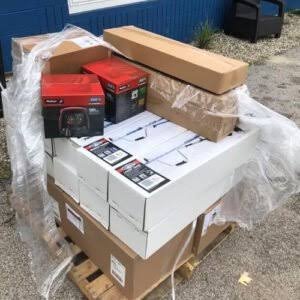
New Pallets of Tools: What You’re Actually Getting (And Why It’s Worth It) You’ve been there. You need a solid set of tools for a job, a business, or a project, but the retail price tags make your eyes water. A single brand-new drill from a big-box store can run you $150 or more—and that’s just one tool. Multiply that across an entire toolkit, and you’re suddenly looking at thousands of dollars before you’ve even broken ground. That’s exactly the problem new pallets of tools are built to solve. These bulk lots pack dozens of tools into a single purchase—often at a fraction of what you’d pay retail. But not all pallets are created equal, and knowing what to look for makes the difference between a smart buy and a frustrating surprise. This guide breaks it all down: what new pallets actually are, what makes them worth buying, who they’re best suited for, and how to get started without second-guessing yourself. Whether you’re a contractor looking to restock your crew’s gear, a reseller hunting for margin, or a hands-on DIYer who just wants more bang for your buck, new pallets might be the most exciting tool-buying decision you make this year. What Are New Pallets, and Why Are They Different from Regular Liquidation? New pallets are bulk lots of tools that are sourced from overstock, surplus inventory, or excess stock from major retailers and manufacturers. Unlike customer-return pallets—where items may be used, damaged, or missing parts—new pallets typically contain tools in unused or near-new condition. That distinction matters a lot, especially if you’re buying for a business or resale. Overstock happens constantly in the tool industry. Retailers overbuy for seasonal demand. Manufacturers produce more than distribution channels can absorb. When that excess inventory needs to move fast, it gets bundled into pallets and sold at wholesale prices—well below what consumers would pay on the shelf. The result? Buyers get access to tools from brands like DeWalt, Milwaukee, Ryobi, and Ridgid at dramatically reduced per-unit costs. According to the National Retail Federation, billions of dollars worth of merchandise flows through liquidation and overstock channels every year in the U.S. alone—and tools represent a significant slice of that market. So when you’re browsing new pallets, you’re tapping into a wholesale supply chain that most everyday shoppers never see. The Story Behind Tool-Pallets.com — Built for People Who Get It Tool-Pallets.com was built with a simple idea: quality tools shouldn’t require a massive budget. The platform was created for the people who are actually in the field—engineers, electricians, contractors, field service workers, and resellers who understand the value of a well-made tool but can’t always justify paying full retail on every single item. The focus has always been on sourcing pallets that are genuinely useful. That means prioritizing recognized brands, maintaining transparency about what’s included in each lot, and offering wholesale pricing that makes bulk buying make sense. The community of buyers that has grown around the platform—from DIY enthusiasts to business owners—reflects how universal that need really is. “I’ve been buying tool pallets for my small business for the past few months, and I’m really impressed with the quality and selection from tool-pallets.com. I’ve saved so much compared to buying individual items at full price.” — Mark S., Business Owner That kind of feedback drives the curation. Every pallet listed is selected with the buyer’s end-use in mind—whether that’s stocking a job site, building out a retail inventory, or completing a personal project. 4 Key Features of New Pallets That Make Them Worth Buying 1. Bulk Value at Wholesale Pricing The most obvious benefit is cost. New pallets allow buyers to acquire multiple tools—sometimes dozens—at a per-unit cost that simply can’t be matched by retail shopping. A Gas Blowers Tool Pallet, for example, is offered at $1,500 compared to an original price of $1,950. A Ridgid Tool Pallet drops from $3,650 to $2,000. These aren’t minor discounts—they’re the kind of savings that change how a business operates. For resellers especially, that margin is everything. Buy a pallet, sell tools individually, and the math works in your favor quickly. 2. Brand-Name Tools You Already Trust New pallets on Tool-Pallets.com aren’t mystery bins of off-brand hardware. The lots feature tools from household names: DeWalt, Milwaukee, Ryobi, Ridgid, and more. These are brands that contractors, tradespeople, and serious DIYers have built their workflows around for decades. Buying a Dewalt Mixed Tool Pallet or a Mixed Milwaukee & DeWalt Pallet means you’re getting tools that come with recognized build quality—not unknown commodities that need to be tested before they can be trusted. 3. Wide Variety of Tool Categories New pallets aren’t limited to one type of tool. The available lots span a broad range of categories: This variety means new pallets can serve very different buyer needs. A landscaping company might gravitate toward the Outdoor Power Equipment Pallet, while a hardware reseller might prefer a mixed lot. The flexibility is built in. 4. Transparent Listings with Clear Pricing One of the most frustrating parts of buying liquidation or bulk inventory elsewhere is the lack of information. Vague descriptions, unclear conditions, and hidden fees make it hard to commit with confidence. Tool-Pallets.com addresses this directly by listing original retail prices alongside current pricing, providing product descriptions that set clear expectations, and offering customer ratings across most pallets. When buyers know what they’re getting—and can see that other buyers rated a pallet 4.3 or 4.5 out of 5—the decision becomes a lot easier. Who Are New Pallets Perfect For? New pallets aren’t one-size-fits-all, but they work exceptionally well for several types of buyers: Resellers and Small Business Owners Buying wholesale to sell retail is one of the oldest business models around. New pallets give resellers a reliable way to source brand-name tools at a cost that leaves room for healthy margins. Platforms like Facebook Marketplace, eBay, and local trade sales are all viable channels for moving individual tools sourced from a pallet. Contractors and Trade Professionals When
Wholesale Tool Pallets: Complete Guide for Bulk Buyers
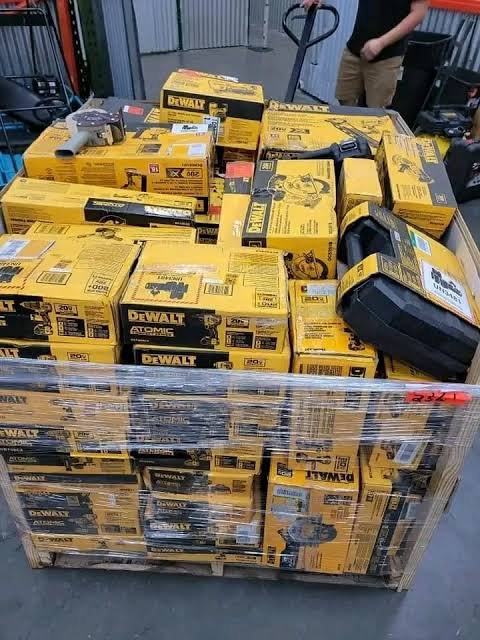
Wholesale tool pallets are bulk lots of power tools, hand tools, and outdoor equipment sold together at deeply discounted prices. They’re sourced from liquidation, overstock, or returns, making them a cost-effective way for resellers, contractors, and small businesses to stock inventory without paying full retail prices. You’ve done the math. Buying tools one by one at retail prices eats into your margins fast. Whether you’re running a small resale business, stocking a trade shop, or supplying a crew of contractors, that per-unit cost adds up quickly—and not in a good way. That’s exactly the problem wholesale tool pallets were built to solve. Instead of hunting down individual items across multiple suppliers, you get a full pallet of professionally sourced tools delivered straight to you, at a fraction of what you’d pay on the shelf. According to the National Retail Federation, retail returns in the U.S. totaled over $743 billion in 2023 alone—and a significant portion of that stock ends up in liquidation channels, which is where tool pallet buyers win big. At Tool-Pallets.com, wholesale tool pallets have been put together with exactly this buyer in mind. This post breaks down what makes them worth it, who they’re ideal for, and what you should know before placing your first order. What’s the Story Behind Tool-Pallets.com? The idea was straightforward: there’s a massive gap between what tools cost at retail and what they’re actually available for through liquidation and overstock channels. Contractors, resellers, and small business owners were being underserved—either overpaying for individual items or stumbling through unreliable sources trying to find bulk deals. Tool-Pallets.com was built to close that gap. By sourcing pallets directly from liquidation pipelines and excess inventory, the platform makes it possible for buyers in the U.S. and UK to access brand-name tools—think DeWalt, Milwaukee, Ryobi, and Ridgid—at wholesale prices, without needing a warehouse full of connections to do it. The result? A curated shop where every pallet is selected to deliver real value, not just quantity. 4 Key Features That Make Wholesale Tool Pallets Worth It 1. Brand-Name Tools at Wholesale Prices This is the headline benefit, and it delivers. Tool-Pallets.com carries pallets loaded with recognizable brands—DeWalt mixed tool pallets, Milwaukee overstock lots, Ridgid pallets, and more. These aren’t mystery boxes of off-brand hardware. They’re the same tools your customers already trust, available at prices that let you actually make a margin. For example, the Dewalt Mixed Tool Pallet is currently listed at $1,400 (down from $1,950), while the Milwaukee Tool Returns Pallet is available at $1,500—a significant saving on brand-name inventory that would cost considerably more at retail. Why This Matters for Resellers When your inventory cost drops, your margin grows. Buying at wholesale prices means you can price competitively and still come out ahead—whether you’re selling on eBay, at a market stall, or through your own shop. 2. A Genuinely Wide Range of Pallet Types Not every business has the same needs, and the pallet selection reflects that. You can browse: This range matters because it means the platform isn’t a one-size-fits-all solution. A contractor sourcing job-site equipment has different needs than a flea market reseller looking for high-turnover hand tools—and both are catered for. Browse the full selection at the Tool-Pallets.com shop. 3. Liquidation Tool Pallets With Real Savings Built In Many of the pallets available are sourced through liquidation channels—meaning overstock, customer returns, and excess inventory from major retailers. This is how buyers access significant discounts compared to standard wholesale pricing. According to BULQ, liquidation merchandise is typically sold at 10–30% of its original retail value, which is why savvy resellers treat it as one of the most efficient sourcing strategies available. Tool-Pallets.com taps directly into that supply chain and makes it accessible without requiring a business license or a minimum spend in the tens of thousands. What “Liquidation” Actually Means Here It doesn’t mean broken or unusable. Liquidation stock includes customer returns (many unopened), shelf pulls, and overstock—items that are perfectly functional but can’t be resold as new by the original retailer. That’s the opportunity. 4. Options for Every Budget and Business Size Whether you’re just getting started or scaling an established operation, there’s an entry point that works. The Loose Tool Pallet starts at $150, giving first-time buyers a low-risk way to test the waters. At the other end, larger pallets like the Ridgid Tool Pallet are priced at $2,000 (down from $3,650) for buyers ready to invest in higher-value inventory. This tiered structure means you’re not locked into a spend level that doesn’t make sense for where your business is right now. Who Are Wholesale Tool Pallets Perfect For? This isn’t just a product for one type of buyer. Wholesale tool pallets from Tool-Pallets.com are a strong fit for: As one verified buyer, Mark S., shared on the site: “I’ve saved so much compared to buying individual items at full price.” That sentiment is echoed across the customer reviews on Tool-Pallets.com, where real-world buyers have consistently highlighted the value and reliability of the pallets received. Frequently Asked Questions What types of tools are included in a wholesale tool pallet? Wholesale tool pallets typically include a mix of power tools (drills, pressure washers, generators), hand tools (wrenches, screwdrivers), and outdoor power equipment (gas blowers, lawn tools). The exact contents vary by pallet type. Tool-Pallets.com offers both mixed pallets and brand-specific options—like Milwaukee or DeWalt pallets—so buyers can choose based on what suits their inventory needs. Are liquidation tool pallets a good investment for resellers? Yes, liquidation tool pallets can be a strong investment for resellers when bought from a reputable source. Because pallets are sourced from overstock and returns, the per-unit cost is significantly lower than retail. This allows resellers to price competitively and maintain healthy margins. The key is buying from a platform that clearly describes pallet contents and condition—which Tool-Pallets.com does. Can I buy wholesale tool pallets if I’m not a registered business? Absolutely. Tool-Pallets.com sells to both businesses and individuals. You don’t need a business license or
Target Liquidation Store
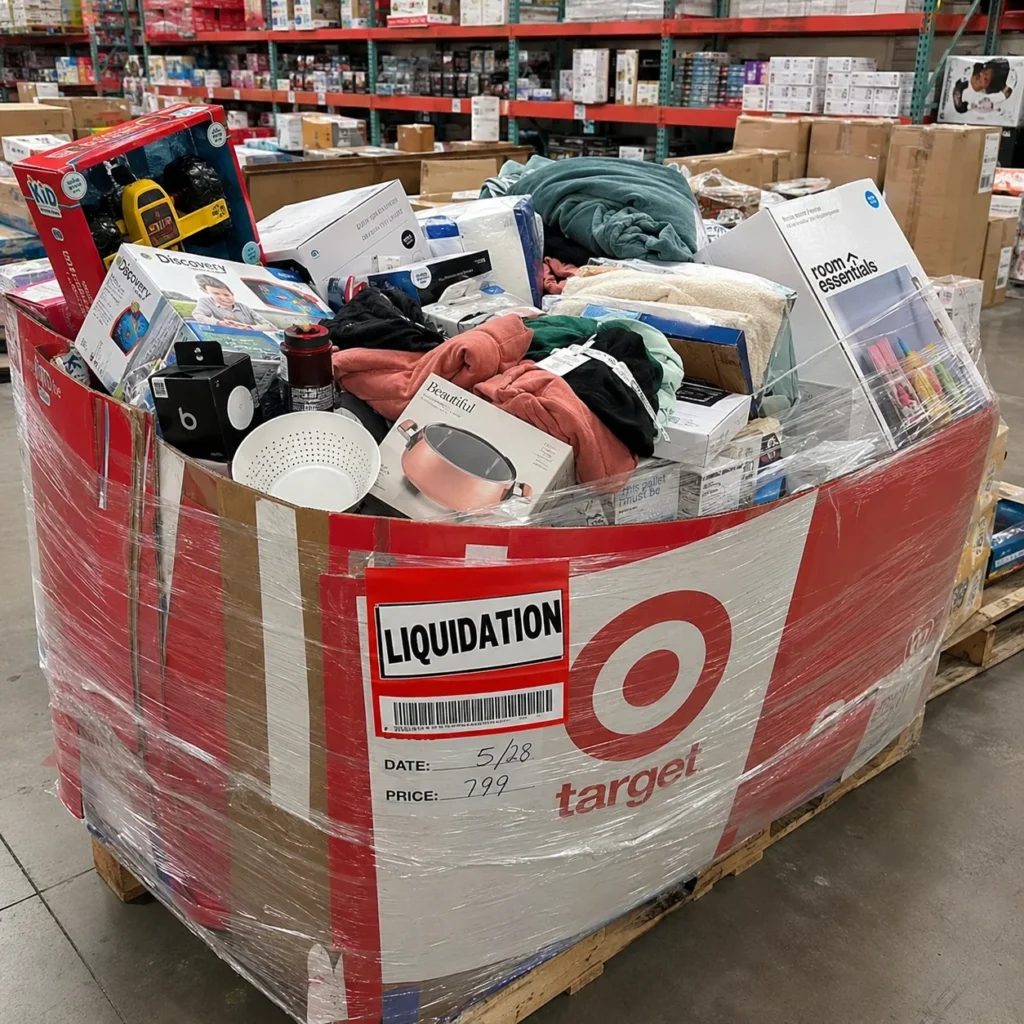
Target Liquidation Store: How to Score Big on Tool Deals You’ve been there. You need a solid power drill, a reliable pressure washer, or a full set of hand tools—but the retail price tag makes your stomach drop. Buying tools one by one at full price adds up fast, whether you’re a contractor stocking a job site, a reseller building inventory, or a DIY enthusiast who just wants good gear without the sticker shock. That’s exactly the problem a target liquidation store is built to solve. Liquidation buying has exploded in popularity across both the U.S. and UK, and for good reason. Major retailers like Target regularly cycle out overstock, returned, and excess inventory—and rather than sending it back or letting it sit in a warehouse, that merchandise is sold off in bulk at dramatically reduced prices. Tools are among the most sought-after items in this space, and savvy buyers are snapping them up faster than ever. This post breaks down how target liquidation stores work, what makes tool pallets such a smart buy, who they’re best suited for, and where you can start shopping today. By the end, you’ll know exactly how to get more tool for your money. What Is a Target Liquidation Store—and Why Do They Exist? The Supply Chain Problem Retailers Want to Quietly Solve Large retailers like Target deal with an enormous volume of returned, overstocked, and shelf-pulled merchandise every single day. Processing individual returns is expensive, and holding excess inventory ties up valuable warehouse space. The solution? Sell it off in bulk through liquidation channels. A target liquidation store—whether it’s a physical resale outlet or an online platform—purchases that excess merchandise in large lots and passes the savings on to buyers. According to the National Retail Federation, U.S. retailers process hundreds of billions of dollars in returns each year. A significant chunk of that inventory ends up in the liquidation pipeline. Tools are especially common in these lots. Power tools, outdoor equipment, pressure washers, and generators are frequently returned after single use, purchased in excess during seasonal sales, or simply rotated out of store planograms. The result is a steady stream of high-quality tool inventory available at wholesale prices—and that’s where buyers win. The Story Behind Tool Pallets and Why They Make Sense From Retailer Surplus to Ready-to-Resell Inventory Tool pallets were born out of a practical need. Businesses and individual buyers wanted access to quality tools without paying retail markups, and liquidation sellers needed an efficient way to move large quantities of inventory fast. Bundling tools onto pallets—organized by category, brand, or condition—was the natural solution. At tool-pallets.com, this concept has been refined into a straightforward buying experience. The platform sources tool pallets from liquidation and overstock channels and makes them available to contractors, resellers, small business owners, and serious DIYers across the U.S. and UK. Instead of sifting through auction sites or negotiating with distributors, buyers can browse curated pallets with known contents and transparent pricing. It’s a smarter way to buy tools in bulk—and the savings are real. 4 Key Features That Make Liquidation Tool Pallets Worth It 1. Significant Cost Savings Over Retail Pricing This is the big one. When tools are purchased through a target liquidation store or wholesale pallet supplier, the per-unit cost drops considerably compared to standard retail. A Dewalt Mixed Tool Pallet listed at $1,950 retail, for example, is available for $1,400—a saving of $550 before you’ve even resold a single item. A Loose Tool Pallet can be picked up for as little as $150, making it an accessible entry point for new buyers. For resellers, those margins matter a lot. For contractors or businesses stocking tools for their own use, those savings go straight back into the operation. 2. Brand-Name Tools You Can Actually Trust Liquidation doesn’t mean low quality. The pallets available through tool-pallets.com include tools from brands like Milwaukee, DeWalt, Ryobi, and Ridgid—names that carry genuine value in both the U.S. and UK markets. A Milwaukee Tool Returns Pallet or a Mixed Milwaukee & DeWalt Pallet gives buyers access to professional-grade tools at a fraction of what they’d cost new off the shelf. Brand-name tools are also easier to resell, since buyers recognize and trust them. That makes liquidation pallets especially attractive to anyone building a resale business. 3. Variety That Covers Real-World Needs One of the best things about tool pallets is the sheer range available. From a Gas Blowers Tool Pallet to a Ryobi Electric Pressure Washer Tool Pallet to an Outdoor Power Equipment Pallet, buyers can target specific categories that match their business or project needs. This variety also means buyers can diversify their purchases over time. A reseller might start with a mixed pallet to test the market, then move into more specialized lots as they learn what sells best in their area. 4. Wholesale Pricing for Bulk Buyers Businesses that need to stock tools at scale benefit from wholesale pricing structures. Tool-pallets.com offers wholesale tool pallets designed specifically for businesses looking to purchase in volume. Engineers, electricians, field service teams, and trade businesses can all benefit from this approach—getting the tools they need without paying retail prices across dozens of individual purchases. Buying locally also cuts down on shipping costs, which is a practical consideration for larger, heavier pallet orders. Who Is a Target Liquidation Store Perfect For? Not everyone shops liquidation for the same reason. Here’s who tends to get the most value from tool pallets and liquidation buying: According to Statista, the global resale market has been growing steadily year over year, driven in part by buyers sourcing liquidation inventory. Tool liquidation, in particular, remains a strong category because demand for reliable tools is consistent across seasons and economic conditions. Frequently Asked Questions About Target Liquidation Stores What condition are the tools in when bought from a liquidation pallet? Conditions vary by pallet. Tools sourced from overstock are typically new or like-new, while returns pallets may include items in various states—some unused, some tested, and
Professional Hand Tools
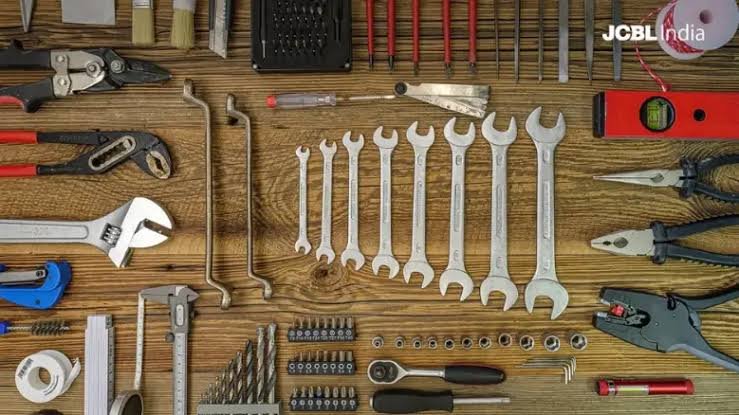
Professional Hand Tools: What Every Tradesperson Actually Needs Professional hand tools are the backbone of any skilled trade—from plumbing and electrical work to carpentry and construction. The right set saves time, reduces errors, and holds up under daily use. This guide covers what makes a hand tool truly “professional,” which types are worth investing in, and how to source quality tools without overspending. You’ve been there. Halfway through a job, your cheap wrench slips. The grip gives out, your knuckles meet metal, and suddenly the whole project grinds to a halt. It’s frustrating, it’s costly, and honestly—it’s avoidable. The difference between a smooth job and a painful one often comes down to the quality of professional hand tools in your kit. Professional hand tools are not just the upgraded version of the ones hanging in your garage. They’re engineered for repeated, demanding use. They’re built to fit human hands properly, transfer force efficiently, and last through years of hard work. Whether you’re a contractor, electrician, plumber, or serious DIY enthusiast, the right tools change everything. This guide breaks down why professional hand tools matter so much, what features actually make a difference, who benefits most from investing in them, and how to build out your collection without draining your budget. Why Professional Hand Tools Keep Letting People Down (And What to Do About It) Here’s the uncomfortable truth: most tool frustrations are not user error. They’re the result of using consumer-grade tools on professional-grade jobs. Consumer tools are built to a price point. The steel is softer, the tolerances are looser, and the grips are designed to look good on a shelf rather than perform under pressure. According to the U.S. Bureau of Labor Statistics, construction and extraction occupations employ over 8 million workers in the United States alone. That’s a massive workforce relying daily on tools that, in many cases, are simply not up to the task. Professional hand tools solve this by prioritizing performance over aesthetics. Hardened steel blades hold their edge longer. Ergonomic handles reduce fatigue during extended use. Precision tolerances mean less slipping, stripping, and wasted effort. The job gets done faster, safer, and with less frustration. The Story Behind Professional-Grade Tools—Why They Were Built This Way Professional hand tools did not always look the way they do now. Early tradespeople used whatever materials were available—rough iron, untreated wood, basic leather wrapping. Over centuries, as trades became more specialized and demanding, tools evolved alongside them. The modern professional hand tool is the result of decades of feedback from real workers in real conditions. Manufacturers like Stanley, Klein Tools, and Wera have invested heavily in understanding how grip angle affects wrist strain, how steel hardness affects edge retention, and how handle diameter affects torque. Every curve and measurement in a quality professional tool is intentional. This evolution continues today. Ergonomic research has reshaped handle design. New steel alloys have extended tool life dramatically. And the rise of wholesale and liquidation purchasing has made professional-grade tools more accessible than ever—even for smaller businesses and independent contractors who previously could not justify the cost. 4 Features That Make Professional Hand Tools Worth Every Penny 1. High-Quality Steel That Actually Stays Sharp The steel used in professional hand tools is not the same as what you’ll find in budget sets. Professional-grade tools are typically made from chrome vanadium or S2 alloy steel, both of which are significantly harder and more resistant to wear than standard carbon steel. What does this mean in practice? A professional chisel holds its edge through hundreds of cuts. A professional screwdriver tip does not round off after a few dozen fasteners. You spend less time stopping to replace or sharpen tools, and more time working. That directly impacts how many jobs you can complete in a day—and ultimately, how much you earn. 2. Ergonomic Grips That Reduce Fatigue This one gets overlooked constantly, but it’s critically important. Hand fatigue is a genuine occupational hazard for tradespeople. Repetitive gripping motions, combined with poor handle design, can lead to conditions like carpal tunnel syndrome and tendinitis over time. Professional hand tools are designed with ergonomics baked in. Handles are shaped to align naturally with the wrist. Grip materials—often rubberized or bi-material—absorb vibration and improve control. For workers spending eight-plus hours a day with tools in hand, this is not a luxury. It’s essential. 3. Precision Manufacturing for a Proper Fit There is a measurable difference between a wrench that fits snugly on a nut and one that fits loosely. Loose fit means slippage. Slippage means rounded fasteners, wasted time, and potential injury. Professional hand tools are manufactured to tight tolerances, meaning the fit is consistent and reliable every single time. This precision extends to every category—from the jaw width of pliers to the blade geometry of saws. When tools fit and function as designed, the quality of the finished work improves noticeably. Clients notice. Repeat business follows. 4. Durability That Survives Real Job Sites Job sites are rough. Tools get dropped, kicked, rained on, and buried under debris. Professional hand tools are built to handle this. Protective coatings resist corrosion. Reinforced stress points prevent snapping under torque. Even the finishing on professional tools—often a satin or black oxide coating—is chosen to minimize glare and resist rust, not just to look good. This durability translates directly to long-term cost savings. A professional-grade hammer bought today may still be in daily use a decade from now. The same cannot be said for its budget counterpart. Who Benefits Most from Investing in Professional Hand Tools? Contractors and Construction Workers If tools are your livelihood, cutting corners on them costs you more in the long run. Downtime from broken or underperforming tools is lost revenue. Professional hand tools minimize that downtime significantly. Electricians and Plumbers Precision matters enormously in these trades. A poorly fitting tool can damage fittings, strip threads, or compromise electrical connections. Professional-grade hand tools—particularly pliers, cutters, and wrenches—are engineered to perform exactly as needed, every time. Small