
Manifest vs. Blind Liquidation: Which Sourcing Strategy Is Right for You?
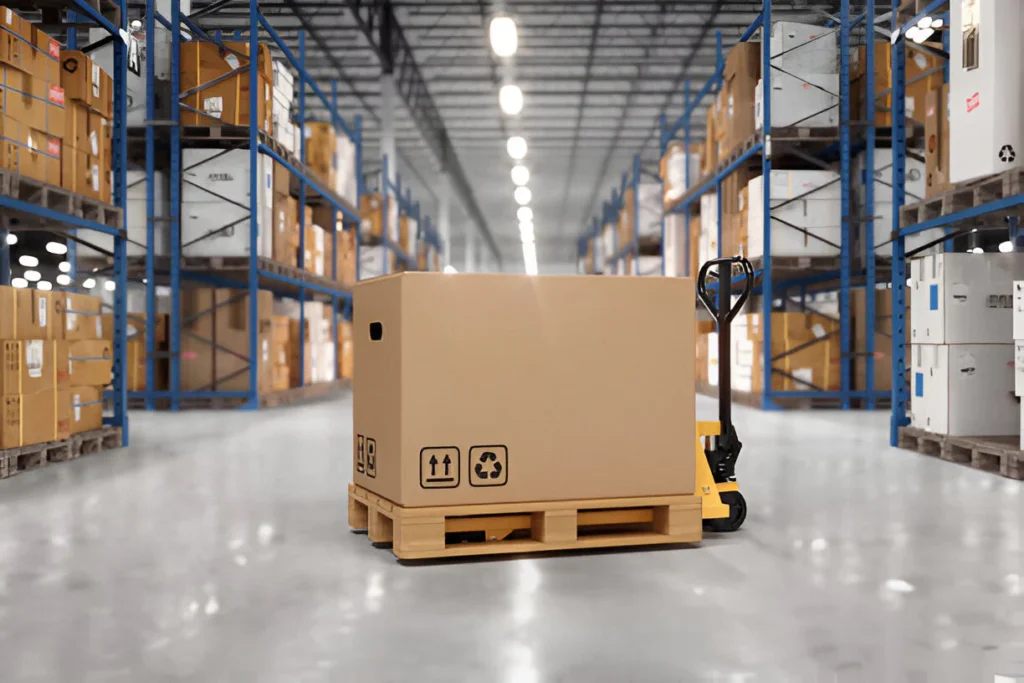
Manifest vs Blind Liquidation Pallets: What’s the Difference? Manifest liquidation pallets come with a detailed inventory list, while blind liquidation pallets do not. This single distinction shapes your risk exposure, upfront cost, profit potential, and how much time you’ll spend sorting inventory—making it one of the most consequential decisions a reseller will face. When buying liquidation tool pallets—especially from major retailers like Home Depot—buyers typically encounter these two main options. Understanding the difference between manifest and blind liquidation can significantly impact your profit margins, risk tolerance, and overall resale strategy. Here’s a clear breakdown of both methods so you can make smarter sourcing decisions. What Is Manifest Liquidation? Manifest liquidation means the buyer receives a detailed inventory list—called a manifest—before purchasing the pallet. This document typically includes product names, quantities, retail prices (MSRP), and sometimes condition notes. Manifest pallets offer transparency and predictability, making them a preferred starting point for new resellers or those managing category-specific inventory such as Home Depot tool pallets or brand-specific lots like Manifested Milwaukee Pallets. Key Benefits of Manifest Liquidation Transparency: Buyers know exactly what they’re purchasing—no guesswork involved. Better Profit Planning: Calculate potential ROI using the listed MSRP and estimated resale values before committing. Targeted Sourcing: Ideal for resellers who specialize in specific categories like power tools, plumbing supplies, or home improvement items. Things to Consider Higher Cost: Because manifest pallets carry reduced risk, they are typically priced higher than blind alternatives. Competition: Popular, high-value manifests are often acquired quickly by experienced resellers. Best for: Beginners, cautious buyers, and anyone focused on consistent, predictable returns. What Is Blind Liquidation? Blind liquidation—also called unmanifested or mystery pallets—means buyers purchase inventory without a detailed list of its contents. Buyers may receive a general product category (e.g., tools or appliances), but no item-level specifics. Blind pallets are better suited for experienced resellers who have efficient sorting and testing systems already in place. For example, buyers comfortable evaluating loose tool pallets or mixed outdoor tool pallets tend to perform well with this approach. Key Benefits of Blind Liquidation Lower Purchase Price: Higher risk is typically offset by a lower upfront cost and potentially higher margins. Hidden Gems: High-value items not reflected in the pallet price can significantly boost ROI. Less Competition: Fewer buyers are willing to take on the uncertainty, which means less competition at the point of purchase. Risks Involved Uncertainty: Buyers could receive low-demand, damaged, or unsellable goods. Time Investment: Sorting, testing, and evaluating items takes considerably longer than with manifest pallets. Inconsistent Returns: Profitability varies from pallet to pallet, making revenue forecasting difficult. Best for: Experienced resellers who are comfortable with risk and have established systems for handling mixed or unknown inventory. Manifest vs Blind Liquidation Pallets: Side-by-Side Comparison Feature Manifest Liquidation Blind Liquidation Inventory Visibility Full list provided No detailed list Risk Level Low to moderate High Cost Higher upfront Lower upfront Profit Potential Predictable Potentially higher Time Required Minimal sorting Extensive sorting/testing Which Liquidation Method Should You Choose? The right choice between manifest and blind liquidation depends on your experience level, budget, and operational capacity—not just your risk appetite. Manifest liquidation is better suited for beginners, resellers managing tight budgets, or anyone who needs reliable, consistent inventory flow. Blind liquidation works best when the buyer has experience evaluating unknown inventory, a system for processing mixed lots efficiently, and an appetite for higher risk in exchange for higher potential reward. Many successful resellers apply a hybrid strategy—purchasing manifest pallets for steady, predictable income while occasionally investing in blind pallets for high-risk, high-reward opportunities. According to B-Stock, one of the largest B2B liquidation marketplaces, diversifying sourcing strategies is a common trait among top-performing resellers. What to Look for When Buying Liquidation Pallets Regardless of which method you choose—manifest or blind—always evaluate the following before purchasing: Shipping Costs: Factor freight into your total cost of goods to accurately estimate margins. Item Condition: Understand whether goods are customer returns, overstock, or shelf pulls, as condition directly impacts resale value. Local Market Demand: Research what sells well in your area or on your primary resale platform (e.g., eBay, Facebook Marketplace, or local auctions). Pallet Category: Specialized pallets—such as wholesale tool pallets or generator pallets—often yield stronger margins than general merchandise lots. For a broader overview of how major retailers manage excess inventory, Investopedia’s guide to liquidation provides a reliable reference. Resellers looking to benchmark pricing and sourcing strategies can also consult Direct Liquidation, a platform that publishes category-level pricing data across retail return lots. Frequently Asked Questions About Manifest vs Blind Liquidation Pallets Q: Is manifest liquidation always more expensive than blind liquidation?Generally, yes. Manifest pallets carry a premium because buyers assume less risk. However, the price gap varies by category and supplier. High-demand categories like branded power tools—such as DeWalt mix tool pallets or Milwaukee tool pallets—can command significantly higher manifest prices compared to general merchandise. Q: Can I request a manifest for a blind pallet after purchasing?No. By definition, blind pallets do not come with an inventory manifest. The absence of a list is a core feature—and risk—of blind liquidation. If a supplier offers post-purchase manifests, the listing should be re-classified as a manifest pallet. Q: Where can I find trusted liquidation pallets for resale?Reputable sources include direct liquidation platforms, retail-specific auction sites, and specialty suppliers. Tool-pallets.com offers a curated range of tool liquidation pallets across both manifested and unmanifested categories—including Ridgid tool pallets, Milwaukee overstock pallets, and mixed Milwaukee & DeWalt pallets—making it a practical starting point for resellers at any experience level. Q: What is the difference between a blind pallet and a mystery pallet?Blind pallets and mystery pallets are the same thing. Both terms refer to liquidation inventory sold without an itemized manifest. The terminology varies by supplier and platform, but the core characteristic—no pre-purchase inventory list—remains consistent across both descriptions. Q: Are blind liquidation pallets worth it for beginners?Blind pallets carry a higher risk of receiving unsellable or low-demand goods, which makes them a poor fit for most beginners. New resellers
Where Are Milwaukee Tools Made?
Where are milwaukee tools made? Milwaukee Tools are manufactured globally across the United States, China, Germany, Mexico, and Vietnam. While many power tools are produced overseas, Milwaukee Tool has significantly expanded its U.S. manufacturing footprint—particularly in Mississippi and Wisconsin—with ongoing investments in domestic production and job creation. If you’ve ever flipped a Milwaukee Tool over and squinted at the fine print, you’ve probably noticed it doesn’t always say what you’d expect. For a brand with “Milwaukee” right there in the name, the question of where Milwaukee tools are made is surprisingly layered. For contractors, resellers, hardware store owners, and liquidation buyers, it’s not just a curiosity—it directly shapes purchasing decisions. This guide breaks down everything you need to know: where Milwaukee tools are actually manufactured, how that footprint has shifted over the decades, what the “Made in USA” label really means on their products, and why any of this matters when you’re buying in bulk or stocking shelves.A Brief History of Milwaukee Tool Manufacturing Milwaukee Tool was founded in 1924 in Milwaukee, Wisconsin—hence the name. For most of its early history, the brand manufactured its products domestically. It built its reputation on heavy-duty power tools that tradespeople could rely on through a full workday, and for decades, that reputation was synonymous with American manufacturing. The shift came gradually. As global supply chains matured and manufacturing costs in Asia dropped significantly, Milwaukee Tool—like most major tool brands—began moving portions of its production overseas. The company was acquired by Techtronic Industries (TTI), a Hong Kong-based conglomerate, in 2005. TTI also owns other major tool brands, including Ryobi and AEG, and has extensive manufacturing infrastructure across Asia. That acquisition marked a turning point. TTI brought significant investment and R&D capability to the Milwaukee brand, accelerating product innovation—particularly in cordless tool technology. But it also meant that the “where are Milwaukee tools made” question became considerably more complex to answer.Where Are Milwaukee Tools Made Today? According to Milwaukee Tool’s own press materials, Milwaukee tools are currently manufactured in five countries: United States China Germany Mexico Vietnam No single country handles all production. Instead, manufacturing is segmented by product category, with different facilities specializing in different types of tools and accessories. Milwaukee Tools Made in the United States Milwaukee Tool has made a significant and very public push to expand U.S. manufacturing over the past several years. The brand now operates multiple facilities across Mississippi and Wisconsin, with more planned. Mississippi operations represent the largest concentration of Milwaukee Tool’s U.S. manufacturing presence. Key facilities include: Grenada County – Milwaukee Tool’s newest and largest U.S. manufacturing plant. The Grenada facility produces Milwaukee’s line of accessories, including the iconic SAWZALL® Blades, with plans to expand into additional product categories. The plant employs more than 800 people, making it a major economic driver for the region. Greenwood, Jackson, and Olive Branch – Additional manufacturing, distribution, and operations facilities spread across the state. These locations are expected to see further growth, creating an estimated 660 new jobs over a four-year period. Wisconsin operations are centered on the brand’s roots. In West Bend, Wisconsin, Milwaukee Tool opened a 95,000-square-foot manufacturing facility that produces hand tools specifically for the electrical, power utility, plumbing, and mechanical trades. The West Bend plant is the first development in the City of West Bend’s 216-acre West Bend Manufacturing Center. Milwaukee Tool also engineers and builds motors at its West Bend facility, using maximum copper content and top-grade rare earth magnets. Milwaukee Tool’s headquarters remain in Brookfield, Wisconsin. Milwaukee Tools Made Outside the United States The bulk of Milwaukee Tools cordless power tools—including many popular M12 and M18 platform tools—are manufactured in China and Vietnam. Some users have noted that identical product lines can come from different countries depending on the production run. For example, members of online tool communities have reported receiving an M12 drill made in Mexico and an M12 polisher made in a different country, both ordered separately. Germany handles some specialized production, while Mexico serves as a manufacturing hub for select product lines. This global approach allows Milwaukee Tool to manage costs, maintain production volume, and stay competitive in a market where rivals like DeWalt, Makita, and Bosch use similar international manufacturing strategies.What Does “Made in USA” Actually Mean on Milwaukee Tools? Milwaukee Tool’s “Made in USA” labeling falls into two distinct categories, each regulated by the Federal Trade Commission (FTC): “Made in USA” – This means the product is substantially manufactured in the United States, meeting the FTC’s standard that “all or virtually all” of the product’s components and processing are domestic. “Made in USA with Global Materials” – A qualified claim meaning the tool was manufactured or assembled in the U.S., but some components or raw materials originated overseas. According to Milwaukee Tool’s careers page, their West Bend, Wisconsin facility focuses specifically on “Made in the USA” hand tools for the trades. Products like Milwaukee’s pliers and screwdrivers carry this designation. The “Made in USA with Global Materials” label is more common on power tools and accessories. It is a legitimate, FTC-regulated claim—not a marketing shortcut—but it does mean the product isn’t entirely domestic in origin. For resellers and commercial buyers, this distinction matters. Customers who specifically seek “Made in USA” tools will look for that clear label. Stocking products from Milwaukee’s U.S.-manufactured lines—particularly hand tools from West Bend and accessories from Grenada—can serve as a genuine selling point and marketing advantage.Does Manufacturing Location Affect Milwaukee Tool Quality? Manufacturing location does not meaningfully affect Milwaukee Tool quality. Milwaukee Tool maintains consistent quality control standards across its global manufacturing network. TTI, Milwaukee’s parent company, has invested heavily in manufacturing processes and technology regardless of geography. The brand’s cordless tools—most of which are made in China or Vietnam—consistently earn top marks in professional reviews and have a loyal following among tradespeople who use them daily. That said, perceptions around manufacturing origin do influence buying decisions. Here is a practical breakdown: Quality Consistency Across Markets Milwaukee Tool’s global facilities are held to
Milwaukee Sale
A Milwaukee sale in the liquidation market means buying Milwaukee power tools, hand tools, and accessories in bulk — typically at 40% to 70% below retail. These pallets are sourced from overstock, customer returns, and surplus inventory, making them one of the most cost-effective ways for resellers, contractors, and store owners to stock up on high-demand tools. Milwaukee tools have earned a reputation for toughness, power, and reliability, which is exactly why they sell fast and rarely sit on clearance shelves for long. Skipping the big-box clearance rack and going straight to bulk liquidation pallets is the smarter path to maximizing purchasing power. If you’re a reseller, contractor, hardware store owner, or someone who flips tools for profit, this guide covers everything: how a Milwaukee sale works in the liquidation world, where to find the best deals, what to watch out for, and how to turn a single pallet purchase into repeatable profit. What Does a “Milwaukee Sale” Really Mean in the Liquidation Market? A Milwaukee sale, in the liquidation context, means purchasing a pallet packed with Milwaukee power tools, hand tools, accessories, and sometimes mixed-brand items at wholesale prices — often 40% to 70% below retail. These pallets originate from overstock, customer returns, shelf-pulls, and surplus inventory that retailers need to clear quickly. When most people hear “Milwaukee sale,” they picture a quick markdown at a big-box store. The real value sits somewhere else entirely — in the world of liquidation and wholesale pallets. Buyers aren’t paying full retail. They’re paying wholesale. Why Milwaukee Tools Are Worth Chasing Milwaukee isn’t just another tool brand. It’s one of the most trusted names among professionals and serious DIYers. Here’s why Milwaukee tools move quickly on the secondary market: Strong resale value: Milwaukee’s M18 and M12 lines hold their value well, even when sold as pre-owned or refurbished units. High demand: Contractors and tradespeople ask for Milwaukee by name — demand stays consistent year-round. Durability: These tools survive job-site abuse, which keeps buyers loyal and willing to pay a premium. Brand loyalty: Once someone buys into the Milwaukee battery ecosystem, they keep purchasing compatible tools and accessories. That combination makes Milwaukee tools one of the safest bets for resellers and liquidation buyers. Who Benefits Most from a Milwaukee Sale on Pallets? Bulk Milwaukee deals aren’t just for one type of buyer. Different buyers extract value in different ways: Resellers and Liquidation Buyers Resellers who flip tools on eBay, Amazon, Facebook Marketplace, or at local swap meets will find Milwaukee pallets particularly profitable. Selling tools individually typically returns two to three times the per-unit cost paid at liquidation prices. Hardware Store Owners Stocking shelves with Milwaukee products at wholesale prices improves margins significantly. Competitive retail pricing becomes much easier when the cost basis is 40–70% below MSRP. Construction Companies and Contractors Buying tools in bulk keeps crews equipped without draining operating budgets. When a drill fails on-site, having backup units on hand prevents costly downtime. Online Sellers Mixed pallets provide variety, helping sellers reach more buyers across different listings and categories simultaneously. Auction and Warehouse Buyers For liquidation businesses that move volume, pallets allow rapid scaling. Milwaukee tools reliably sell through, making volume-based revenue easier to forecast. How to Find the Best Milwaukee Sale Deals on Bulk Pallets Finding a legitimate Milwaukee sale deal requires due diligence. Not every pallet is created equal, and not every seller is trustworthy. Here’s how to track down the best bulk Milwaukee deals. Buy From a Trusted Supplier This is the single most important step. A reliable supplier provides accurate descriptions, fair pricing, and consistent quality. Tool Pallets offers Milwaukee and mixed-brand pallets sourced from surplus and liquidation inventory — packed and ready to ship. Their selection includes options like the Mixed Milwaukee & DeWalt Pallet and dedicated Milwaukee Tool Pallets, giving buyers flexibility depending on budget and resale goals. For broader context on how liquidation supply chains work, the National Association of Resale Professionals (NARTS) offers useful resources on sourcing and reseller best practices. The Secondary Materials and Recycled Textiles Association (SMART) also publishes guidance relevant to liquidation and surplus goods businesses. Compare Pallet Types Pallets generally fall into a few categories. The right choice depends on risk tolerance and what customers want: Pallet Type Best For Risk Level Brand-specific (Milwaukee only) Focused, consistent inventory Low–Medium Mixed-brand (Milwaukee, DeWalt, Makita) Variety and broader appeal Medium Mystery box Experienced buyers seeking lower upfront cost High Milwaukee-only pallets are better suited for resellers who already have an established customer base seeking that brand specifically. Mixed-brand pallets work best for sellers who want to diversify listings and attract a wider audience across multiple platforms. Check the Manifest A manifest is a detailed list of what’s inside the pallet. Manifested pallets cost more, but the contents are clearly disclosed upfront. Unmanifested pallets are cheaper but come with more uncertainty. For first-time buyers, a manifested Milwaukee pallet is the safer, lower-risk entry point. Read Reviews and Ratings Always check customer feedback before purchasing. Look for sellers with consistent positive reviews about product condition, packaging, and shipping speed. What to Expect Inside a Milwaukee Tool Pallet While contents vary by source, here’s what buyers typically find in a Milwaukee-focused or mixed pallet: Cordless drills and impact drivers M18 and M12 batteries and chargers Circular saws and reciprocating saws Hand tools: wrenches, pliers, and screwdrivers Measuring tools and tape measures Work lights and accessories Occasionally, larger items like blowers or grinders Returns pallets may include items that need minor cleaning or testing. Shelf-pull pallets often contain near-new condition tools. Milwaukee tool returns pallets are clearly labeled as untested, while Milwaukee overstock pallets typically contain unused surplus inventory.Smart Tips to Maximize Your Profit from a Milwaukee Sale Buying the pallet is only half the equation. What happens next determines the actual return. Test Everything Before Reselling Always inspect and test each tool. A quick test now prevents refunds and negative reviews later. Customers trust sellers who guarantee working products. Bundle and Separate Strategically
Milwaukee Tool Deals
How to Score the Best Milwaukee Tool Deals Every Year . Milwaukee tools are among the best power tools on the market—tough, reliable, and built to last. A single M18 combo kit can run several hundred dollars, and that’s before you factor in batteries, chargers, or a PACKOUT storage system. The good news: you almost never have to pay full retail price if you know when and where to look.Whether you’re a professional contractor stocking your truck or a weekend DIYer building out a home workshop, understanding Milwaukee’s sales calendar can save you serious money. Some shoppers have walked out of Home Depot with hundreds of dollars in tools for a fraction of the sticker price—not through luck, but through a handful of repeatable strategies. This guide covers everything you need to know to find the best Milwaukee tool deals: the famous “Home Depot hack,” the best times of year to buy, the retailers worth watching, and the smart habits that’ll keep more money in your pocket. Looking to buy Milwaukee tools in bulk? Tool-pallets.com sells Milwaukee tool pallets—including overstock and liquidation lots—at wholesale prices. It’s a strong option for contractors or resellers stocking up on M18 gear. When Is the Best Time to Buy Milwaukee Tools? The best times to buy Milwaukee tools are Black Friday/Cyber Monday (late November), Father’s Day in June, and late August clearance windows. Milwaukee and its major retail partners run promotions throughout the year, but a few windows consistently deliver the deepest discounts. Black Friday and Cyber Monday If you can wait until late November, you’ll be rewarded. Black Friday and Cyber Monday are among the most reliable times to find Milwaukee tools on sale. During the 2024 holiday season, some Milwaukee battery packs were discounted by $80. Retailers also tend to bundle free batteries or accessories with tool purchases during this period—which stacks well with the other savings strategies covered below. Father’s Day and June “Tool Month” Promotions June is something of an unofficial tool season. Father’s Day is a particularly strong time to find power tool bargains from Milwaukee and other brands. Many retailers run promotions throughout the month—some stores even label June as “Tool Month”—with multi-day Milwaukee sale events featuring bundled deals and price cuts. Late Summer Clearance Don’t overlook August. According to deal-hunting communities, late summer is a strong window to buy. Stores like Home Depot stock up heavily for the busy summer project season, then begin clearing inventory in August to make room for fall stock. These deals are highly variable and often depend on what your local store has on its shelves, so it pays to check in person. Buy More, Save More Events Throughout the year, Home Depot and other retailers run “Buy More, Save More” (BMSM) promotions on Milwaukee products. These tiered deals reward bulk purchases. For example, some Milwaukee outdoor power equipment sales offer 25% off when you buy four select tools and 30% off when you buy five. If you’ve been planning to expand your collection anyway, timing those purchases around a BMSM event can lead to significant savings. What Is the Home Depot Hack for Milwaukee Tools? The “Home Depot hack” is a legitimate use of Home Depot’s return policy that lets buyers keep the item they want from a bundle at a prorated price—effectively paying less than the standard retail price for that item. You’ve probably seen people online claiming they got a Milwaukee drill and impact driver set for half price. The method they’re using is often called the “Home Depot hack”—and despite the name, it isn’t a trick at all. It’s a straightforward application of how Home Depot handles returns on promotional bundles. How It Works Many Milwaukee deals at Home Depot are structured as “buy this tool, get a free battery” or “free tool with purchase” promotions. Here’s how the proration works: when you buy the bundle, Home Depot doesn’t treat the bonus item as having zero value—it spreads the discount proportionally across both items. Here’s a simplified example. Imagine you buy an oscillating multi-tool kit that comes with a free battery, and the total is $169. Home Depot might value the kit at $99.17 and the battery at $69.83—together, $169. If you return the battery, you receive $69.83 back, leaving you with the multi-tool kit for just $99.17. Why It’s Not Really a “Hack” As tool experts have pointed out, this is simply a feature of Home Depot’s return policy and how it handles “free with purchase” gifts. The store assigns a prorated value to bonus items, and that prorated value is refunded if you return them. You’re not exploiting anything—you’re just understanding the math better than the average shopper. Key Things to Keep in Mind Order online to see itemized pricing. Many savvy shoppers buy online so they can view the prorated value of each item before deciding what to return. This removes the guesswork. Not every deal is “hackable.” This only works when the discount structure allows you to return one or more line items at the discounted price. Some promotions are structured differently. Results vary by store and time. Return policies and how individual stores apply them can change, so what worked last month may not work identically for you. Be reasonable. Returning items you genuinely don’t need is fair game. Abusing the system isn’t a sustainable long-term strategy. Where to Shop for the Best Milwaukee Tool Deals The best prices on Milwaukee tools are typically found at Home Depot, Lowe’s, Amazon, and specialty tool retailers like Acme Tools—with deal-tracking sites helping you compare
Milwaukee Deals
Milwaukee Deals: How Resellers, Contractors, and Bulk Buyers Can Find Better Value Searching for Milwaukee deals means more than hunting for a lower price tag. For hardware store owners, liquidation buyers, contractors, warehouse businesses, and online sellers, the right Milwaukee deal protects margins, moves fast, and fits the market being served. This guide breaks down what makes a Milwaukee deal genuinely valuable, who benefits most, what types of inventory to look for, and how to avoid common buying mistakes. Why Milwaukee Deals Attract Serious Business Buyers Milwaukee is one of the most recognized names in professional tools. According to Milwaukee Tool’s official product catalog, the brand’s lineup spans power tools, hand tools, storage systems, lighting, and jobsite equipment — a wide ecosystem that drives sustained demand across both professional and resale markets. When strong brand recognition meets the opportunity to buy at better-than-retail pricing, that creates a real business opportunity. For some buyers, that means sourcing pallets for resale. For others, it means stocking a store, replacing crew equipment, or building profitable online listings. What Makes a Milwaukee Deal Worth More Than a Simple Discount? A good Milwaukee deal is one where the value holds after the purchase — not just at the point of sale. Experienced buyers ask practical questions before committing: Is the inventory in usable, sellable condition? Is the brand already in demand with the target customer? Will the items sell quickly and at a healthy margin? What are the realistic shipping and storage costs? Does the lot match the buyer’s sales channel and customer profile? The strongest Milwaukee deals answer those questions clearly. How Brand Demand Reduces Selling Friction One reason Milwaukee products perform well in pallet lots, closeout channels, and liquidation markets is that the brand already carries market pull. Buyers recognize Milwaukee batteries, chargers, storage systems, and cordless tools without needing much convincing. That familiarity shortens the sales process and reduces the effort required to move inventory — a significant advantage for resellers, auction buyers, and hardware retailers alike. Who Benefits Most from Milwaukee Deals? Milwaukee deals attract several distinct buyer types, each with different priorities and use cases. Resellers and Liquidation Buyers For resellers, branded tools outperform unknown alternatives because customers already understand the value. Milwaukee inventory typically offers: Higher buyer trust and lower purchase hesitation Stronger search demand on platforms like eBay and Amazon Easier listing creation with recognized product names Better performance in auction settings Useful bundle and combo opportunities Liquidation buyers can also integrate Milwaukee inventory into mixed pallets, contractor lots, and warehouse liquidation channels. Options such as Milwaukee tool returns pallets and Milwaukee overstock pallets from tool-pallets.com offer entry points across multiple price tiers and condition grades. Hardware Store Owners For hardware retailers, Milwaukee deals can help stock recognized products at more competitive acquisition costs. That supports: More attractive shelf pricing Improved retail margins on high-demand categories Stronger in-store displays with a trusted brand Cross-sell opportunities across accessories, storage, and batteries Better service for professional and trade customers When a store carries products buyers already know and trust, the path to purchase is shorter and repeat business becomes more likely. Construction Companies and Contractors Contractors prioritize reliability alongside value. A cheap tool that fails on the job generates more cost than it saves. For professional users, well-priced Milwaukee deals can support: Crew tool replacement without disrupting platform consistency Expansion for new teams or job sites Backup tool purchases that maintain uptime Jobsite standardization across battery platforms Reduced downtime from tool failure or gaps in equipment In larger operations, smart procurement decisions compound over time. According to industry research from the Associated General Contractors of America, tool and equipment management is consistently ranked among the top controllable cost drivers for mid-size construction firms. Online Sellers, Warehouse Businesses, and Auction Buyers These buyers focus on inventory turnover. Milwaukee’s brand presence makes its products especially easy to list, price, and move. Benefits for online and auction channels include: Strong click-through appeal in search results Easier pricing research using existing sold listings Higher buyer confidence from brand recognition Better bundle potential with accessories and storage Consistent demand across multiple resale platforms Types of Milwaukee Deals Buyers Should Watch Not all Milwaukee deals serve the same buyer. Understanding the different categories helps you evaluate inventory more accurately. Retail Promotions and Seasonal Offers Retail promotions are the most visible deal type. They typically include: Tool-plus-battery bundles Combo kit discounts Holiday sales and contractor event pricing Limited-time markdowns Buy-more-save-more offers These work well for contractors and smaller retailers when the included items align with current demand. Closeout and Overstock Inventory Closeouts and overstock lots are especially attractive for resellers and liquidation buyers. These deals occur when retailers need to clear shelf space, reduce excess stock, or shift seasonal inventory. Benefits include: Lower per-unit acquisition cost Branded inventory with established resale demand Mixed product opportunities across categories Better margin room compared to standard retail buying Before committing, buyers should verify condition, packaging completeness, and item accuracy. Milwaukee overstock pallets represent one reliable channel for this type of inventory. Shelf Pulls and Customer Returns Shelf pulls and customer returns can offer strong entry pricing but carry more variability. Some units are like-new; others show wear, missing accessories, or packaging damage. These deals typically suit: Discount retailers comfortable with mixed condition Auction buyers experienced with condition grading Online sellers who can accurately represent item condition Warehouse liquidation businesses with inspection capacity The key variable is labor: how much time and effort is needed to inspect, sort, test, and present the items? Milwaukee tool returns pallets from tool-pallets.com are clearly disclosed as untested returns, allowing buyers to price in that risk from the start. Tool Pallets and Mixed Lots For larger buyers, tool pallets remain one of the most effective ways to source Milwaukee deals at volume. A single pallet may include power tools, hand tools, accessories, chargers, and related jobsite products. Benefits include: Lower cost-per-unit across a larger inventory spread Bundling and mix-and-match resale opportunities Stronger total
Black Milwaukee Tools
Black Milwaukee Tools: Why They Are in High Demand for Resellers, Contractors, and Bulk Buyer Black Milwaukee tools are high-demand inventory for resellers, contractors, hardware store owners, and liquidation buyers because they combine Milwaukee’s professional-grade reputation with a premium black finish that performs strongly across retail, online, and auction channels. For business buyers, that combination delivers faster inventory turnover, stronger perceived value, and consistent demand from multiple buyer groups simultaneously. If you are evaluating black Milwaukee tools as a business investment, the appeal goes well beyond color. You are looking at resale velocity, buyer confidence, brand trust, and the kind of inventory that competes well in a crowded market. A product needs to do more than look good—it needs to sell, perform, and generate a return. Black Milwaukee tools satisfy all three criteria. Milwaukee’s ecosystem spans dozens of product categories, from cordless power tools and hand tools to storage systems and jobsite accessories. According to Milwaukee Tool’s official product lineup, that breadth is one reason demand stays consistently strong across both trade and resale channels. Why Do Black Milwaukee Tools Stand Out in the Market? Black Milwaukee tools stand out because they pair a premium visual finish with professional-grade performance that Milwaukee has built its reputation on. That dual advantage matters in both trade use and commercial resale. The black finish gives these tools a cleaner, sharper, and more modern appearance. In a market where competing products often look similar on a shelf or in a search result, that visual difference can accelerate inventory movement. But the finish alone does not explain the demand. The deeper driver is what the finish represents: a differentiated version of a brand that trade professionals already know and trust. They Look Premium Across Multiple Sales Channels The black finish creates a practical advantage in settings where first impressions drive purchasing decisions: Online marketplaces and eCommerce storefronts Auction platforms and liquidation listings Retail floor displays and contractor supply channels Wholesale and pallet lot offerings A product that photographs well and reads as premium often supports stronger pricing—because buyers associate a polished appearance with higher quality. That perception directly affects how quickly inventory moves and at what margin. Brand Recognition Reduces Buying Friction Milwaukee is not an unknown label. Most professional buyers have already encountered the brand through batteries, chargers, storage systems, or power tools used on the jobsite. That familiarity lowers the barrier to purchase. A buyer who already trusts Milwaukee is faster to commit—whether acquiring a single unit for the job site or sourcing a full pallet for resale. For resellers and hardware store owners, this translates into less time spent educating customers and more time closing sales. Demand Comes From Multiple Buyer Groups at Once One of the strongest commercial arguments for black Milwaukee tools as inventory is the breadth of the buyer pool they attract: Resellers and liquidation buyers seeking fast inventory turnover Hardware store owners looking for attractive branded shelf stock Construction companies outfitting crews with reliable tools Contractors and tradespeople who need durable daily-use equipment Online sellers targeting products with proven search demand Warehouse and liquidation businesses sourcing branded lots in volume Auction buyers recognizing Milwaukee as a bankable brand When a single inventory category serves that many distinct buyer types, purchasing in larger quantities becomes much easier to justify—and the sourcing risk drops accordingly. Buyers interested in sourcing Milwaukee inventory in volume can explore currently available lots at tool-pallets.com/milwaukee-sale, which lists Milwaukee-specific pallets including overstock, returns, and manifested lots. What Makes Black Milwaukee Tools a Smart Business Buy? Black Milwaukee tools are a smart business buy because they offer brand equity, broad practical demand, and high perceived value—three qualities that reliable resale inventory consistently shares. Strong Brand Value Supports Steady Buyer Interest Milwaukee has earned a consistent position in the professional tool market. According to market data from Statista and IBISWorld, the U.S. power tool industry generates over $12 billion annually, with branded tools commanding a disproportionate share of trade and resale purchasing. Recognized brands move faster than generic alternatives because buyers are more willing to spend when they know what they are getting. For resellers and hardware stores, Milwaukee’s brand equity translates into measurable business advantages: Less time spent educating customers on product quality Higher buyer confidence at the point of sale Better listing engagement on platforms like eBay and Amazon Easier upselling into related Milwaukee accessories and storage Stronger potential for repeat business from loyal Milwaukee users Buyers who start with one Milwaukee product often return for more—making this a category with genuine repeat revenue potential, not just a one-time transaction. They Fit Real Jobsite Conditions Professional users prioritize performance above all else. They need tools that handle daily work, repeated heavy use, transport, and demanding environmental conditions. Milwaukee has built its reputation by engineering for exactly those scenarios across environments including: Residential and commercial construction Plumbing and electrical installations HVAC service and maintenance Carpentry and finish work Industrial maintenance and facility management When a product fits real trade work, it becomes far easier to market with confidence—because the performance claim is already validated in the field. The Black Finish Actively Supports Merchandising Products that look visually distinct tend to perform better in displays and digital listings. In a retail setting, black-finished tools catch the eye faster than standard color variations. Online, they frequently stand out in thumbnail images and product galleries—a practical advantage for: Independent hardware stores competing on presentation Tool resellers differentiating their listings eCommerce sellers on Amazon, eBay, and Walmart Marketplace Auction platforms where visual impact drives opening bids Liquidation warehouses attracting lot buyers The black finish is not a styling detail. It is a merchandising tool that actively supports the selling process from the first impression through to conversion. Key Benefits of Black Milwaukee Tools for Different Buyers Different buyers approach this inventory category with different priorities. Black Milwaukee tools are well-suited for buyers who need fast turnover and for those focused on long-term operational value—making the category unusually flexible across business
Black Milwaukee Packout
Black Milwaukee Packout is a modular, job-site-grade storage system with strong resale demand, broad buyer appeal, and a premium appearance that supports professional and commercial use. Whether you are a reseller, contractor, hardware store owner, or liquidation buyer, the black Milwaukee Packout line offers practical value that extends well beyond basic tool storage. For businesses that buy in volume, the appeal goes even further. A black Milwaukee Packout setup stands out because it fits professional environments, looks clean and premium, and matches what serious buyers already want. Whether you plan to stock it in your store, resell it online, use it across field teams, or source it through wholesale and liquidation channels, this product category has strong commercial potential. According to Milwaukee Tool’s official Packout overview, the system is designed as a modular storage platform built for transport, organization, and durability. That combination—portability, structure, and toughness—is what makes black Milwaukee Packout a recurring choice for both end users and business buyers. Why Does Black Milwaukee Packout Get So Much Attention? Black Milwaukee Packout stands out because it combines professional-grade functionality with a premium visual finish. The black colorway gives the storage system a clean, modern look that works well in workshops, service vans, warehouses, retail displays, and commercial job sites. But appearance alone is not why it continues to sell. A Modular System That Saves Time Packout products are designed to connect with each other. Users can stack toolboxes, organizers, totes, drawers, and storage bins into one mobile setup. Instead of carrying loose boxes from one location to another, a worker moves an entire organized system in a single trip. For contractors and tradespeople, that translates to measurable time saved every day. For resellers, it makes the product easier to position because buyers immediately grasp the convenience. Strong Brand Recognition Helps Resale Milwaukee is one of the most recognized names in the professional tool market. That recognition matters because buyers trust brands they have already encountered on job sites, in hardware stores, and in trade environments. For liquidation buyers and online sellers, this creates a real advantage: a known product line requires less explanation, generates less buyer hesitation, and attracts more clicks from serious shoppers. It Fits Both Personal and Business Use Black Milwaukee Packout appeals to multiple buyer types simultaneously: Contractors who want durable storage they can move from site to site Construction companies that want standardized organization across teams Resellers who want products with clear demand and solid margins Hardware store owners who want recognizable inventory that drives foot traffic Online sellers who want items that people actively search for Auction and liquidation buyers who want dependable products that hold value That broad appeal reduces risk when purchasing inventory in larger quantities. What Makes Black Milwaukee Packout a Strong Commercial Product? Black Milwaukee Packout is commercially strong because it combines practical durability, broad industry demand, and a premium presentation that supports pricing power in both retail and resale channels. Durability Matters Tool storage is not a decorative purchase. Buyers expect it to survive rough conditions: repeated transport, dust, impact, and constant use. Milwaukee’s storage systems are widely regarded as job-site ready, and that positioning makes them easier to sell in a commercial context. Buyers are not purchasing a container—they are buying fewer headaches, better organization, and equipment built to last. Organization Is a Direct Selling Point A disorganized job site wastes time. The same applies to a service van, warehouse, or stock room. A modular storage system gives workers a reliable way to sort tools, accessories, fittings, fasteners, and small parts without losing track of anything. This is especially valuable for: Electricians Plumbers HVAC technicians Carpenters Maintenance crews General contractors Field service teams The more tools and parts a team manages, the more a structured storage system earns its place. Premium Look Supports Premium Pricing The black finish carries a clean, professional appearance that increases perceived value. In retail and resale, presentation shapes buying decisions. Products that look sharp in listing photos, showroom displays, and wholesale catalogs tend to perform better than their plainer alternatives. The black Milwaukee Packout offers both function and visual appeal—a combination that holds up well in competitive markets. According to resale data tracked by platforms like eBay and Amazon, Milwaukee Packout products consistently generate strong search volume and buyer intent, making them among the more reliable branded storage options available at scale. Who Should Buy Black Milwaukee Packout in Bulk? Bulk buying black Milwaukee Packout makes the most sense when the product aligns with your existing business model. The system is well-suited for several commercial channels. Resellers and Liquidation Buyers If you source closeout inventory, shelf pulls, overstock, wholesale tool lots, or liquidation truckloads, branded storage systems are attractive because they carry built-in buyer demand. Shoppers searching for Milwaukee products often know exactly what they want before they reach a listing. Key advantages include: Faster product turnover Easier listing creation Better brand-driven search traffic Higher perceived value Cross-selling opportunities with tools and accessories If you run a liquidation business, Packout items also complement larger tool lots and mixed hardware inventory. Tool-pallets.com offers mixed Milwaukee & DeWalt pallets that pair well with Packout sourcing strategies, and Milwaukee tool pallets are available for buyers who want dedicated Milwaukee inventory. Hardware Store Owners For independent hardware stores, product selection drives traffic. Stocking something recognized and practical attracts both professionals and serious DIY buyers. A black Milwaukee Packout display works well because it is visually strong and immediately understood by customers. Displaying units stacked and connected—rather than isolated on a single shelf—often triggers add-on sales. Construction Companies and Contractors Companies managing multiple crews face a recurring problem: tools get misplaced, damaged, or scattered across vehicles and job sites. A unified storage system improves accountability and efficiency. For contractors, the operational benefits include: Faster setup and cleanup at the start and end of each shift Better protection for tools and equipment in transit Easier movement between job sites Improved crew organization and inventory tracking Cleaner, more professional
Trade Tool Pallets Wholesale Britain
Trade tool pallets wholesale Britain buyers can source represent one of the most commercially reliable bulk buying categories in the UK market. Tools are functional, consistently in demand, and serve a wide range of buyers—from builders and electricians to online resellers and hardware retailers. That broad, stable demand is precisely why wholesale tool pallets continue to attract serious commercial interest across Britain. A well-chosen pallet can deliver varied stock, healthy margins, and products people genuinely need. But not every wholesale lot delivers equal value. Some pallets contain strong, fast-moving items. Others are padded with low-value stock, mixed conditions, or hard-to-shift lines that tie up cash and storage space. The real advantage is not simply buying in bulk—it is buying the right stock, in the right condition, from the right supplier, with a clear plan for resale or operational use. This guide covers everything you need to know before you buy trade tool pallets wholesale in Britain, including how to evaluate stock, avoid common mistakes, and maximise your return. Why Trade Tool Pallets Stay in Demand Across Britain Wholesale tool pallets remain a reliable buying category because tools are not trend-led products. They are functional, necessary, and constantly replaced—on construction sites, in workshops, in warehouses, in garages, and at home. Key reasons wholesale trade tool pallets continue to attract commercial buyers: Steady trade demand. Contractors, site teams, and independent tradespeople regularly need replacement tools and fresh stock. DIY demand adds a second market. Home users often seek value-priced tools rather than paying full retail. Bulk buying saves sourcing time. One pallet replaces dozens of smaller, individual orders. Flexible resale options. Stock can be split into singles, grouped into bundles, sold as job lots, or used to fill retail shelves. Year-round appeal. Unlike seasonal categories, core tool lines keep moving across all months. For businesses that understand pricing and inventory flow, wholesale trade tool pallets can become a repeat buying category rather than a one-time transaction. What Are Trade Tool Pallets Wholesale Britain Buyers Usually Purchasing? Trade tool pallets wholesale in Britain typically refers to bulk lots of tools sourced through surplus inventory, overstock, liquidation stock, retail clearances, customer returns, shelf pulls, or business closures. Common Products Found in Tool Pallets Depending on the supplier and pallet type, a typical lot may contain: Cordless drills and impact drivers Angle grinders, sanders, and circular saws Multi-tools and screwdriver sets Pliers, hammers, and socket sets Measuring tools and spirit levels Toolboxes and organisers Batteries, chargers, blades, and bits Safety equipment, work lights, and extension gear Some pallets are heavily weighted toward one category. Others are mixed for broader resale appeal. Typical Stock Conditions Condition is one of the biggest factors in determining resale value and buyer workload. Common condition categories include: New surplus and retail overstock Shelf-pull inventory Customer returns Ex-display tools Mixed-condition wholesale lots Untested liquidation stock Refurbishable or repairable items Each condition category suits a different buyer type. A retail business may prefer cleaner, shelf-ready stock. A liquidation trader may be more comfortable buying mixed-condition pallets at a sharper entry price. Decision criteria: Manifested, graded pallets are better suited for resellers who need predictable stock quality. Mixed or untested lots work best for experienced liquidation buyers who can process, regrade, and reroute stock efficiently. Who Should Buy Wholesale Trade Tool Pallets? Wholesale tool pallets serve several distinct commercial buyer types—not just one niche. Resellers and online sellers can list tools across ecommerce platforms, marketplaces, social channels, and classified platforms. Tools carry clear buying intent and broad search demand. Hardware store owners can use pallets to increase stock variety, improve pricing flexibility, and fill shelves with fast-moving trade essentials. Construction firms and contractors often buy pallets for internal use—equipping teams, stocking site vans, or building backup inventory rather than paying full retail for replacement gear. Warehouse and liquidation businesses can break pallets down, regrade, repack, and redistribute stock through multiple sales channels. Auction buyers benefit from the category’s immediate recognisability—buyers quickly understand the utility of tools and bid with confidence. Browse currently available wholesale tool pallets at tool-pallets.com to see live stock options across these categories. Benefits of Buying Trade Tool Pallets Wholesale in Britain When the stock aligns with your business model, the benefits are substantial. 1. Better buying power Purchasing in pallet quantities creates stronger pricing opportunities than buying small quantities item by item. 2. More stock variety in one deal A mixed pallet delivers multiple product lines in a single transaction—saving time and creating broader resale options. 3. Practical, non-trend-dependent inventory Tools are driven by use, not hype. That gives them a more stable resale profile than many fast-changing consumer goods categories. 4. Flexible resale formats One pallet can generate several revenue streams: Individual product listings Bundled tool kits Trade lots for local buyers Shop-floor retail stock Auction lots Secondary wholesale bundles 5. Wide customer base The same pallet may contain stock suitable for professionals, occasional DIY users, small businesses, and budget-conscious buyers. How to Choose the Right Wholesale Tool Pallet Not all pallets deliver the same result. Buying well means assessing value beyond the headline price. Look for a Manifest Where Possible A manifest gives you visibility into what the pallet contains. It typically includes: Product names and quantities Brand information Estimated retail values Condition notes Model references A manifest is not a guarantee, but it is far more informative than buying a blind lot. At tool-pallets.com, several pallet listings include detailed product information to help buyers make confident decisions. Check the Brand Mix Recognised brands increase buyer confidence and improve resale speed. Generic items are not automatically poor value, but they typically require sharper pricing and a different selling strategy. Match Stock to Your Sales Channel The same pallet can perform very differently depending on where and how you sell: Retail stores usually require cleaner presentation and complete packaging. Online sellers need strong individual listing potential with good brand names. Auction traders may prefer mixed-value lots with immediate visual appeal. Trade resellers often prioritise
Hand Tool Liquidation Pallet UK
Hand tool liquidation pallet UK contains bulk manual tools sourced from overstock, returns, or surplus channels — sold at below-retail prices for resale or business use. Hand tools are practical, compact, and in steady demand across trade, retail, and domestic markets. That makes hand tool liquidation pallets one of the more reliable and repeatable stock categories available to UK resellers and business buyers. From independent resellers and hardware shop owners to contractors, auction traders, and online sellers, many businesses treat hand tool pallets as a consistent stock source with real commercial potential. Unlike trend-led products, spanners, pliers, screwdrivers, hammers, socket sets, and measuring tools keep moving because people always need them. Still, not every pallet delivers value. Some offer strong margins. Others appear cheap upfront, then erode profit through poor condition, missing parts, or slow-moving filler stock. This guide explains how hand tool pallets work, who they suit, what to look for, and how to buy with greater confidence. Why Are Hand Tool Pallets Popular in the UK? Hand tool liquidation pallets remain popular because demand for hand tools is broad, consistent, and spread across multiple buyer types — meaning resellers have more than one route to market. Strong Demand Across Multiple Buyer Groups A wide range of customers purchase hand tools regularly, including: Builders and site workers Electricians and plumbers Mechanics and vehicle fitters DIY homeowners Landlords and maintenance teams Small workshops and fabricators Market traders and online resellers This variety gives resellers flexibility. When one sales channel slows, another may still perform well — a key reason this category holds up better than many impulse-buy product lines. Easier to Handle Than Larger Equipment Hand tools are simpler to store, sort, and ship than bulky machinery or power tool bundles. That matters if you run a small warehouse, a retail unit, or an online operation with limited storage space. Processing a hand tool pallet typically requires less physical space and less specialist handling than heavier equipment categories. Lower Risk Than Some Other Liquidation Categories Many hand tools are mechanically simple. That reduces the risk of faults compared with electrical goods or battery-powered equipment. While condition still matters, buyers often find hand tools easier to inspect, test where needed, and resell with greater confidence. What Is a Hand Tool Liquidation Pallet UK Buyers Usually Receive? A hand tool liquidation pallet is a bulk mixed lot of manual tools acquired through surplus, overstock, retail returns, business closures, shelf pulls, or ex-display clearance channels. Buyers purchase these pallets at a reduced rate per unit, then resell items individually, in sets, or as job lots. The exact contents vary, but the underlying principle stays the same: buy in volume at a lower cost, then move stock through appropriate channels to generate margin. Common Items Found in Hand Tool Pallets A typical pallet may include: Screwdriver sets Pliers Adjustable spanners and wrenches Socket sets Hammers and mallets Chisels Clamps Hex key and Allen key sets Tape measures and spirit levels Utility knives Hand saws and files Toolboxes and storage organisers Some pallets also include accessories, workshop consumables, or light hardware items that complement the main tool mix. Understanding Stock Condition Grades Before buying, it helps to understand how stock is typically graded. A pallet may include: New surplus stock — Unsold items in full original condition Retail overstock — Excess inventory from shops or distributors Shelf pulls — Stock removed from retail shelves, sometimes with marked packaging Customer returns — Items that may be unused, lightly used, or incomplete Ex-display stock — Tools previously shown in a store or showroom Mixed condition stock — A blend of different grades in one lot Untested or unchecked stock — Common in broader liquidation channels The better you understand condition grades before committing, the more accurately you can calculate resale potential. Who Should Buy Hand Tool Liquidation Pallets? Hand tool pallets can suit several types of buyers, each with a different goal. The category is well-suited to buyers who need repeatable stock, flexible resale options, and products with consistent everyday demand. Resellers and Online Sellers Online sellers working through their own websites, social media, or major marketplaces find hand tools a practical category. The items are easy to photograph, straightforward to describe, and regularly searched for by buyers who know exactly what they need. Browse available hand tool pallet options at tool-pallets.com to identify stock that suits your platform and price point. Hardware Store Owners A hardware shop can use liquidation pallets to increase variety, create value-driven promotions, or improve margins on everyday tool lines. Cleaner, boxed stock suits shelf merchandising particularly well. Construction Companies and Contractors Not all buyers plan to resell. Some contractors and construction firms buy hand tool pallets in bulk to equip teams, replace worn items, or maintain spare stock for ongoing work. Buying in volume can reduce per-unit cost significantly compared with retail purchasing. Warehouse and Liquidation Businesses Bulk operations often include hand tool stock because it can be sorted, rebundled, repacked, and redistributed across multiple routes. The category works well as part of a broader liquidation workflow — particularly when layered across different resale tiers. Auction Buyers and Market Traders Hand tools perform well in auction and physical resale environments. They are familiar, practical, and quick for buyers to assess. Mixed lots with recognisable tool types often attract strong bids and walk-up interest. Key Benefits of Buying a Hand Tool Liquidation Pallet in the UK Bulk stock purchases deliver value when the numbers work in your favour. Here are the most commercially significant advantages of this category. 1. Consistent Resale Demand Hand tools are not dependent on seasonal trends or consumer fashion. A quality hammer, spanner, or socket set holds its utility year after year. That makes hand tools more stable as a resale category than many short-lifecycle product lines. 2. Good Potential for Profitable Splitting A pallet arrives as one bulk lot, but the value often comes from splitting it. You can resell as: Individual listed items Matched tool
Pallet of Tools for Resale UK
A pallet of tools for resale UK buyers can profit from is one of the most accessible entry points into the liquidation and wholesale market. Tools have consistent demand across trade, DIY, construction, and online resale channels—making them a practical category for building a repeatable, margin-positive inventory strategy. This guide covers everything you need to know: what tool pallets typically contain, who they suit, how to evaluate a deal before committing, which types of tools move fastest, and how to avoid the mistakes that eat into your margin. Why Is Demand So Strong for Tool Pallets in the UK? Tool pallets attract consistent buyer interest in the UK because tools are a non-seasonal, cross-sector essential. Unlike fashion or electronics that peak in specific periods, hand and power tools serve a broad market throughout the year. Here is why the market remains strong: Tradespeople need reliable tools at workable prices. Electricians, plumbers, builders, carpenters, and mechanics are always replacing or upgrading equipment. DIY culture continues to grow. According to a 2023 report by the Association of Master plumbers, over 60% of UK homeowners completed at least one home improvement project themselves in the past year—driving demand for affordable tools. Resale margins can be appealing. A well-sourced pallet can be split into individual listings, bundle deals, or shop-floor stock. Tool stock tends to be practical and evergreen. Unlike trend-based goods, many hand and power tools retain demand across seasons and economic cycles. Bulk buying saves sourcing time. Instead of building inventory one item at a time, buyers can secure larger quantities in a single purchase. For businesses that understand stock grading and resale channels, tool liquidation pallets can become a consistent revenue stream rather than a one-off opportunity. What Is a Pallet of Tools for Resale UK Buyers Usually Get? A pallet of tools for resale UK customers buy is a bulk batch of tools sourced through surplus stock, liquidation, overstock, customer returns, shelf pulls, ex-display items, or business clearances. The core concept: you buy tools at below-standard retail pricing, then resell them individually, in bundles, or through your store. What Items Are Commonly Found on Tool Pallets? Most tool pallets include a mix of: Power drills and impact drivers Angle grinders and circular saws Sanders, multi-tools, and jigsaws Hand tool sets: spanners, socket sets, screwdrivers, pliers Measuring tools, levels, and tape measures Tool storage boxes and organisers Accessories: blades, drill bits, batteries, and chargers Safety gear and workshop equipment Branded and unbranded tools Some pallets are power-tool heavy. Others include a broader mix of hand tools, accessories, and hardware-related stock. Knowing the composition before you buy is a key part of evaluating value. What Stock Conditions Should You Expect? Not every pallet arrives in the same condition—and condition directly affects resale value, return risk, and post-purchase labour. Common grading categories include: Condition What It Means New surplus Unsold inventory in new, unopened condition Overstock Extra retail or wholesale stock, usually undamaged Customer returns May be unused, lightly used, or faulty Ex-display Good condition, but may have cosmetic wear Mixed condition A combination of the above categories Untested Sold without full inspection or verification Refurbishable Suitable for repair, resale as parts, or restoration If you are buying to resell, always match the pallet condition to your business model. A hardware store may prefer cleaner, shelf-ready stock, while an experienced liquidation trader may be comfortable sorting mixed or untested lots. Who Should Buy Tool Pallets? Tool pallets are not only for one type of buyer. They fit several distinct business models. Resellers and Online Sellers Tools are practical to photograph, easy to describe accurately, and consistently searched on platforms like eBay and Facebook Marketplace. Browse available tool pallets to find stock suited to online channels. Hardware Store Owners Buying liquidation or surplus tools can help increase product variety and improve margins—especially on fast-moving lines that sit alongside full-price inventory. Construction Companies and Contractors Some businesses buy tool pallets not just for resale, but for internal use. A mixed outdoor tool pallet can be a cost-effective way to equip teams, replace missing tools, or maintain backup stock on site. Warehouse and Liquidation Businesses Because tools can be split, repacked, and redistributed, they work well in mixed wholesale operations. Bulk buyers often use them as part of a wider inventory strategy. Auction Traders Auction traders look for categories with broad demand. Tools—particularly branded power tools—meet that requirement consistently, especially in lots that include recognisable names such as DeWalt, Milwaukee, or Ryobi. What Are the Benefits of Buying a Pallet of Tools for Resale UK? Buying in bulk comes with clear advantages, but real value depends on buying carefully. 1. Better Profit Potential One of the biggest reasons buyers look for a pallet of tools for resale UK wide is margin. Buying below retail opens the door to profit through: Individual item resale Bundle offers Wholesale resale to other traders In-store floor sales Auction flipping Trade supply arrangements A pallet with even a few strong-value branded items can often improve the overall return on the entire lot. 2. Diverse Inventory in One Purchase A mixed pallet delivers product variety without placing dozens of separate orders—saving both time and sourcing costs. 3. Strong Year-Round Demand Tools are far less seasonal than most product categories. Demand may shift by project type—construction surges in spring and summer, for instance—but there is usually an active market throughout the year. 4. Flexible Resale Options You can resell tools: Individually for maximum margin per unit In bundles for faster turnover As job lots to other traders In-store to local trade customers Online to reach national buyers across the UK 5. Opportunity to Serve Multiple Customer Groups A single pallet may include stock suitable for tradespeople, homeowners, mechanics, site managers, and hobby users. That flexibility widens your addressable customer base without requiring separate sourcing strategies for each group. How to Choose the Right Tool Pallet: A Practical Evaluation Framework Not all liquidation deals offer equal value. A lower upfront price does