
DeWalt Tool Pallet
DeWalt Tool Pallet Buying Guide: How to Find Value, Avoid Risk, and Resell SmarterBuying bulk DeWalt tools on a pallet can be a profitable move — or an expensive lesson, depending on how prepared you are. A DeWalt tool pallet is a bulk lot of DeWalt-branded power tools, batteries, chargers, and accessories sold together at a fraction of retail value. These pallets suit contractors, resellers, flea market vendors, and auction buyers looking for discounted inventory.But not every pallet is a goldmine. Some contain customer returns. Others include overstock, shelf pulls, salvage goods, missing batteries, incomplete kits, or mixed-condition inventory that needs testing before resale. This guide covers everything you need to know before buying: what is typically inside, where value comes from, common red flags, resale strategies, and how to price a pallet accurately. Whether you are sourcing inventory for a small resale business or outfitting a crew, the goal is to help you buy with confidence instead of guesswork. Buyers comparing liquidation inventory, tool pallets, and mixed hardware lots can explore available categories at Tool Pallets — a specialized supplier that lists DeWalt mix pallets and other bulk tool lots. What Is a DeWalt Tool Pallet? A DeWalt tool pallet is a bulk lot of DeWalt-branded tools and related items packed together on a pallet and sold as one unit. These pallets typically come from retail returns, warehouse clearances, overstock inventory, closeouts, online returns, or liquidation programs. Unlike buying a single drill or saw from a store, you are purchasing a group of products at once. A typical pallet may contain: Cordless drills and impact drivers Circular saws, reciprocating saws, and oscillating tools Grinders, sanders, planers, and routers Battery packs and chargers Combo kits and tool-only units Tool storage boxes, bags, and cases Outdoor power equipment Jobsite radios, lights, and accessories Hand tools, measuring tools, and fasteners Some pallets are manifested, meaning a detailed list of included items is provided. Others are unmanifested, where you rely on photos, broad descriptions, or category labels. Manifested pallets are easier to evaluate. Unmanifested pallets can offer upside, but they also carry more uncertainty. The appeal is clear: DeWalt tools have strong brand recognition, broad demand, and a loyal customer base. Contractors, DIYers, mechanics, electricians, carpenters, and resellers all recognize the name. That brand trust is one reason bulk DeWalt tools consistently attract serious buyer interest. Why Are DeWalt Tool Pallets So Popular? DeWalt is one of the most recognizable names in power tools, with a long-standing presence in construction, woodworking, home improvement, and industrial work. Buyers often see DeWalt as durable, familiar, and easy to resell compared with lesser-known brands. A DeWalt tool pallet is popular because it combines three things buyers care about: Factor Why It Matters Brand demand DeWalt products are widely searched and easy to recognize Resale potential Individual tools can be sold through local marketplaces, online platforms, and contractor networks Bulk pricing Pallets may offer a lower per-unit cost than buying items individually For resellers, the biggest attraction is margin. Buy a pallet at the right price, test the tools, clean them, sort them, and sell individually — the combined resale value may exceed the purchase cost. For tradespeople, the appeal differs. A contractor might buy a pallet to outfit a crew, replace stolen tools, stock backup equipment, or pick up spare batteries and chargers. Even if not every item is perfect, the usable tools may justify the purchase. Experienced pallet buyers tend to think less like bargain hunters and more like inventory managers. The right question is not “How cheap is this?” but rather “What is the realistic recoverable value after testing, repairs, fees, time, and unsellable items?” Common Types of DeWalt Tool Pallets Understanding the pallet category helps predict condition, pricing, and risk before you commit to a purchase. Customer Return Pallets Customer return pallets contain items returned by retail customers. These can be excellent, mediocre, or somewhere in between. A returned DeWalt drill might be unused because the buyer ordered the wrong model. Another might have been heavily used for a weekend project and returned with a missing battery. A saw may work perfectly but have damaged packaging. Customer returns generally require thorough testing. Common conditions include: Open-box items Lightly used tools Missing accessories Damaged packaging Defective or non-working units Incomplete combo kits Customer return pallets are best suited for buyers willing to sort, test, clean, and troubleshoot. Overstock Pallets Overstock pallets are often more desirable because products may be new or close to new. These items typically come from excess inventory, discontinued packaging, seasonal resets, or warehouse space reductions. Overstock DeWalt pallets may include: New tool-only units Sealed accessories Prior-year models Discontinued kits Excess inventory from retail channels The trade-off: overstock pallets usually cost more. Sellers know the condition is better, so the discount is smaller. For buyers who prefer cleaner inventory and fewer headaches, overstock can still be worth the premium. Shelf Pull Pallets Shelf pulls are items removed from retail shelves — unsold merchandise, display units, or packaging-damaged products affected by store resets. Shelf pull pallets can include tools that are new but may show: Price stickers Torn boxes Dusty packaging Missing manuals Minor cosmetic wear Display handling marks Many of these products are still sellable as new open-box or “new other” condition, making shelf pull pallets attractive for resellers comfortable describing condition accurately. Salvage or Untested Pallets Salvage pallets carry the highest risk. These lots may include damaged, defective, incomplete, or heavily used items. Some sellers label them “as-is,” “untested,” or “for parts.” Salvage can work for repair shops or experienced resellers who know how to harvest parts, rebuild tools, or sell components. Salvage pallets may still contain recoverable value in: Motors and housings Switches and chucks Blades and batteries Chargers and cases Replacement parts However, extracting that value requires skill and time. Beginners are better served starting with better-condition pallets before moving into salvage territory. What You Might Find Inside a DeWalt Tool Pallet Every pallet differs, but
Texas Tool Pallets
Texas tool pallets are bulk lots of tools — including power tools, hand tools, batteries, chargers, and accessories — sold by the pallet to buyers in Texas or shipped to Texas addresses. They offer a lower average cost per item than retail, making them a practical option for resellers, contractors, repair shops, and DIY buyers. If you are searching for Texas tool pallets, you are likely looking for affordable bulk tools for resale, business use, construction work, or personal projects. That is a smart place to start. Texas has a strong market for tools because of its active construction industry, growing small businesses, busy trade sector, and large DIY community. Tool pallets help buyers get more value from every dollar — instead of paying full retail for individual tools, a single mixed pallet may include power tools, hand tools, batteries, chargers, tool storage, hardware, and jobsite accessories. What Are Texas Tool Pallets? Texas tool pallets are bulk lots of tools and related products sold by the pallet to buyers in Texas, or sourced by those who need tool inventory shipped to Texas. These pallets may include returned, overstock, shelf-pull, open-box, closeout, or liquidation tools. A typical tool pallet may include: Cordless drills and impact drivers Circular saws, grinders, and sanders Wrenches, sockets, screwdrivers, and pliers Batteries and chargers Toolboxes, bags, and storage systems Blades, bits, and accessories Measuring tools, levels, and lasers Jobsite lighting and safety gear Automotive and mechanic tools Some pallets consist of brand-name tools from manufacturers like Milwaukee, DeWalt, or Ridgid. Others are mixed lots with different brands, conditions, and product categories. That variety is part of the appeal — but it also means buyers need to inspect details carefully before purchasing. Browse current Texas tool pallet listings at tool-pallets.com to compare available inventory. Why Is Texas a Strong Market for Tool Pallets? Texas is a strong market for tool pallets because of its high concentration of construction, home improvement, automotive, oilfield, ranch maintenance, warehouse, and skilled trade industries — all of which require reliable tools year-round. That demand makes bulk tool pallets attractive in cities and regions such as: Houston Dallas-Fort Worth Austin San Antonio El Paso Fort Worth Arlington Corpus Christi Waco Midland and Odessa Whether someone is repairing a home, outfitting a crew, flipping tools online, or running a local shop, affordable tools are always useful. Local Demand Creates Resale Potential For resellers, Texas offers a strong market because tools are practical, easy to understand, and needed year-round. Buyers regularly look for discounted drills, saws, batteries, chargers, hand tools, mechanic sets, and storage boxes. A well-sorted pallet can become many smaller individual sales. What Are the Benefits of Buying Texas Tool Pallets? Buying tool pallets offers lower average costs per item, wide product variety, and strong resale potential — particularly for buyers who know how to evaluate inventory before purchasing. Lower Average Cost Per Tool One of the biggest advantages of Texas tool pallets is the chance to lower your cost per item. Because tools are sold in bulk, the average price of each tool is often significantly lower than buying products one at a time. This is useful if you want to: Start a tool resale business Add inventory to an existing shop Equip a construction or maintenance crew Build a home workshop Source parts for repairs Buy tools for flea markets or local sales Even if some items need cleaning, testing, or minor repairs, the total value can still be strong when the pallet is priced correctly. Wide Product Variety Tool pallets often include many product types in one purchase — power tools, hand tools, accessories, batteries, chargers, and storage items together. This variety helps you serve different types of buyers. A contractor may want cordless tools. A homeowner may need basic hand tools. A mechanic may look for sockets or impact tools. A reseller may split everything into individual listings. Explore pallet options such as Loose Tool Pallets, DeWalt Mix Tool Pallets, and Mixed Outdoor Tool Pallets at tool-pallets.com. Good for Resellers and Side Hustles Many buyers use tool pallets to create resale income. They purchase one pallet, test the items, clean them, photograph them, and sell each piece separately. Popular resale channels include: Facebook Marketplace eBay Local classifieds Flea markets Garage sales Contractor groups Tool repair shops Small retail stores Tools are easier to resell when they are working, clearly described, and priced fairly. According to industry resellers, working power tools, batteries, and brand-name hand tools tend to move fastest. Useful for Contractors and Tradespeople Contractors often need backup tools, extra batteries, and replacement equipment. Buying every tool new can be expensive, especially when equipping multiple workers. Tool pallets can help contractors save money on: Crew tools Backup equipment Jobsite accessories Consumables Storage Parts and repair items For small companies, this can reduce upfront costs while keeping work moving. Buyers working on larger commercial projects may also want to review OSHA’s power tool safety guidelines at osha.gov for compliance reference. Where to Find Texas Tool Pallets There are several ways to source tool pallets in Texas. The best option depends on your budget, location, transportation, and comfort level with mixed-condition inventory. Local Liquidation Warehouses Many liquidation warehouses sell returned and overstock merchandise by the pallet. Some carry tool pallets regularly; others only stock them occasionally. Before buying locally, ask: Are the pallets manifested? Can I inspect the pallet? Are the tools tested or untested? What condition grade is listed? Is local pickup available? Are there loading fees? Do you offer delivery in Texas? Online Pallet Suppliers If local options are limited, online suppliers provide access to a broader inventory. This is especially helpful when comparing pallets across price points and condition grades before committing to a purchase. A reliable online seller should provide clear photos, product descriptions, condition details, and shipping information. For buyers comparing bulk tool deals, tool-pallets.com is a vetted source to explore Texas tool pallets for resale, business use, or personal projects — with listings
Affordable Tool Pallets With Customizable Compartments
Affordable tool pallets with customizable compartments are bulk or modular tool storage solutions that let you configure your workspace layout to match your tools, workflow, and budget — without paying a premium for flexibility. Whether you’re a hobbyist building your first organized shop or a tradesperson who needs job-site-ready storage, there’s a system built for you. A disorganized workshop costs more than most people realize. Lost time, damaged tools, and the mental drain of hunting for the right bit or blade adds up fast. The good news? You no longer have to choose between price and flexibility. Today’s market offers genuinely excellent options that let you configure your storage exactly how you need it — without blowing your budget. This guide walks you through everything worth knowing before you buy. Why Do Customizable Compartments Make Such a Big Difference? Customizable compartments matter because no two workshops — and no two workflows — are identical. A one-size-fits-all storage solution forces your tools to adapt to the system. A customizable one lets the system adapt to your tools. Think about it from a practical standpoint. A furniture maker’s tool collection looks nothing like an automotive tech’s. Even within the same trade, every person works differently — some keep a lean kit of go-to tools, others accumulate decades’ worth of equipment across multiple specialties. Customizable compartments let you: Fit odd-sized tools that never seem to belong anywhere standard Group tools by task rather than size, so your most-used combinations are always together Expand or reconfigure as your collection grows or your workflow changes Reduce wasted space by eliminating the empty gaps rigid systems always leave When this kind of flexibility comes at an affordable price point, the decision becomes straightforward. What Should You Look for in Affordable Tool Pallets with Customizable Compartments? Not every product marketed as “customizable” delivers real flexibility. Here’s how to cut through the noise before you commit. Genuine Modularity vs. Marketing Fluff Some tool pallets call themselves customizable because you can choose between three pre-set configurations. That’s not what you want. True modularity means you can add, remove, resize, and rearrange compartments independently — ideally without needing special tools to do it. Look for systems where compartment dividers are: Removable without damaging the base Available in multiple sizes or lengths Compatible with add-on accessories from the same brand Material Quality at a Reasonable Price Affordable doesn’t have to mean flimsy. The sweet spot is high-impact polypropylene or powder-coated steel at the compartment level, combined with a solid tray or pallet base. These materials handle everyday workshop abuse — drops, oils, moisture — without cracking or rusting. Avoid ultra-thin plastic systems that flex when loaded. If the tray bends under the weight of a few wrenches, the whole system becomes unreliable quickly. Stackability and Portability A great compartment system that you can’t stack, carry, or expand will eventually frustrate you. Before buying, check for: Interlocking lids or bases for stable stacking Comfortable carry handles with decent grip Compatibility with other trays in the same product line Clear Visibility Shallow, open compartments where you can see everything at a glance beat deep bins where tools disappear to the bottom. If a system offers clear lids or transparent panels, that’s a genuine advantage worth factoring in. What Are the Best Types of Affordable Tool Pallets with Customizable Compartments? Different workflows call for different systems. Here’s a breakdown of the main categories worth considering — along with the use cases each one serves best. Adjustable Divider Tray Systems These are the workhorses of customizable storage. A flat tray base with a grid of slots accepts removable dividers in various lengths. You slide them in, rearrange them, pull them out — no fuss. They’re ideal for hand tools, measuring instruments, and small power tool accessories. Pricing is typically very reasonable, especially when purchased as a system rather than individual trays. Many brands offer starter kits that include a tray, a full set of dividers, and a lid. Best for: Hand tools, sockets, bits, gauges, and anything that benefits from being laid flat and visible. Browse adjustable divider tray systems at tool-pallets.com to compare available options across budget tiers. Modular Compartment Boxes (Stack-and-Click Systems) These function as building blocks for tool storage. Individual compartment boxes of different sizes lock together into a unified carry unit. You can combine a large section for a cordless drill, two medium sections for drill bits, and a small section for fasteners — all in one portable package. Competition in this category has driven prices down significantly. A solid multi-compartment system can be assembled for less than many people spend on a single traditional toolbox. Best for: Job-site portability, trades workers who move between locations, and anyone who wants a compact but complete kit. Wall-Mounted Pallet Panels with Bin Compartments For permanent workshop setups, wall-mounted systems with adjustable bin compartments combine the visibility of a tool wall with the organized storage of a bin system. Individual bins slide in and out of a rail, so you can swap sizes, add more bins, or remove them entirely as needs change. Many of these systems start affordably with a basic rail and a starter set of bins, then expand through add-on packs over time. Best for: Small parts, fasteners, bits, blades, and consumables you reach for constantly. Portable Tool Pallets with Foam Insert Customization Custom-cut foam inserts take a different approach. Rather than physical dividers, the interior of the pallet is lined with foam that you cut, tear out, or configure to hold specific tools in custom-shaped cutouts. Pick-and-pluck foam (pre-scored in a grid so you can remove sections by hand) makes this accessible even without special tools. Kaizen foam is the premium version — denser, more durable, and ideal for anyone who wants a truly professional-looking setup. Best for: Precision tools, measurement equipment, CNC accessories, or any situation where tool protection is as important as storage. How Do You Set Up a Customizable Tool Pallet System? Setting up a customizable
Best Tool Pallets for Small Workshop Storage
Best tool pallets for small workshop storage are wall-mounted panel systems — such as pegboard, steel slot walls, French cleats, or modular plastic panels — that organize tools vertically, freeing up workbench and floor space. The right system depends on your tools’ weight, your wall material, and your budget. If you’ve ever spent 20 minutes hunting for a wrench buried under a pile of extension cords, you already know the pain. A cluttered workshop doesn’t just waste time — it kills momentum. That’s why more hobbyists, tradespeople, and DIY enthusiasts are turning to tool pallets for small workshop storage to finally bring order to the chaos. Whether you’re working out of a single-car garage, a garden shed, or a compact basement shop, the right tool pallet setup can completely transform how you work. This guide breaks down everything you need to know — from choosing the right type to setting it up properly — so you can spend less time searching and more time building. What Is a Tool Pallet — and Why Does It Matter for Workshop Storage? A tool pallet — sometimes called a tool wall panel, peg panel, or storage pallet — is a flat, modular board or panel designed to hold tools in an organized, accessible way. Think pegboards, but often sturdier, more customizable, and purpose-built for real workshop environments. Unlike a toolbox that hides everything, tool pallets put your equipment on display. Every hammer, screwdriver, and set of pliers has a visible home. You grab what you need, you put it back where it belongs. Simple as that. For a small workshop, this matters even more. You’re working with limited square footage, so vertical space becomes your best friend. Browse the full range of tool pallets for sale at tool-pallets.com to see what’s available across different formats and price points. Why Do Small Workshops Need Smart Storage Solutions? Small workshops face a specific set of challenges that larger spaces don’t. You can’t just pile tools in a corner and walk around them. Every inch counts. Here’s what tends to go wrong in compact spaces: Wasted vertical space. Most people stack things on the floor or a single workbench, ignoring the wall space that could easily hold dozens of tools. No visual system. When tools don’t have a designated spot, they end up scattered — on countertops, in buckets, across chairs. Safety risks. Loose tools on the floor or stacked precariously are accidents waiting to happen. Time lost. Studies on workplace efficiency consistently show that disorganization adds up to hours of lost productivity every week — even in hobby settings. The best tool pallets for small workshop storage address all of these issues by using your walls efficiently and keeping your most-used tools within arm’s reach. What Are the Main Types of Tool Pallets for Small Workshops? There are five primary tool pallet types: pegboard panels, steel slot wall panels, wooden tool wall pallets, modular plastic panel systems, and French cleat walls. Each suits a different workshop size, budget, and tool weight range. 1. Pegboard Tool Pallets The classic. Pegboard panels are made from hardboard or metal, drilled with evenly spaced holes, and hung on walls using anchoring hardware. You add hooks, bins, and holders wherever you need them. Best for: General-purpose storage, budget-conscious workshops, beginners who want flexibility. Pros: Highly customizable layout Affordable and widely available Easy to rearrange as your tool collection grows Cons: Hooks can fall out if the panel shifts Traditional hardboard versions aren’t the most durable in humid environments 2. Steel Slot Wall Panels A step up in durability. These use a slotted steel panel system where accessories lock directly into horizontal channels. No hooks falling out, no wobbling. Best for: Heavier tools like power drills, grinders, or impact wrenches. Pros: Extremely sturdy Clean, professional appearance Compatible with a wide range of accessories Cons: Higher upfront cost Less flexible layout once mounted Looking for heavy-duty options? The Ridgid Tool Pallet and Dewalt Mix Tool Pallet at tool-pallets.com are popular choices among workshop owners who need load-bearing reliability. 3. Wooden Tool Wall Pallets There’s something satisfying about a custom wooden tool pallet. These are often DIY-built or handcrafted from plywood or reclaimed wood, with routed slots, dowels, or custom holders for specific tools. Best for: Craftspeople, woodworkers, anyone who wants a personalized aesthetic. Pros: Completely customizable to your specific tools Can be built cheaply from scrap wood Looks great in a wood-focused workshop Cons: More time investment if building yourself Limited load capacity compared to metal options 4. Modular Plastic Panel Systems These snap-together panel systems offer the flexibility of pegboard with a more modern, polished look. Many come with color-coded accessories and can be expanded over time. Best for: Homeowners, hobbyists, and people who want a neat, finished look without major installation. Pros: Clean visual aesthetic Snap-fit accessories stay in place securely Easy to install and rearrange Cons: Not ideal for very heavy tools Can feel less “industrial” for serious workshops 5. French Cleat Wall Systems French cleats are strips of wood or metal cut at a 45-degree angle, mounted horizontally across a wall. Any holder or shelf with a matching cleat can hang anywhere along the wall. This guide from Wood Magazine covers the French cleat setup process in great detail. Best for: Serious woodworkers and DIYers who want maximum flexibility with high weight capacity. Pros: Endlessly flexible layout Handles significant weight Easy to modify over time Cons: Requires some DIY skill to build and install Less polished appearance than steel slot systems out of the box What Features Should You Look for in the Best Tool Pallets for Small Workshop Storage? Shopping for tool pallets can get overwhelming fast. Here’s a focused checklist of what actually matters. Weight CapacityThis is non-negotiable. Know how heavy your tools are — especially if you’re storing power tools — and choose a pallet system rated well above that weight. Metal and steel slot systems win here. Wall CompatibilitySome panels need solid
DeWalt Tool Liquidation Pallets: What Buyers Should Know
DeWalt tool pallets liquidation refers to bulk lots of brand-name DeWalt tools — sourced from retail returns, overstock, and damaged shipments — sold at steep discounts through liquidation platforms. Buyers use these lots to resell individually for profit, stock small retail stores, or acquire quality tools at a fraction of retail price. Walk into any job site in America and you’ll spot the yellow and black. DeWalt has built a reputation over decades that tradespeople, contractors, and serious DIYers genuinely trust. So when people discover they can get their hands on DeWalt tool pallets through liquidation — bulk loads of brand-name tools at steep discounts — the reaction is usually somewhere between disbelief and excitement. Both reactions are reasonable. The deals are real. But so are the risks if you go in blind. This guide covers how the liquidation market actually works, where to find the best sources, how to evaluate what you’re buying, and how to make the most of every pallet you purchase — whether you’re a first-time buyer or a seasoned reseller. Ready to browse available lots? Visit the tool-pallets.com shop to see current DeWalt inventory. Why DeWalt Is the Brand Everyone Wants in a Liquidation Lot→ Why DeWalt Tool Pallets Liquidation Is the Opportunity Everyone Wants DeWalt consistently ranks among the most resalable tool brands in the liquidation market, thanks to decades of brand loyalty and consistent consumer demand. Not all tool brands are equal when it comes to the resale market. DeWalt sits near the top of the pile, and for good reason. The brand has been around since 1923. DeWalt manufactures everything from cordless drills and circular saws to miter saws, oscillating tools, and full 20V MAX battery systems. More importantly, DeWalt has earned a loyal following — buyers who specifically seek out the brand and don’t want a substitute. That brand loyalty translates directly into resale value. A used DeWalt drill with a battery and charger will consistently sell faster and for more money than a comparable tool from a lesser-known brand. For resellers, that kind of demand shortens the time inventory sits unsold and tightens up the cash flow cycle. When DeWalt tools show up in a liquidation lot, buyers pay attention — and for good reason. How the Liquidation Process Actually Works Where Do Liquidation Tool Pallets Come From? DeWalt liquidation pallets originate from four main sources: retail customer returns, overstock and shelf pulls, insurance and damage claims, and manufacturer surplus. Each source affects the condition grade and resale potential of the lot. Before spending a dollar on a pallet, it helps to understand where these tools are coming from: Retail customer returns. Home Depot, Lowe’s, and other big-box retailers process enormous volumes of customer returns every day. Many items are perfectly functional — returned simply because someone changed their mind or bought the wrong model. Rather than restocking each item individually, retailers bundle returns into pallets and sell them in bulk to liquidators. Overstock and shelf pulls. When a retailer over-orders or discontinues a product line, the excess inventory has to go somewhere. Liquidators buy it at a fraction of cost so the retailer can free up warehouse space. Insurance and damage claims. Shipments damaged in transit are sometimes sold through liquidation channels. The tools inside may be fully functional even if the outer packaging took a hit. Liquidators then sort these goods, grade them by condition, and resell them — often online — to buyers willing to do the work of sorting, testing, and reselling individually. When the product is DeWalt, there’s a ready market waiting on the other end. Where to Find DeWalt Tool Pallets Through Liquidation What Are the Best Platforms for Buying DeWalt Liquidation Pallets? The top platforms for buying DeWalt tool pallets include B-Stock Supply, BULQ, Direct Liquidation, local liquidation warehouses, and wholesale closeout distributors. Each platform differs in pricing model, transparency, and buyer requirements. Sourcing is the skill that separates successful resellers from those who give up after one bad purchase. Here are the main channels worth your time. B-Stock Supply B-Stock is one of the largest B2B liquidation auction platforms in the country. B-Stock works directly with major retailers — including some of the biggest home improvement chains — to auction off returns and overstock pallets. DeWalt-heavy lots surface frequently, and because many manifests are available, buyers can see exactly what they’re bidding on before committing. B-Stock requires a business account to participate, and competition can be stiff for high-quality lots. But the legitimacy of the merchandise is hard to beat. According to B-Stock’s own platform data, buyers can access hundreds of active auctions at any given time. B-Stock is better suited for experienced buyers with business accounts who want access to high-volume, retailer-direct inventory. BULQ works best for first-time buyers who prefer fixed pricing and clear manifests. BULQ BULQ offers a more transparent, fixed-price experience rather than an auction format. BULQ shows buyers the manifest, the condition grade, and an estimated retail value for each pallet. For first-time buyers especially, that clarity is valuable. Inventory rotates frequently, so checking back regularly is part of the strategy. Learn more at bulq.com. Direct Liquidation Direct Liquidation sources directly from large retailers and frequently lists dedicated tool categories where DeWalt pallets surface regularly. The platform offers both auction-style and fixed-price listings, and condition grading tends to be detailed and reliable. Visit directliquidation.com for current inventory. Local Liquidation Warehouses Never overlook what’s close to home. Local liquidation warehouses allow buyers to physically inspect merchandise before purchasing — an enormous advantage when dealing with power tools. On-site inspection makes it possible to check for missing batteries, damaged housings, and frayed cords, all of which are impossible to assess from a photo online. Search for liquidation warehouses in your area, visit a few, and build relationships with the staff. Over time, some buyers get tipped off about incoming DeWalt-heavy pallets before they even hit the floor. Tool-pallets.com also maintains a regularly updated selection of tool liquidation
Power Tool Pallets Wholesale: Buying Guide
Buying power tool pallets wholesale means purchasing bulk lots of brand-name power tools — drills, saws, sanders, impact drivers — from liquidators at a fraction of retail price. These lots typically originate from retailer customer returns, overstock, shelf pulls, or warehouse closeouts, and can be resold individually for 2x to 3x the purchase price. If you’ve ever wondered how some resellers manage to stock their shelves with brand-name power tools at prices that seem almost too good to be true, the answer usually comes down to one thing: power tool pallets wholesale. These bulk lots have become one of the most popular ways for entrepreneurs, flea market vendors, and small hardware retailers to source quality merchandise without paying full retail. But like any buying strategy, there’s a right way and a wrong way to go about it. This guide walks you through everything you need to know — from where to find legitimate wholesale pallets, to what to watch out for, to how to actually make money flipping them. What Are Power Tool Pallets? A power tool pallet is a large lot of power tools — drills, saws, sanders, impact drivers, and more — bundled together and sold in bulk, typically on a wooden shipping pallet. These products usually come from one of a few sources: Customer returns from big-box retailers like Home Depot or Lowe’s Overstock inventory that retailers need to move quickly Shelf pulls — items that were on display but never sold Liquidation merchandise from warehouse closeouts When a retailer processes thousands of customer returns or ends up with excess inventory, they don’t have the time or resources to inspect and resell every single item individually. Instead, they offload these goods to liquidators, who sort them onto pallets and sell them to the public — often at a fraction of the original retail value. That’s where buyers like you come in. You can browse available wholesale tool pallets to get a sense of what’s currently on the market before committing to a purchase. Why Are Wholesale Power Tool Pallets Worth Your Attention? Wholesale power tool pallets offer resellers the opportunity to acquire brand-name inventory at 60–80% below retail, with experienced flippers reporting 2x to 3x returns on well-sourced lots. There’s a reason this market has grown significantly over recent years. The math can be genuinely impressive. A pallet of mixed power tools might cost you $800 to $1,200 from a reputable liquidator. Depending on what’s inside, the total retail value of those tools could easily be $3,000 to $5,000 or more. Even after accounting for items that need minor repairs, missing accessories, or parts that are simply unsellable, flippers regularly report 2x to 3x returns on well-sourced pallets. Beyond the numbers, there’s strong and consistent demand for affordable power tools. Homeowners, hobbyists, contractors on tight budgets, and DIYers are always hunting for deals. Platforms like eBay, Facebook Marketplace, OfferUp, and even local flea markets make it easier than ever to move individual tools once you’ve broken down a pallet. Where to Buy Power Tool Pallets Wholesale The quality of your sourcing determines everything downstream. Here are the main places to find legitimate wholesale power tool pallets: 1. Specialized Tool Pallet Suppliers Dedicated suppliers like tool-pallets.com specialize specifically in tool liquidation pallets, offering a curated selection of lots that include brand-name tools from Milwaukee, DeWalt, Ridgid, and Ryobi. Current listings include options like DeWalt mix tool pallets, Ridgid tool pallets, and Milwaukee tool returns pallets. This is a strong starting point for buyers who want tool-specific inventory without sorting through general merchandise. 2. Online Liquidation Marketplaces Sites like Liquidation.com, Direct Liquidation, and BULQ are among the most well-known platforms for buying wholesale pallets. Many partner directly with major retailers, meaning the merchandise is legitimate and traceable back to a real source. Most of these platforms list the condition grade of each pallet (typically Grade A through Grade C), a manifest or product list, and the estimated retail value. Always read the manifest carefully before bidding or buying. 3. Local Liquidation Warehouses Don’t overlook what’s in your own backyard. Many cities have local liquidation warehouses where you can walk in, inspect pallets in person, and buy on the spot. This is especially valuable for power tools because you can sometimes test items before purchasing — a significant advantage over buying sight-unseen online. A quick Google search for “liquidation warehouse near me” or “tool pallets for sale [your city]” can surface options you didn’t know existed. You can also browse liquidation tool pallets near you for location-based guidance. 4. Direct Wholesale Suppliers Some wholesale suppliers work directly with manufacturers or distributors to offer new or refurbished power tools in bulk. These pallets tend to be more consistent in quality, though they’re usually priced higher. If you’re running a retail operation rather than flipping individual items, a direct supplier relationship can be worth the extra investment. 5. Auction Houses Industrial and commercial auction houses sometimes handle large lots of power tools, especially when businesses or contractors are liquidating equipment. These can be genuine goldmines, but they require you to show up in person and act quickly. What to Look For — and Watch Out For Not all wholesale pallets are created equal. Here’s how to separate the good opportunities from the money pits. Always Check the Manifest A manifest is a list of what’s supposed to be on the pallet. Reputable sellers always provide one. If a seller refuses to share a manifest or says one doesn’t exist, treat that as a red flag. You need to know what you’re buying before committing any capital. Understand Condition Grades Condition grades vary by platform, but generally follow this structure: Grade A (Like New / Customer Return): Items that were returned but are often unused or barely used. High resale value. Grade B (Good / Used): Shows signs of use but functions properly. Still highly sellable. Grade C (Salvage / As-Is): May be missing parts, damaged, or non-functional. Requires repair knowledge or
Liquidation Tool Pallets in the USA
Liquidation tool pallets USA: are bulk lots of power tools, hand tools, and accessories sold by major retailers at steep discounts — sometimes 10 to 30 cents on the retail dollar. They’re a legitimate sourcing strategy used by resellers across the country, but success depends entirely on knowing what you’re buying and where to get it. This guide covers everything: what tool pallets are, the four types you’ll encounter, where to buy them, what they cost, and how to actually make money flipping them. So you’ve heard the buzz. Maybe you caught someone on TikTok unboxing a pallet of Milwaukee drills they snagged for a few hundred bucks, or a friend mentioned they’ve been flipping power tools on eBay and making a surprisingly decent living at it. Whatever brought you here, you’re probably wondering the same thing everyone wonders at the start: Is this actually legit, or is it too good to be true? Honest answer? It’s both. And that’s exactly why this guide exists. What Are Liquidation Tool Pallets? A liquidation tool pallet is a wooden skid stacked with power tools, hand tools, accessories, batteries, chargers, or other tool-related merchandise — wrapped up and sold at a steep discount by a liquidation company or directly by a retailer. When big retailers — think Home Depot, Lowe’s, Walmart, Amazon — end up with excess inventory they can’t move, they don’t just toss it. Customer returns pile up. Overstock from seasonal pushes sits in warehouses. Shelf pulls happen when a product gets discontinued or rebranded. All of that merchandise has to go somewhere, so they sell it in bulk, on pallets. Discounts can reach 70–90% off retail, depending on condition and source. The tools themselves can be anything from DeWalt circular saws and Milwaukee impact drivers to Ryobi combo kits and Black+Decker basics. Condition varies — some items are brand new and never touched; others are open-box customer returns that may need a little work. And some are just straight-up duds. That mix is the whole game. Knowing how to play it is what separates smart buyers from people who got burned. Browse currently available tool pallets for sale to get a sense of what’s on the market before you start bidding elsewhere. Why Buy Tool Pallets Specifically? Tool pallets offer advantages that most other liquidation categories don’t. Tools hold their value. A name-brand power tool from Milwaukee, DeWalt, or Makita doesn’t depreciate the way a smartphone does. A drill that retailed for $180 two years ago still sells for close to that today. That price stability is a massive advantage when you’re reselling. Demand is consistent. Contractors need tools. DIYers need tools. People moving into new homes need tools. The market doesn’t evaporate when a trend dies or a season ends. There’s always someone in the market for a good deal on a quality tool. Brand recognition does the selling for you. List a Milwaukee M18 kit on Facebook Marketplace or eBay and the brand name alone draws clicks. You don’t have to convince anyone that Milwaukee makes quality tools — they already know. That said, tools have some specific quirks you need to understand before spending any money. The 4 Types of Tool Pallets You’ll Encounter Not every pallet is the same, and the type of pallet you buy dramatically affects your risk and your return. Overstock pallets are the crown jewel. These are brand-new, untouched items — tools that simply didn’t sell fast enough and got cleared out to make room. Manufacturers overproduce, retailers overbuy, and suddenly perfectly good merchandise needs an exit. These pallets tend to have the best margins. Milwaukee overstock pallets are a strong example of what this category looks like at its best. Shelf-pull pallets are also a solid bet. The products have never been bought — they were just pulled from the shelf, maybe because of a packaging update, a planogram change, or the end of a product line. Usually in excellent condition. Customer return pallets are the wild card. Some returns come back in perfect condition because the buyer changed their mind. Others come back missing parts, with broken components, or dead on arrival. When you buy a return pallet, you’re buying a mystery box — and that unpredictability is baked into the price. Milwaukee tool return pallets (untested) are a good example of this category: higher risk, but lower entry price. Salvage pallets are for experienced buyers only. These are damaged, heavily used, or non-functional items. The price is low for a reason. Unless you know how to test, repair, and part out tools, these are more headache than they’re worth for beginners. Decision guide: Overstock and shelf-pull pallets are better suited for buyers who want predictable margins and lower risk. Customer return and salvage pallets work best for experienced resellers who can assess, repair, and move mixed-condition inventory efficiently. Where to Buy Liquidation Tool Pallets in the USA The source matters enormously. Here’s what each major option is actually like to work with. Tool-Pallets.com Tool-Pallets.com specializes specifically in tool liquidation pallets — not clothing, not electronics, not general merchandise. The catalog covers manifested Milwaukee pallets, DeWalt mix pallets, generators, outdoor power equipment, Ridgid pallets, and mixed brand lots, among others. For resellers focused exclusively on tools, the specificity is a major advantage over general liquidation platforms. You can also check their liquidation tool pallets section for currently available lots. B-Stock Supply B-Stock is one of the most well-known auction platforms in the liquidation world, used directly by major retailers. If you want Home Depot’s returned merchandise, B-Stock is one of the main channels they use to move it. The upside is authenticity — you know exactly who the source is. The downside is competition. Auctions can get heated, especially on high-value tool lots, and some listings are for 16 to 30 pallets at a time, meaning you could be bidding on an order worth well over $100,000. Great for established buyers. Probably not the first stop if you’re just
Buy Milwaukee Tool Pallets
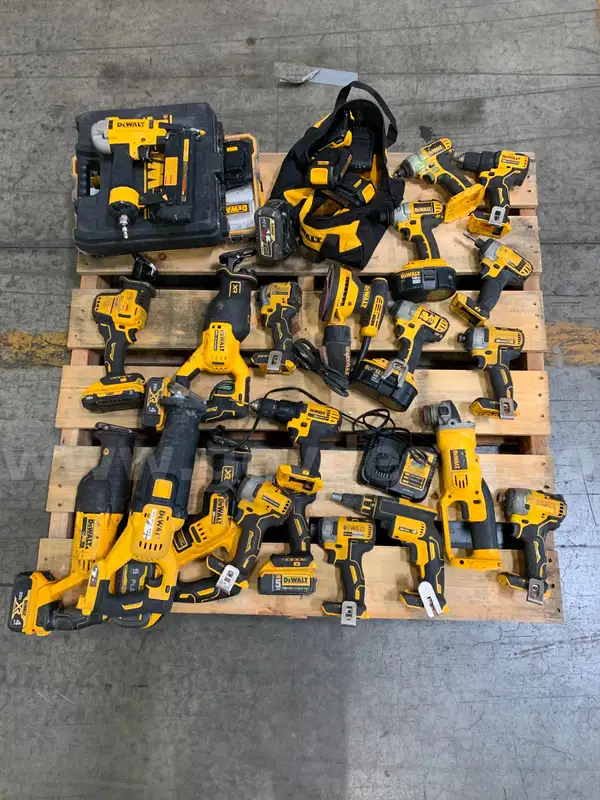
buy milwaukee tool pallets complete guilds : Buying Milwaukee tool pallets gives resellers, contractors, and tool enthusiasts access to professional-grade inventory at wholesale or liquidation prices—significantly below retail. Milwaukee is one of the most in-demand power tool brands globally, making bulk pallet purchases a proven strategy for entering or expanding the tool resale market. Whether you’re sourcing your first pallet or scaling an existing resale operation, this guide covers everything you need to know: what’s included, where to buy, how the process works, and how to maximize your return on investment. Why Buy Milwaukee Tool Pallets? Milwaukee tool pallets are worth buying because they combine high brand demand with significant wholesale savings. Milwaukee is a leading name in the power tool industry, trusted by professionals in construction, automotive, and manufacturing. Their products are engineered for heavy-duty performance and long-lasting reliability—qualities that make them fast-moving inventory for resellers. When you buy Milwaukee tool pallets in bulk, you gain access to high-value inventory at a fraction of retail cost. Pallets typically include a mix of: Power drills and impact drivers Circular saws and reciprocating saws Angle grinders Batteries, chargers, and accessories This broad product mix appeals to a wide customer base—from professional contractors to DIY enthusiasts—making Milwaukee pallets one of the strongest performers in the tool liquidation market. For resellers: Higher profit margins and faster inventory turnover.For personal buyers: Access to premium tools at a fraction of retail cost. What Types of Milwaukee Tool Pallets Are Available? Milwaukee tool pallets come in several conditions, each suited to different budgets and business goals: Milwaukee Tool Returns Pallet – Customer-returned items, untested. Higher risk, but significant savings potential. Milwaukee Overstock Pallets – Surplus new-in-box inventory from excess stock. Manifested Milwaukee Pallets – Pallets with a detailed itemized manifest so you know exactly what you’re buying before purchase. Milwaukee Tool Liquidation Pallet – Mixed-condition pallets sourced from liquidation sales at deep discounts. Grade A Milwaukee Tool Lots – Top-condition items with minimal wear, ideal for resellers who prioritize quality. Mixed Milwaukee & DeWalt Pallet – Multi-brand pallets for buyers looking to diversify their inventory across two premium tool brands. Choosing the right pallet type depends on your risk tolerance, budget, and target resale market. Grade A and manifested pallets are better suited for resellers who want predictable margins, while untested returns pallets work best for experienced buyers who can assess and refurbish items efficiently. Where to Buy Milwaukee Tool Pallets To ensure quality and authenticity, always purchase from trusted wholesale suppliers, liquidation marketplaces, or established pallet distributors. Reliable sources typically offer: Verified inventory listings Detailed pallet manifests Transparent pricing Shipping support and logistics assistance Tool Pallets is a trusted distributor offering a wide range of Milwaukee pallet options at competitive wholesale prices, backed by customer-focused support and transparent listings. You can also explore established liquidation platforms such as B-Stock and Direct Liquidation for additional sourcing options. Avoid unverified sellers or deals that seem too good to be true. Counterfeit or misrepresented products can damage your business reputation and significantly reduce your profit margins. How the Buying Process Works Buying Milwaukee tool pallets is straightforward when you follow the right steps. Step 1: Browse Available Pallets Start by exploring available tool pallets for sale online. Look for detailed descriptions, including product categories, condition grades, and estimated retail value. Step 2: Review the Manifest A pallet manifest provides an itemized overview of what’s included. Manifested pallets remove guesswork and help you calculate potential resale value and gross margin before committing to a purchase. Step 3: Compare Pricing and Condition Pallets vary in condition—new, customer returns, overstock, or refurbished. Select the condition grade that aligns with your budget and resale strategy. Step 4: Place Your Order Once you find the right pallet, place your order through a secure checkout system or directly with a wholesale representative. Step 5: Arrange Shipping Most suppliers offer shipping directly to your location. Tool Pallets provides logistics support to make delivery smooth and efficient. Tips to Maximize Profit from Milwaukee Tool Pallets Getting the best return on investment from a Milwaukee pallet requires more than just buying low. Focus on: Selling high-demand items individually – Power tools such as impact drivers and circular saws command strong prices when listed separately. Bundling accessories – Pairing batteries, chargers, and bit sets into combo listings can increase average order value. Targeting the right buyers – Contractors, tradespeople, and serious DIYers are your highest-value customers. Listing across multiple platforms – Platforms such as eBay, Facebook Marketplace, and Craigslist expand your reach and increase sell-through rates. Starting with manifested pallets – If you’re new to tool resale, manifested Milwaukee pallets reduce uncertainty and make it easier to project profitability. Understanding market demand before you buy is the single most important factor in maximizing margins. Frequently Asked Questions Q: What is a Milwaukee tool pallet?A Milwaukee tool pallet is a bulk lot of Milwaukee-branded tools—including power tools, hand tools, batteries, and accessories—sold together at wholesale or liquidation pricing. Pallets are typically sourced from customer returns, overstock, or closeout sales and are available in various condition grades. Q: Are Milwaukee tool pallets worth buying for resale?Yes, Milwaukee tool pallets are generally well-suited for resale because Milwaukee is a high-demand professional brand with strong consumer recognition. Resellers who source from reliable distributors and sell items individually or in targeted bundles can achieve meaningful profit margins above their pallet cost. Q: What is a pallet manifest, and why does it matter?A pallet manifest is an itemized list of the specific tools and accessories included in a pallet. Buying a manifested Milwaukee pallet allows you to calculate your estimated resale value before purchasing, reducing financial risk compared to blind or unmanifested lots. Q: Can I buy Milwaukee tool pallets near me?Many distributors, including Tool Pallets, offer shipping directly to your location across the USA. Some buyers also find local liquidation vendors by searching platforms like B-Stock or Direct Liquidation for regional inventory. Final Thoughts Buying Milwaukee tool pallets is one of the
Halloween Pallets for Sale
Halloween pallets for sale are bulk bundles of seasonal products — including costumes, decorations, candy, and accessories — sold at wholesale prices. They are ideal for retailers, event planners, and Halloween enthusiasts looking to stock up quickly and affordably. With Halloween just around the corner, buying a Halloween pallet is one of the smartest ways to get everything you need in a single purchase — without paying retail prices for every individual item. Why Buy Halloween Pallets? Halloween pallets are worth buying because they offer a lower cost-per-unit compared to buying items individually, making them particularly valuable for business owners and large event organizers. Here are the key reasons to consider purchasing one: Save money through bulk pricing — the more you buy, the lower the cost per item Stock your store or online shop without paying full retail prices for Halloween merchandise Get variety in one bundle — masks, makeup, decorations, and seasonal accessories all in a single pallet Save time by purchasing everything at once instead of sourcing items separately Whether you run a brick-and-mortar store, an eCommerce shop, or are planning a large Halloween gathering, wholesale Halloween pallets simplify your seasonal buying process. For those also interested in other bulk merchandise, Tool Pallets offers a wide range of wholesale liquidation pallets year-round. Where to Buy the Best Halloween Pallets for Sale Tool Pallets is a trusted source for premium Halloween pallets at competitive wholesale prices. Here is what sets Tool Pallets apart: Discounted bulk pricing on themed seasonal pallets Overstock and returned merchandise available at heavily reduced rates Easy online ordering — browse and purchase directly from the website Fast delivery options for time-sensitive seasonal purchases According to customer reviews on tool-pallets.com, buyers consistently highlight competitive pricing, well-packed shipments, and responsive customer service as key strengths. For additional context on how liquidation pallets work more broadly, resources like B-Stock Solutions and Liquidation.com provide helpful industry benchmarks on bulk buying and pallet sourcing. What’s Inside a Halloween Pallet? What to Expect A Halloween pallet typically contains a curated mix of themed seasonal products. While exact contents vary by supplier, most Halloween pallets for sale include: Adult and children’s Halloween costumes Accessories — wigs, masks, and props Party décor — banners, tablecloths, and pumpkin lights Trick-or-treat supplies — candy and goodie bags Horror-themed decorations and props Makeup sets for costumes and face painting The variety within each pallet makes it easy to cover multiple Halloween needs in one purchase, whether you are outfitting a store display or setting up a large event. You can also explore Tool Pallets’ full liquidation inventory for additional bulk buying options beyond Halloween. Who Should Buy Halloween Pallets? Halloween pallets are best suited for buyers who need large quantities of seasonal products at a low unit cost. Specifically: Retail and eCommerce store owners looking to stock Halloween inventory without high per-item costs Event planners and party organizers preparing for large Halloween gatherings or corporate events Halloween enthusiasts who want a wide variety of decorations, costumes, and accessories at a discount Resellers who purchase bulk lots and sell items individually for a profit If you regularly buy bulk merchandise for your business, also consider browsing Tool Pallets’ wholesale tool pallet options for year-round savings. Frequently Asked Questions Q: Are Halloween pallets for sale worth it for small businesses?Yes. Halloween pallets for sale offer a significantly lower cost-per-unit than retail purchasing, making them a practical option for small businesses that want to maximize their seasonal inventory budget without overspending. Q: Can I choose what’s inside a Halloween pallet?In most cases, pallet contents are pre-bundled and vary by supplier. However, some platforms allow buyers to specify preferences such as costume sizes or decoration types. Check directly with Tool Pallets for current customization options. Q: When is the best time to buy Halloween pallets in bulk?The best time to purchase Halloween pallets is 6–10 weeks before October 31, allowing enough time for delivery and inventory setup. Buying early also increases the chance of securing the best stock before popular items sell out. Halloween is one of the most lucrative retail seasons of the year. At Tool Pallets, Halloween pallets for sale offer an affordable, time-efficient way to stock up on everything spooky — costumes, decorations, candy, and more. Whether you are a retailer, an event planner, or a dedicated Halloween fan, bulk buying ensures you are fully prepared for the season without exceeding your
Finding The Best Tool Liquidation Stores Near Me
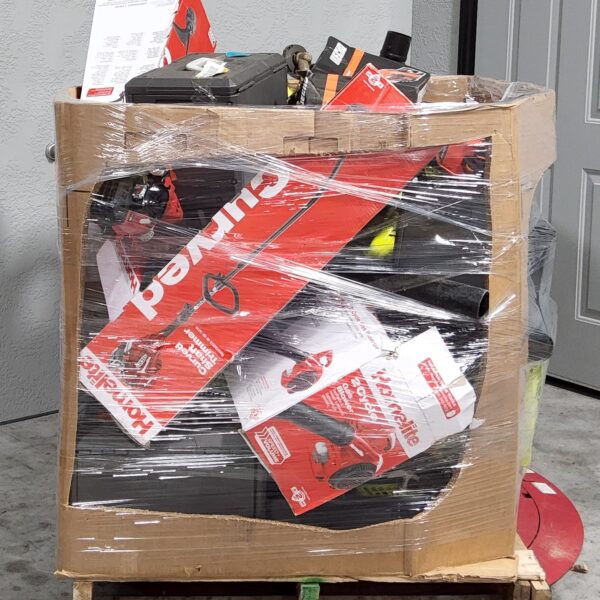
Finding the best tool liquidation stores near me is one of the smartest moves a contractor, reseller, or DIY enthusiast can make. Tool liquidation stores sell bulk pallets of power tools, hand tools, and equipment sourced from overstock, returns, and surplus inventory—often at a fraction of their retail price. Whether you’re stocking a small business or hunting for a deal on professional-grade equipment, liquidation tool pallets offer exceptional value. What Are Tool Liquidation Stores? Tool liquidation stores are retailers—online or physical—that sell large bundles of tools recovered from excess inventory, customer returns, or closeout sales. These bundles, known as tool pallets, typically include a mix of power tools, hand tools, and accessories from well-known brands like Milwaukee, DeWalt, and Ryobi. Buying from a liquidation store allows customers to access premium tools at wholesale prices, making it an attractive option for resellers, tradespeople, and budget-conscious buyers alike. Finding the Best Tool Liquidation Stores Near Me The best tool liquidation stores near me are those that offer transparent manifests, a wide brand selection, and competitive bulk pricing. Tool-Pallets.com is a leading online liquidation source that ships wholesale tool pallets directly to buyers across the U.S., removing the need to locate a physical store. Their inventory includes: Gas Blower Tool Pallets — starting at $1,500 Generators Tool Pallets — starting at $1,500 DeWalt Mix Tool Pallets — starting at $1,400 Milwaukee Tool Liquidation Pallets — starting at $1,800 Home Depot Tool Pallets — starting at $1,200 Loose Tool Pallets — starting at $1,500 Outdoor Power Equipment Pallets — starting at $400 For buyers who prefer to compare options, platforms like B-Stock and Liquidation.com also list tool lots from major retailers, though their selections and pricing structures differ from specialized pallet suppliers. Why Buy from a Tool Liquidation Store? Purchasing from a tool liquidation store—whether online or local—offers several clear advantages over buying tools at full retail price. Deep discounts: Liquidation pallets are priced at wholesale, often 30–70% below standard retail value. Bulk variety: A single pallet can include dozens of tools across multiple categories, ideal for resellers or stocking a workshop. Premium brands: Pallets frequently contain name-brand tools from Milwaukee, DeWalt, Ridgid, and Ryobi. Resale potential: Resellers can break pallets into individual items and sell them at a significant markup. According to buyers at Tool-Pallets.com, the savings are substantial. As one verified customer, Mark S., noted: “I’ve saved so much compared to buying individual items at full price.” What Types of Tool Pallets Are Available? Tool liquidation pallets come in several formats to suit different buyer needs: Brand-specific pallets: Focused collections from a single manufacturer, such as Milwaukee Tool Pallets or Ridgid Tool Pallets, ideal for brand-loyal buyers or targeted resellers. Mixed pallets: Combinations of tools from multiple brands and categories, offering variety and wider resale appeal. Manifested pallets: Pallets sold with a full item list, such as Manifested Milwaukee Pallets, so buyers know exactly what they’re getting before purchasing. Untested returns pallets: Tools sourced from customer returns that have not been individually inspected, typically available at the steepest discounts. How to Evaluate a Tool Liquidation Store Near You Not all liquidation sources are equal. When evaluating a local or online tool liquidation store, consider the following criteria: Manifest availability — Does the seller provide a detailed list of items included in the pallet? Condition grading — Are tools labeled as Grade A, untested returns, or overstock? This affects resale value and usability. Brand reputation — Established suppliers like Tool-Pallets.com carry verified inventory from major tool brands. Customer reviews — Look for verified buyer feedback on product quality, packaging, and delivery reliability. Wholesale pricing options — If you plan to buy in volume, check whether the supplier offers wholesale tool pallets with additional bulk discounts. Who Benefits Most from Tool Liquidation Pallets? Tool liquidation pallets are well-suited for several types of buyers: Contractors and tradespeople who need reliable tools at lower costs to manage project budgets. Small business owners and resellers looking to stock inventory for flea markets, online shops, or retail stores. DIY enthusiasts who want access to professional-grade tools without paying retail prices. Wholesale buyers seeking tool pallets for resale in the UK or across the USA. Frequently Asked Questions Q: What is the difference between a liquidation tool store and a standard tool retailer?A liquidation tool store sells tools sourced from excess inventory, overstock, or customer returns—typically in bulk pallet format at wholesale prices. Standard tool retailers sell individual items at full manufacturer-suggested retail price (MSRP). Liquidation stores offer significantly lower per-unit costs, making them better suited for bulk buyers and resellers. Q: Are tools from liquidation pallets in good condition?Condition varies by pallet type. Manifested and Grade A pallets generally contain tools in good working order, while untested returns pallets may include items that require minor repairs or inspection. Reputable suppliers like Tool-Pallets.com clearly label pallet conditions so buyers can make informed decisions. Q: Can I buy wholesale tool pallets online and have them shipped to me?Yes. Online suppliers like Tool-Pallets.com offer wholesale tool pallets near me with direct shipping across the U.S., eliminating the need to find a local liquidation store. This is often the most convenient option for buyers in areas with limited local inventory. Q: What brands are typically found in tool liquidation pallets?Common brands include Milwaukee, DeWalt, Ryobi, Ridgid, and other professional-grade tool manufacturers. Mixed pallets may combine multiple brands, while brand-specific pallets focus on a single manufacturer’s products.