
Milwaukee Drill and Charger
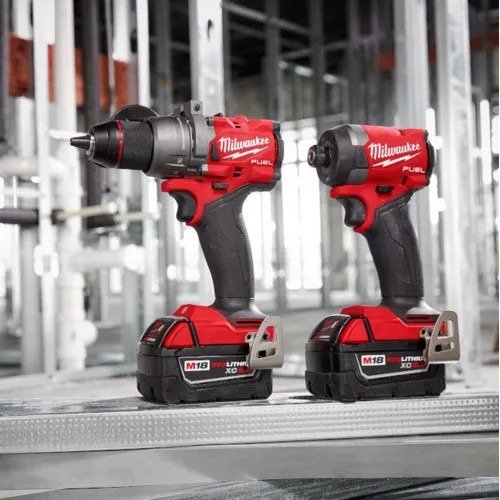
Milwaukee Drill and Charger: Why This Combo Is a Game-Changer The Milwaukee drill and charger combo is one of the most reliable power tool pairings on the market. Milwaukee’s M18 and M12 systems deliver professional-grade torque, fast charging, and long battery life—making them a top choice for contractors, tradespeople, and serious DIYers in the U.S. and UK alike. You know that feeling when you’re halfway through a job and your drill dies? Battery’s at zero, the charger is in another room, and you’ve got a deadline staring you down. It’s one of the most frustrating things that can happen on a worksite—and honestly, it happens way more than it should. That’s exactly the problem the Milwaukee drill and charger system was built to solve. Not just a powerful drill, not just a fast charger, but a complete ecosystem designed so the two work together seamlessly. When your tools talk to your battery, and your charger actually keeps up with your schedule, everything changes. This post breaks down what makes the Milwaukee drill and charger combo worth talking about, who it’s best suited for, and how you can get your hands on one—without paying full retail price. Why Milwaukee Became the Go-To Brand for Professionals Milwaukee Tool has been around since 1924, and over the past decade, the brand has become a dominant force in the professional power tool market. According to Milwaukee Tool’s official platform, the company’s focus has always been on delivering solutions to the trades—not gimmicks, not consumer-grade shortcuts. The Milwaukee M18 platform, in particular, has grown into one of the most expansive cordless ecosystems in the industry. One battery platform. Over 250 compatible tools. That kind of compatibility is a massive deal when you’re building out a toolkit over time, because every battery you own works across your entire lineup. Milwaukee drills are well-regarded for their torque output, compact design, and brushless motor technology—features that reduce heat, extend tool life, and get more runtime out of every charge. And the chargers? They’re engineered to match. Fast charging, smart diagnostics, and compatibility across the M12 and M18 families make them a natural partner to the drill. 4 Key Features of the Milwaukee Drill and Charger System 1. Brushless Motor Technology That Actually Lasts Here’s the thing about brushless motors—they’re not just a marketing term. Traditional brushed motors create friction and heat every time they run, which wears them down over time. Brushless motors eliminate that friction entirely. Milwaukee’s brushless drills deliver more power per charge, generate less heat during heavy use, and last significantly longer than their brushed counterparts. For tradespeople running a drill for hours every day, that translates directly to fewer tool replacements and lower costs over time. 2. REDLITHIUM Battery Technology Milwaukee’s REDLITHIUM batteries are the backbone of the whole system. They’re built to deliver more work per charge and more charges per pack than standard lithium-ion batteries on the market. What makes them genuinely useful is how they perform under stress. Cold mornings on a UK building site? Hot summer days on a U.S. job in Phoenix? REDLITHIUM packs are engineered to hold capacity in temperature extremes where cheaper batteries start to struggle. That consistency is something you only appreciate once you’ve been burned by a lesser battery mid-job. 3. RAPID CHARGE Technology — Less Waiting, More Working The Milwaukee charger isn’t an afterthought. The M18 and M12 rapid chargers can bring a depleted battery back to full in as little as 30–60 minutes, depending on the pack size. Some of the larger 12Ah packs take longer, but the standard 5Ah packs used by most tradespeople charge fast enough to keep pace with a typical work rotation. The charger also runs diagnostics on each battery every time it’s connected. If a cell is failing or the pack has been over-discharged, the charger identifies it—saving you from a nasty surprise mid-job. 4. ONE-KEY Smart Tool Integration Milwaukee’s ONE-KEY system allows compatible drills to be tracked, customized, and managed via a smartphone app. Tools can be registered, locked if stolen, and their usage tracked across a fleet. For contractors managing multiple crew members or job sites, this kind of oversight is genuinely useful—not just a flashy feature. You can also customize torque settings and speed profiles directly through the app, dialing the drill into whatever task is at hand. Delicate cabinetry work one morning, structural framing the next—the drill adapts. Who Is the Milwaukee Drill and Charger Best For? Contractors and Tradespeople If you’re running a drill daily on professional jobs, Milwaukee is built for your pace. The durability, power output, and ecosystem compatibility make it a long-term investment that pays for itself through reliability and reduced downtime. Electricians and Plumbers Milwaukee’s compact drill designs are engineered for tight spaces—inside walls, under cabinets, in electrical panels. The M12 range, in particular, is a favorite among electricians in both the U.S. and UK for exactly this reason. Lightweight, powerful, and small enough to fit where bigger drills can’t go. Serious DIYers You don’t need to be a professional to appreciate a tool that works every time you pick it up. If you’re doing regular home improvement projects, renovations, or weekend builds, investing in a Milwaukee drill and charger means you’re not fighting your equipment—you’re just getting the work done. Resellers and Small Business Owners This is where it gets interesting. Milwaukee tools hold their value well on the secondhand market. For resellers sourcing tools through liquidation or wholesale channels, Milwaukee branded tools—including drills and chargers—are consistently among the most sought-after items. Buyers recognize the brand, trust the quality, and are willing to pay for it. If you’re in the reselling business, tool pallets from Tool Pallets can be an efficient way to source Milwaukee tools in bulk at below-retail prices. Milwaukee overstock and returns pallets, in particular, are popular because they often include drills, chargers, and batteries that are in excellent working condition. Where to Source Milwaukee Drills and Chargers at Wholesale Prices Buying Milwaukee tools
Milwaukee Set Pallets
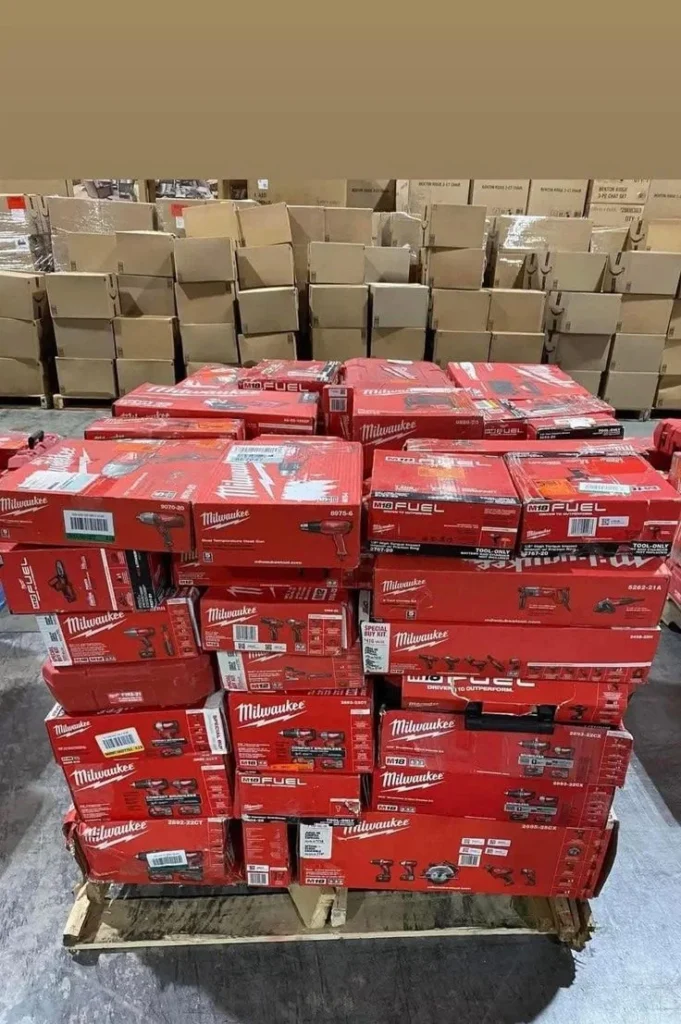
Milwaukee Set Pallets: The Smartest Way to Stock Up on Pro Tools A Milwaukee set pallet is a bulk lot of Milwaukee power tools and hand tools sold together at wholesale prices—often sourced from overstock or liquidation. These pallets are a cost-effective way for contractors, resellers, and serious DIYers to get premium Milwaukee tools at a fraction of retail cost. You know that feeling when you need a Milwaukee drill, an impact driver, and a handful of other tools—but buying each one individually feels like lighting money on fire? Yeah. That’s the problem a Milwaukee set pallet solves, and honestly, once you discover this option, it’s hard to go back to buying tools any other way. Whether you’re a contractor stocking up for a big job, a reseller building inventory, or just someone who refuses to overpay for quality tools, Milwaukee set pallets are worth getting excited about. They pack serious value into a single purchase, and the savings compared to standard retail prices can be genuinely jaw-dropping. This post breaks down everything you need to know—what a Milwaukee set pallet actually is, why it makes so much sense for buyers in the USA and UK, what features make these pallets stand out, and who they’re really built for. By the end, you’ll know exactly whether a Milwaukee tool set pallet belongs in your next purchase. What Is a Milwaukee Set Pallet, and Why Does It Exist? The story behind Milwaukee tool pallets Milwaukee Tool has built one of the strongest reputations in the power tool industry. Their M12 and M18 cordless systems are trusted on job sites around the world, and their hand tools are no different—designed for professionals who need reliability, not just a bargain. According to Milwaukee Tool’s official site, the brand’s entire focus is on delivering solutions that increase productivity and reduce downtime for professional users. So where do Milwaukee set pallets come from? Retailers, warehouses, and distributors regularly end up with overstock, customer returns, and excess inventory. Rather than letting those tools sit in storage or get written off entirely, that inventory is consolidated onto pallets and sold in bulk through liquidation channels. The result? Buyers get access to genuine Milwaukee tools at wholesale prices that would be impossible to find at a regular hardware store. At tool-pallets.com, Milwaukee pallets are sourced from these exact channels—giving customers a direct path to real savings on professional-grade tools. 4 Key Features of a Milwaukee Set Pallet (In Human Language, Not Specs) 1. You get a lot of tools for a lot less money This is the big one. A Milwaukee set pallet isn’t just one tool at a small discount—it’s a bulk collection of tools at wholesale pricing. Pallets available through tool-pallets.com’s Milwaukee Tool category are priced significantly below standard retail, meaning your per-tool cost drops dramatically when you buy in bulk. For a reseller, that margin is the business. For a contractor, it means equipping a crew without blowing the budget. For a DIYer who’s serious about their workshop, it’s a chance to build a full kit at once rather than piece-mealing it together over months. 2. Variety comes built into the pallet One of the best things about a Milwaukee set pallet is that you’re not locked into one model or one tool type. Pallets often include a mix of drills, impact drivers, saws, grinders, and hand tools. That variety is genuinely useful—especially for resellers who need range in their inventory, or contractors who want tools that cover multiple tasks on a single job site. Mixed Milwaukee pallets, like the Mixed Milwaukee & DeWalt Pallets available at tool-pallets.com, take this even further by combining two of the most trusted brands in the industry into a single bulk lot. 3. Manifested pallets give you visibility before you buy Not all pallets are a mystery. Manifested Milwaukee pallets come with an itemized list of what’s included—so you know what you’re getting before the pallet arrives. This is a huge deal for resellers who need to plan their inventory and price their items before they even unbox anything. The Manifested Milwaukee Pallets option at tool-pallets.com is specifically designed for buyers who want that transparency, making the whole process feel a lot more like a calculated investment than a gamble. 4. Grade A options mean quality you can count on Not every pallet is returns-only. Grade A Milwaukee tool lots feature tools in excellent condition—think open-box, overstock, or lightly handled inventory rather than heavily used returns. For buyers who want the value of a pallet without the uncertainty of untested returns, this is the sweet spot. The Grade A Milwaukee Tool Lots at tool-pallets.com are a strong choice for anyone who wants premium quality at a wholesale price point. Who Is a Milwaukee Set Pallet Perfect For? Contractors and tradespeople If you’re running a crew, you probably need multiple sets of the same tools. Buying a Milwaukee set pallet means equipping your team without paying full retail for every single drill and impact driver. It’s a practical, no-nonsense approach to keeping your operation stocked and your costs manageable. Resellers and small business owners The math here is straightforward. Buy in bulk at wholesale pricing, sell individually at competitive prices, and keep a healthy margin. Resellers who specialize in tools—whether through online marketplaces, local shops, or trade shows—find Milwaukee pallets to be a reliable inventory source. According to Business Insider’s coverage of the liquidation industry, reselling liquidation goods has grown into a multi-billion dollar market in the USA alone, with tools consistently ranking among the highest-demand categories. Serious DIYers and hobbyists Some people just love having the right tool for every job. If your garage or workshop is your happy place, a Milwaukee set pallet is a chance to upgrade your setup all at once. Instead of spending years slowly adding tools one at a time, a single pallet purchase can fill the gaps in your collection fast. Warehouse buyers and bulk purchasers For businesses that regularly stock tools—think
Cheapest Milwaukee
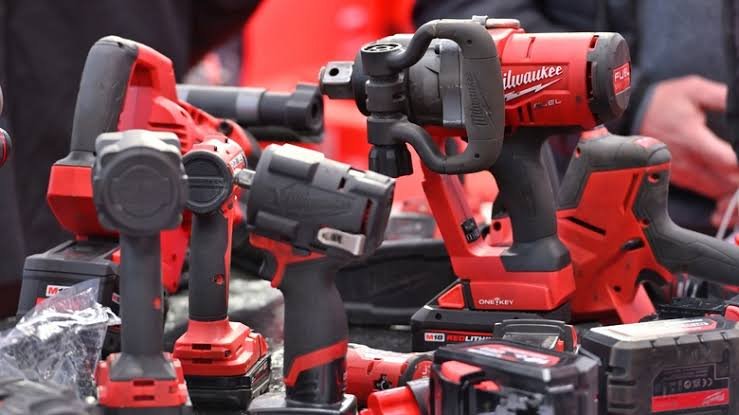
The Cheapest Milwaukee Tools You Can Buy Right Now The cheapest way to buy Milwaukee tools is through liquidation and overstock pallets, where bulk lots of genuine Milwaukee power tools are sold at a fraction of retail price. Tool-pallets.com offers Milwaukee tool pallets starting from $850, making it one of the most cost-effective options for contractors, resellers, and serious DIYers in the U.S. and UK. You know the feeling. You walk into a hardware store, pick up a Milwaukee drill, flip it over to check the price tag—and quietly put it back down. Milwaukee tools are incredible. Everyone knows it. But at full retail, they can absolutely wreck your budget, especially if you need more than one or two pieces. Here’s the thing most people don’t realize: you don’t have to pay retail. Not even close. A growing number of contractors, resellers, and trade professionals across the U.S. and UK are turning to Milwaukee tool pallets—bulk lots of genuine Milwaukee tools sourced from overstock, returns, and liquidation sales—and saving thousands of dollars in the process. It’s one of the smartest ways to build out a serious tool collection without emptying your bank account. This post breaks down exactly how it works, what you get, who it’s right for, and how to grab a deal today. Why Are Milwaukee Tools So Expensive at Retail? Milwaukee Tool has built its reputation on professional-grade performance. The brand’s M18 and M12 systems are trusted on job sites worldwide, and that quality comes at a price. A single Milwaukee M18 circular saw, for example, retails for well over $150—and that’s often without a battery. For professionals who need a full kit, the costs stack up fast. A contractor outfitting a new crew or a reseller looking to stock their shop simply can’t afford to buy everything at full price. That’s the gap that Milwaukee tool pallets fill beautifully. The Story Behind Tool Pallets—And Why They Exist Every year, retailers and manufacturers are left with excess inventory. Returns come back from customers. Overstock piles up in warehouses. Discontinued models need to be cleared out. Rather than letting perfectly good tools collect dust, these lots are bundled together and sold in bulk—often at 30% to 60% below retail value. Tool pallets were born from this surplus pipeline. They give buyers access to genuine branded tools at wholesale prices, and they’ve become especially popular for Milwaukee tools because of how strong demand is for the brand. The tools are real. The savings are real. And the volume is exactly what high-demand buyers need. Tool-pallets.com was built specifically to connect buyers with these kinds of deals, offering a curated range of Milwaukee pallets—from manifested lots to untested returns—all in one place. 4 Key Features That Make Milwaukee Tool Pallets Worth It 1. Genuine Milwaukee Tools at Wholesale Prices Every pallet contains authentic Milwaukee tools—not knockoffs, not generic substitutes. You’re getting the same drills, saws, grinders, and batteries that contractors pay full price for at the hardware store, just sourced through liquidation and overstock channels. Pallets from tool-pallets.com are priced significantly below retail, with some Milwaukee lots starting as low as $850. #### 2. Multiple Pallet Types to Match Your Needs Not all buyers are the same, and the pallet options reflect that. Whether you want a manifested Milwaukee pallet—where you know exactly what’s inside before you buy—or an untested returns pallet that offers a higher-risk, higher-reward experience, there’s an option that fits your comfort level and budget. 3. Mixed Brand Pallets for Maximum Value Can’t decide between Milwaukee and DeWalt? You don’t have to. Mixed pallets combine both brands in a single lot, giving resellers and contractors a broader inventory without doubling their spend. The Mixed Milwaukee & DeWalt Pallet is available from $900—a strong value for anyone building out a versatile tool stock. 4. Bulk Buying Power for Businesses Buying a pallet instead of individual tools dramatically lowers the per-unit cost. For a reseller, that margin difference is the business. For a contractor outfitting a crew, it means getting more tools for the same budget. According to the Milwaukee Tool official website, the brand’s professional ecosystem spans hundreds of compatible tools—which means there’s always strong resale demand for Milwaukee products purchased at wholesale. Who Are Milwaukee Tool Pallets Perfect For? This isn’t a product for casual weekend hobbyists picking up a screwdriver set. Milwaukee tool pallets are best suited for: If you fall into any of these categories, a Milwaukee tool pallet could genuinely change the way you buy tools. Businesses that buy in bulk through liquidation channels are consistently able to stretch their budgets further—a point supported by NARTS (National Association of Resale Professionals), which highlights the growing legitimacy and profitability of the resale and liquidation industry. Frequently Asked Questions Are Milwaukee tools in liquidation pallets genuine and usable? Yes. Milwaukee tools sold through liquidation and overstock pallets are genuine branded tools. They may come from customer returns, excess inventory, or discontinued lines—but the tools themselves are authentic Milwaukee products. Manifested pallets list the contents upfront so you know exactly what you’re getting. Untested return pallets carry more uncertainty but often deliver excellent value. It’s always a good idea to inspect tools upon arrival and test them before use or resale. What is the difference between a manifested and an unmanifested Milwaukee pallet? A manifested pallet includes a full list of its contents before purchase. You’ll know which specific Milwaukee tools are included, their condition grades, and estimated retail value. An unmanifested pallet does not include a detailed list—you’re buying the lot sight unseen, which can mean better per-unit pricing but less predictability. Manifested pallets are generally recommended for buyers who want transparency and are reselling to end customers. How do I buy cheapest Milwaukee tools through tool-pallets.com? Buying is straightforward. Browse the available Milwaukee tool pallets on tool-pallets.com, select the pallet that fits your budget and needs, and complete your purchase. The site ships to customers in the U.S. and offers wholesale pricing for bulk
Cheapest Milwaukee Tools
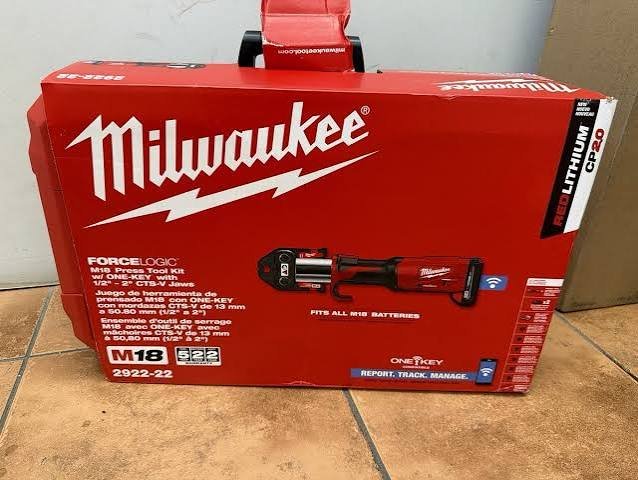
Cheapest Milwaukee Tools? Here’s the Smartest Way to Score Them The cheapest Milwaukee tools are found through liquidation pallets and wholesale bulk lots—not retail stores. Buying Milwaukee tool pallets from suppliers like Tool Pallets gives contractors, resellers, and DIYers access to professional-grade tools at a fraction of the retail price. You love Milwaukee tools. Who doesn’t? They’re tough, reliable, and built to handle real work. But let’s be honest Milwaukee’s retail prices can sting. A single drill kit can run $200+, and if you’re kitting out a crew or stocking a resale business, that number climbs fast. Here’s the thing most people don’t know: you don’t have to pay full price. Not even close. Milwaukee tools are available at significantly reduced prices through liquidation and overstock pallets—bulk lots sourced from excess inventory, customer returns, and surplus stock. These pallets contain the same Milwaukee tools sold in hardware stores across the USA and UK, just purchased through a smarter channel. This post breaks down why Milwaukee tool pallets are one of the best-kept secrets in the tool world, what makes them worth buying, who they’re perfect for, and where to get them. Why Milwaukee Tools Are So Expensive at Retail Milwaukee Tool has built its reputation on professional-grade quality. The M18 battery platform alone has become the go-to ecosystem for electricians, plumbers, and construction crews across North America and the UK. That quality commands a premium. At full retail, Milwaukee tools are priced for the pro market—and that pricing reflects it. For individuals or small businesses buying one tool at a time, the costs add up quickly. That’s exactly where bulk purchasing changes the game. What Are Milwaukee Tool Pallets? Milwaukee tool pallets are bulk lots of Milwaukee-branded tools sold together at wholesale prices. They’re typically sourced from: Because they’re sold in bulk, the per-unit cost drops dramatically compared to buying tools individually at retail. Why We Built a Better Way to Buy Tools in Bulk At Tool Pallets, the goal was straightforward: make professional-grade tools accessible to more people. Whether you’re a reseller building inventory, a contractor outfitting a team, or a hands-on DIYer who refuses to overpay, bulk tool pallets offer a smarter path. The Milwaukee tool pallet range was built specifically because demand was there. Contractors kept asking. Resellers kept searching. And the retail options weren’t cutting it. Now, a wide range of Milwaukee tool pallets is available—from liquidation lots to overstock bundles to manifested pallets where you know exactly what’s inside. 4 Key Features That Make Milwaukee Tool Pallets Worth It 1. Serious Savings on Premium Tools The most obvious benefit is the price. A Milwaukee Tool Returns Pallet, for example, carries a retail value of $2,600 and is available for $1,500. That’s a 42% saving on tools you’d otherwise pay full price for. Similarly, Milwaukee Overstock Pallets are listed at $1,650 against an original price of $2,300. The savings are real, and they compound when you’re buying multiple pallets. 2. Manifested Options for Full Transparency Not all tool pallets are a mystery box. Manifested Milwaukee Pallets come with a full list of what’s included—so you know exactly what you’re getting before you buy. This makes it easy to plan resale pricing or confirm a pallet fits your specific project needs. For buyers who want certainty, manifested pallets are the way to go. 3. Variety of Pallet Types to Match Your Goal Different buyers have different needs. That’s why multiple pallet formats are available: There’s a pallet format for every budget and buying strategy. 4. Wholesale Pricing for Businesses For businesses purchasing in volume, wholesale pricing is available directly through Tool Pallets. This makes it practical for small hardware stores, independent resellers, and trade businesses to stock Milwaukee tools at a cost that still leaves room for healthy margins. Who Are Milwaukee Tool Pallets Perfect For? This isn’t a one-size-fits-all product—and that’s a good thing. Here’s who gets the most value from buying cheapest Milwaukee tools this way: Resellers and Flippers If you sell tools online through platforms like eBay, Facebook Marketplace, or Amazon, Milwaukee tool pallets offer strong margins. A pallet bought at $1,300 can yield significantly more when tools are sold individually at market value. Contractors and Tradespeople Running a crew means tools get lost, worn out, and replaced regularly. Buying through bulk liquidation channels means you’re not paying retail every time you need to replace a drill or circular saw. Small Business Owners Hardware shops, tool rental businesses, and equipment suppliers can expand their Milwaukee inventory at wholesale cost—keeping shelves stocked without the full retail overhead. DIY Enthusiasts You don’t have to be a professional to appreciate a deal. If you’re planning a renovation, a workshop build, or ongoing home projects, a smaller Milwaukee pallet gives you access to pro-grade tools at a price that makes sense for personal use. FAQs About Buying the Cheapest Milwaukee Tools Are Milwaukee tool pallets safe to buy if the tools are returns or untested? It depends on the pallet type. Untested return pallets carry slightly more risk—some tools may have minor issues—but they’re also priced lower to reflect that. If certainty matters more to you, opt for Grade A Milwaukee Tool Lots or Manifested Milwaukee Pallets, where quality is clearer upfront. For resellers comfortable testing and sorting tools, return pallets can offer outstanding value. How much can I save compared to buying Milwaukee tools at retail? Savings vary by pallet type, but discounts typically range from 30% to over 50% off retail value. For example, the Buy Milwaukee Tool Wholesale pallet is priced at $850 against a $1,900 retail value—that’s a 55% saving. For resellers, that gap is where your profit lives. Can I buy Milwaukee tool pallets in both the USA and UK? Yes. Tool Pallets ships to both the USA and UK, making it a practical option for buyers on either side of the Atlantic. If you’re looking to reduce shipping costs, check for local wholesale availability or contact the team at Tool Pallets
Milwaukee Discount Tools
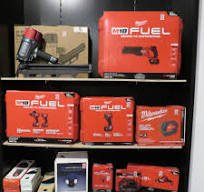
Milwaukee Discount Tools: How to Score Big Savings on Bulk Pallets Milwaukee discount tools are available through liquidation and overstock pallets — bulk lots that let contractors, resellers, and DIYers grab premium Milwaukee gear at a fraction of retail price. Tool-pallets.com offers a range of Milwaukee tool pallets, from manifested lots to mixed Milwaukee and DeWalt bundles, starting well below standard market value. You know that feeling when you need a solid Milwaukee drill, a reliable impact wrench, or a full set of M18 tools — but the retail price tag makes your eyes water? Yeah. We’ve all been there. Full retail on Milwaukee tools adds up fast, especially if you’re outfitting a crew, stocking a small business, or just trying to build a serious tool collection without draining your bank account. That’s exactly the problem Milwaukee discount tools — specifically tool pallets — are built to solve. Instead of paying full price for one item at a time, you’re buying in bulk, often sourced from liquidation sales, overstock, or customer returns. The result? Premium Milwaukee tools at prices that actually make sense. This post breaks down everything you need to know: what Milwaukee discount tool pallets are, what makes them worth buying, who they’re perfect for, and where you can grab them right now. Why Milwaukee Tools Are Worth Every Penny — Even at a Discount Before getting into the how, it’s worth understanding the why. Milwaukee Tool has built one of the most respected reputations in the power tool industry. Their M12 and M18 cordless systems are trusted by professional tradespeople across the US and UK. Durability, performance, and a wide ecosystem of compatible tools and batteries — Milwaukee delivers on all three. So when Milwaukee discount tools become available through liquidation or overstock channels, they don’t suddenly become bad tools. The quality stays the same. What changes is the price point. That’s the whole appeal. The Story Behind Milwaukee Discount Tool Pallets Here’s something most people don’t realize: major retailers and manufacturers deal with returned, overstocked, or excess inventory constantly. These tools can’t always be resold on the shelf at full price — even if they’re in perfect working condition. So instead, they’re bundled into pallets and sold through liquidation channels. Tool-pallets.com was built around exactly this opportunity. The idea was straightforward: source quality tool pallets — including Milwaukee tool pallets — and make them available to contractors, resellers, and everyday buyers who want real value. Rather than letting good tools gather dust in a warehouse, those tools are matched with buyers who actually need them. The result is a win on both sides. Sellers move inventory. Buyers get Milwaukee discount tools at prices that would be impossible to find at Home Depot or Amazon. 4 Key Features That Make Milwaukee Tool Pallets a Smart Buy 1. Significant Savings Off Retail Price This is the big one. Milwaukee tool pallets available at tool-pallets.com are consistently priced well below their original retail value. For example: That’s not a modest discount. Those are savings of 30–55% off retail, on genuine Milwaukee tools. For a reseller or contractor buying multiple pallets a year, that gap adds up to thousands of dollars. 2. Multiple Pallet Types to Match Your Needs Not every buyer is the same, and the Milwaukee tool pallet range reflects that. You can choose from: Each pallet type serves a different strategy, which means Milwaukee discount tools are accessible whether you’re a first-time buyer or a seasoned liquidation pro. What’s Typically Included in a Milwaukee Tool Pallet? Milwaukee tool pallets generally contain a mix of cordless drills, impact drivers, grinders, saws, batteries, chargers, and hand tools. The exact contents vary by pallet type. Manifested pallets will list specific items, while returns or liquidation pallets may include a broader, more varied assortment. 3. Wholesale Pricing for Bulk Buyers For businesses purchasing multiple pallets, wholesale pricing options are available. This matters for retailers, tool resellers, and fleet managers who need to stock up regularly. Buying Milwaukee discount tools in bulk — rather than item by item at retail — drastically reduces per-unit cost and improves margins. Tool-pallets.com supports bulk purchases and can be contacted directly for wholesale pricing details. It’s a practical route for anyone running a trade business or an online reselling operation. 4. Trusted by Contractors and Resellers Across the US and UK Real buyers leave real feedback. Customers like Mark Wilson, a small business owner, noted saving significantly compared to buying individual items at full price. A contractor named Mark described the pallets as “well-packed” and the tools as “exactly what I was expecting.” These are people who buy tools for a living — and they keep coming back. Who Are Milwaukee Discount Tool Pallets Perfect For? Milwaukee discount tools through pallets aren’t for everyone — but for the right buyer, they’re genuinely hard to beat. Here’s who gets the most value: Contractors and tradespeople who need to equip a crew without spending full retail on every item. Buying a pallet of Milwaukee tools can outfit multiple workers at a fraction of the cost. Tool resellers and eBay/Amazon sellers who flip tools for profit. Liquidation pallets offer strong margins when individual tools are resold at or below standard retail prices — buyers still feel like they’re getting a deal. Small business owners in hardware, construction supply, or equipment rental who need reliable inventory at lower acquisition costs. DIY enthusiasts tackling major renovation projects who want professional-grade Milwaukee tools without the professional price tag. Wholesale buyers in the UK looking for US-sourced liquidation stock to import and distribute. If you fall into any of these categories, browsing the Milwaukee tool pallets available at tool-pallets.com is a logical next step. Frequently Asked Questions About Milwaukee Discount Tools Are Milwaukee tools sold in liquidation pallets in good working condition? It depends on the pallet type. Grade A Milwaukee tool lots and overstock pallets typically contain tools in excellent or near-new condition — these are usually excess inventory that was
Milwaukee Tool Specials
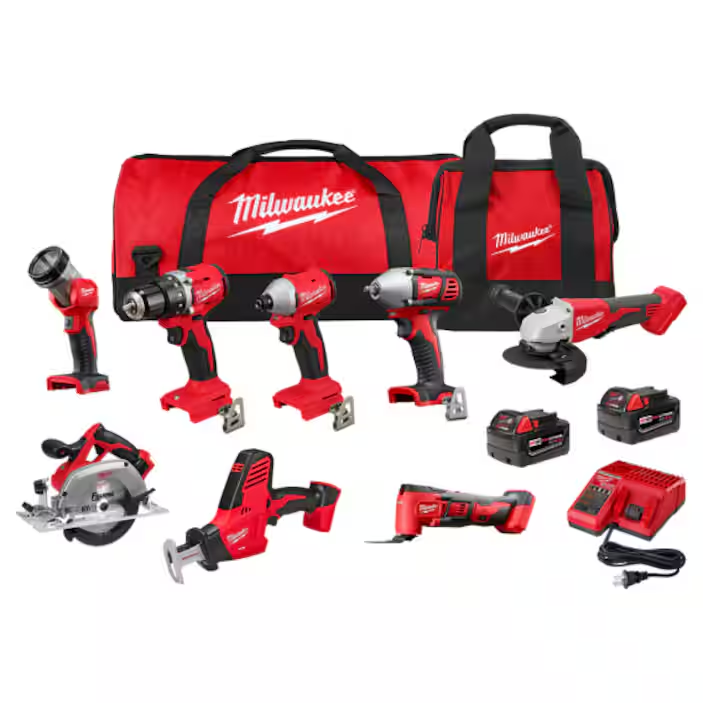
Milwaukee Tool Specials: How to Score Pro-Grade Tools for Less You’ve been eyeing that Milwaukee drill for months. You know it’s built like a tank. You know it’ll outlast the cheap stuff by years. But every time you click “add to cart,” that full retail price stops you cold. Sound familiar? Good news—Milwaukee tool specials are out there, and more people are catching on to one of the smartest ways to get them: wholesale tool pallets. Whether you’re a contractor looking to gear up fast, a reseller hunting for profit margin, or a serious DIYer who refuses to compromise on quality, this is worth your attention. Why Milwaukee Tools Are Worth the Hunt Milwaukee Tool has built a reputation that speaks for itself. Professionals across construction, electrical, and plumbing trades rely on Milwaukee’s M12 and M18 battery platforms daily. The brand is known for durability, innovation, and a tool ecosystem that actually makes sense—once you’re in the system, everything works together. But here’s the thing: buying Milwaukee tools at full retail adds up fast. A single M18 impact driver can run $150–$250. A full kit? You’re looking at $400 or more. For contractors stocking a whole crew, or resellers building inventory, those prices are a real barrier. That’s exactly where Milwaukee tool specials—specifically liquidation and overstock pallets—come into play. The Story Behind Milwaukee Tool Pallets Tool pallets exist because the retail supply chain generates surplus. Overstock from big-box stores, customer returns that can’t be resold at full price, and excess inventory from distribution centers all have to go somewhere. Instead of being written off entirely, these tools are bundled into pallets and sold at a significant discount through wholesale and liquidation channels. At Tool Pallets, Milwaukee tool specials are sourced from exactly these kinds of surplus pipelines. The result? Pallets packed with genuine Milwaukee tools—drills, impact drivers, saws, batteries, and more—available at a fraction of what you’d pay retail. It’s not a mystery box situation. Many of these pallets are manifested, meaning you know what’s inside before you buy. 4 Key Features That Make These Milwaukee Tool Specials Worth It 1. Significant Savings on Brand-Name Tools This is the big one. Milwaukee tool specials through wholesale pallets can be purchased at 30–60% below retail value. For example, a Milwaukee Tool Returns Pallet listed at $2,600 retail is available for $1,500—that’s $1,100 saved in a single purchase. For resellers, that gap is where profit lives. For contractors, it’s how you outfit a team without blowing the budget. 2. Manifested Pallets Mean No Guesswork One concern with bulk tool buying is not knowing what you’re getting. That’s been addressed head-on with Manifested Milwaukee Pallets—pallets where the contents are listed upfront. You can see what tools are included, plan accordingly, and make a confident buying decision. This transparency is a big deal, especially for resellers who need to price inventory before it arrives. 3. Multiple Pallet Types to Match Your Needs Not every buyer has the same goal. That’s why Milwaukee tool specials come in several formats: You can browse the full range of Milwaukee tool pallets at Tool Pallets to find the right fit for your situation. 4. Wholesale Pricing for Bulk Buyers If you’re buying for a business, the wholesale angle is hard to ignore. Purchasing Milwaukee tool specials in bulk lowers your per-unit cost dramatically. A Buy Milwaukee Tool Wholesale pallet originally priced at $1,900 is currently listed at $850—less than half the original price. For small business owners and resellers, this kind of margin is what makes the model sustainable. Who Are Milwaukee Tool Specials Perfect For? Contractors and Tradespeople If you’re running a crew, gear gets lost, broken, and worn out. Replacing tools at retail every season is expensive. Milwaukee tool specials let you keep a solid inventory of reliable gear without the full retail hit. Resellers and Flea Market Vendors Buying low and selling smart is the whole game. Milwaukee tools are a trusted name that customers recognize and trust. A pallet of Milwaukee tool specials gives you inventory that’s easy to move, especially when you can undercut retail prices and still make margin. Small Business Owners Stocking a workshop or equipping field staff? Buying Milwaukee tool specials in bulk through pallets is a practical way to get quality gear at prices that make sense for a growing operation. Serious DIYers You don’t need a whole pallet to benefit—but if you’re deep into home renovation projects and want professional-grade tools at a better price, Milwaukee tool specials sourced from overstock are absolutely worth exploring. Frequently Asked Questions Are Milwaukee Tool Pallets Reliable to Buy? Yes—especially when you buy from a reputable source. Tool Pallets offers manifested options where the contents are clearly listed, so you know what’s in the pallet before purchasing. Customer reviews also highlight consistently well-packed pallets and accurate product descriptions. What’s the Difference Between Liquidation and Overstock Milwaukee Pallets? Liquidation pallets typically include returned or excess tools that have been pulled from retail shelves—these may show light cosmetic wear. Overstock pallets, on the other hand, contain surplus tools that were never sold, often in original packaging. For the best condition, Milwaukee Overstock Pallets are a strong choice. Can I Resell Tools Purchased from a Milwaukee Tool Pallet? Absolutely. Many buyers purchase Milwaukee tool specials specifically to resell. The key is understanding what you’re buying—manifested pallets make this easier by listing contents upfront. Factoring in the average discount (often 40–60% off retail), there’s genuine room for profit. Final Thoughts Milwaukee tool specials through wholesale pallets are one of the most practical ways to access quality tools at a real discount. Whether you’re gearing up a job site, building resale inventory, or upgrading your workshop, the math works in your favor. Browse the full selection of Milwaukee tool pallets at Tool Pallets and find the deal that fits your needs—because great tools shouldn’t have to cost full prices
Milwaukee Promotions
Milwaukee Promotions: Score Pro Tools for Less Right Now Quick answer: Milwaukee promotions through tool-pallets.com let contractors, resellers, and diyers Milwaukee tool pallets—including liquidation, overstock, and returns pallets—at prices well below retail. Pallets are currently listed from $850 to $1,800, making this one of the most cost-effective ways to stock up on Milwaukee gear in the U.S. and UK. You know that feeling when you need a quality Milwaukee tool—a drill, a grinder, a multi-tool—but the retail price stops you dead in your tracks? Yeah. It’s frustrating. Especially when you’ve got a job to finish, a business to stock, or a workshop to build. The good news? There’s a smarter way to get your hands on Milwaukee tools, and it doesn’t involve waiting for a Black Friday sale. Milwaukee promotions through tool-pallets.com are making it possible to score bulk lots of Milwaukee tools at seriously discounted prices—and right now, the deals are genuinely exciting. Whether you’re a contractor looking to cut costs, a reseller hunting for inventory, or a DIY enthusiast ready to upgrade your setup, this is worth your full attention. Why Are Milwaukee Tools So Hard to Find at a Good Price? Milwaukee is one of the most trusted names in professional-grade tools. That reputation comes at a cost. Retail prices for Milwaukee power tools regularly run into the hundreds—sometimes thousands—of dollars per item. For a single contractor or small business, that adds up fast. The reality is that most people never find out about the other channels where Milwaukee tools are available at a fraction of the price. Liquidation sales, overstock lots, and customer returns pallets move through wholesale markets quietly, and unless you’re plugged in, you miss them entirely. That’s exactly the gap that tool-pallets.com was built to fill. The Story Behind Tool-Pallets.com Tool-pallets.com was created for one straightforward reason: too many great tools were being wasted in the supply chain. Excess inventory, customer returns, and overstock items were piling up in warehouses—and buyers who could genuinely use those tools had no easy way to access them. By sourcing Milwaukee promotions directly through bulk liquidation and overstock channels, tool-pallets.com has been able to connect contractors, business owners, and resellers with premium tools at wholesale prices. The model is simple. Buy smart, pass the savings along, repeat. Customers across the U.S. and UK have been taking advantage of this approach. Mark S., a small business owner, put it this way: “I’ve saved so much compared to buying individual items at full price.” That kind of result is what the platform was built to deliver. 4 Features That Make These Milwaukee Promotions Worth It 1. Genuine Savings on Premium Milwaukee Tools Current Milwaukee promotions on tool-pallets.com are listed between $850 and $1,800—compared to original retail values ranging from $1,900 to $2,800. That’s a real, meaningful discount. Not a coupon code. Not 10% off. Actual wholesale pricing on pallets loaded with Milwaukee gear. For a reseller, that margin matters enormously. For a contractor stocking a van or workshop, the math is even simpler: more tools, less spend. 2. Multiple Pallet Types to Match Your Needs Not all Milwaukee promotions are the same, and tool-pallets.com reflects that with a variety of options: Each option serves a different buyer. If you want certainty, go with a manifested or Grade A lot. If you’re comfortable with some uncertainty in exchange for a lower price, a returns pallet offers excellent upside. 3. Mixed Brand Pallets for Maximum Flexibility Milwaukee promotions don’t have to mean Milwaukee-only. Tool-pallets.com also offers Mixed Milwaukee & DeWalt Pallets starting from $900—giving resellers and businesses the variety to serve a wider customer base without committing to one brand. This kind of flexibility is rare in the wholesale tool market, and it’s one of the reasons buyers keep coming back. 4. Wholesale Pricing Without the Wholesale Headaches Sourcing tools at wholesale prices usually means navigating complex supplier relationships, minimum order quantities, and long lead times. Through tool-pallets.com, the process is far more straightforward. Browse the available Milwaukee tool pallets, select the lot that fits your needs, and place your order. It’s been designed to work for both first-time buyers and experienced resellers. Who Are These Milwaukee Promotions Perfect For? These deals aren’t for everyone—and that’s actually what makes them so valuable for the right buyers. Contractors and tradespeople who burn through tools regularly will find bulk Milwaukee purchasing dramatically lowers their per-tool cost. Electricians, plumbers, and construction crews can stock up on quality gear without blowing the budget. Resellers and small business owners can turn Milwaukee liquidation pallets into profitable inventory. Buy a pallet, sort the tools, and sell individually at retail or near-retail prices. The margin potential is strong, particularly with Grade A or overstock lots. DIY enthusiasts who want professional-quality Milwaukee tools at accessible prices will find the entry-level pallet options—particularly the Buy Milwaukee Tool Wholesale listing at $850—a genuinely affordable way to level up their home workshop. If any of those describe you, these Milwaukee promotions are worth exploring right now. Frequently Asked Questions What types of Milwaukee tools are typically included in these pallets? Milwaukee tool pallets from tool-pallets.com can include a wide range of power tools and hand tools such as drills, grinders, multi-tools, and related equipment. The exact contents vary by pallet type. Manifested pallets include a full item list upfront, so buyers know precisely what they’re receiving before purchase. Are Milwaukee returns pallets safe to buy? Milwaukee returns pallets are listed as untested, which means the tools have not been individually inspected or tested before sale. For buyers comfortable with some risk in exchange for a lower price point, these pallets offer strong value. For those who prefer more certainty, Grade A or overstock pallets are the better fit, as those items are in verified excellent condition. Can buyers in both the U.S. and UK access these Milwaukee promotions? Yes. Tool-pallets.com serves buyers in both the United States and the UK. It’s worth contacting the team directly for details on shipping options,
Target Pallets for Sale
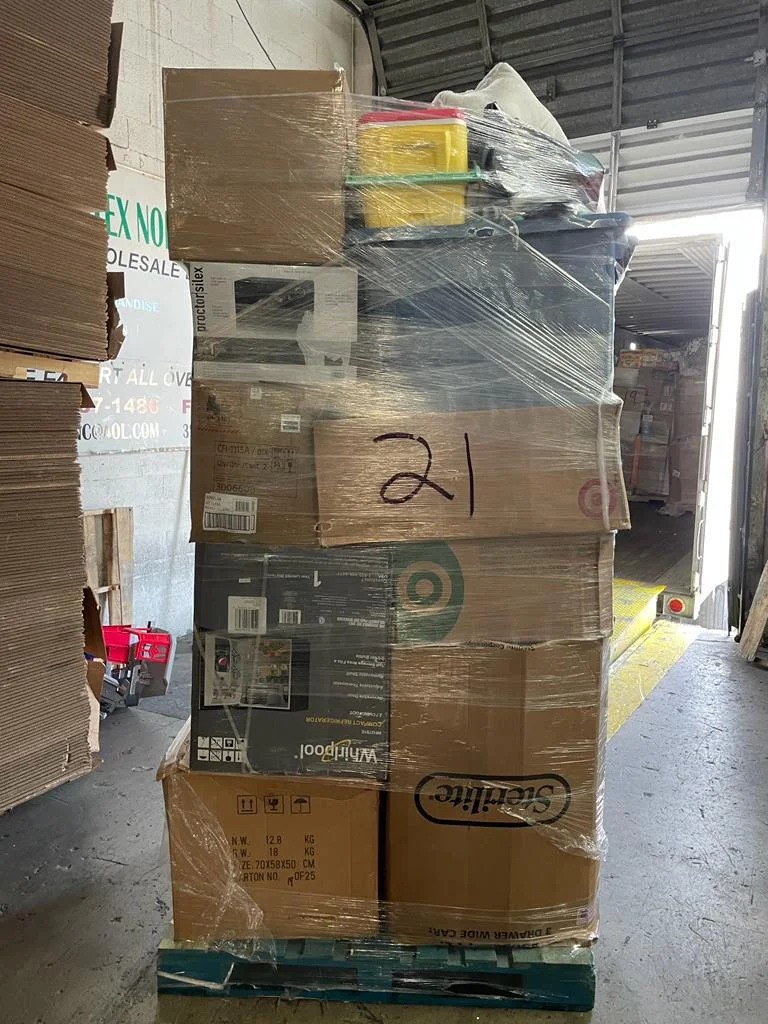
Target Pallets for Sale: The Smart Way to Score Big on Tools Target pallets for sale are bulk lots of tools and equipment sourced from liquidation, overstock, or returned inventory. They let resellers, contractors, and DIY enthusiasts stock up on name-brand tools — think DeWalt, Milwaukee, and Ryobi — at a fraction of retail price. Tool-pallets.com offers a wide selection of competitively priced tool pallets shipped across the US and UK. You know that feeling when you need a solid set of tools but every hardware store wants full retail price — and your wallet has other plans? Yeah. We’ve all been there. Whether you’re a contractor trying to keep job costs down, a small business owner looking to expand your inventory, or just a hardcore DIY person who wants more tools for less money, paying full price for every single item adds up fast. That’s exactly the problem that target pallets for sale are designed to solve. And once you discover how this works, it’s genuinely hard to go back. What Are Target Pallets for Sale — and Why Does Everyone Love Them? So, what exactly is a tool pallet? Simply put, it’s a bulk lot of tools sold together — usually sourced from excess inventory, overstock, or liquidation sales. Retailers like Target end up with returned, surplus, or shelf-pull merchandise that needs to move fast. Rather than selling each item individually, this inventory is bundled onto pallets and sold at deeply discounted prices. These pallets can include power tools, hand tools, outdoor equipment, pressure washers, generators, and more. Brands like DeWalt, Milwaukee, Ryobi, and Ridgid are commonly found in these lots — the same tools that sell for hundreds of dollars individually at retail stores. The appeal is simple: you get a lot of tools for a lot less money. For resellers, that gap between what you pay and what you sell for is pure profit. For contractors and businesses, it means stocking up on quality gear without blowing the budget. The Story Behind Tool Pallets (And Why We Built Tool-Pallets.com) The liquidation industry has existed for decades, but access to it was long restricted to large businesses with warehousing space and industry contacts. Small resellers, independent contractors, and everyday buyers were largely left out. Tool-pallets.com was built to change that. The goal was straightforward: make it easy for anyone — from a solo contractor to a growing resale business — to access wholesale tool pallets without the usual barriers. No middlemen. No confusing auctions. Just well-priced, clearly listed pallets available to order directly. Today, tool-pallets.com serves buyers across the United States and United Kingdom, offering everything from single loose tool pallets to large wholesale lots for businesses buying in bulk. 4 Key Features That Make These Tool Pallets Worth It 1. Name-Brand Tools at Wholesale Prices The pallets available at tool-pallets.com feature tools from some of the most trusted names in the industry. A Ridgid Tool Pallet, for example, is listed at $2,000 — down from an original price of $3,650. A DeWalt Mixed Tool Pallet is available for $1,400, originally $1,950. These aren’t off-brand knockoffs. These are professional-grade tools that tradespeople rely on every single day. 2. A Wide Variety of Pallet Types Different buyers have different needs, and the selection reflects that. Options currently include: This variety means target pallets for sale can be matched to your specific niche, rather than forcing you to take whatever comes. 3. Wholesale Buying Options for Businesses Businesses that need to buy in larger volumes are well catered for. Wholesale tool pallets are available with competitive bulk pricing — particularly useful for retail businesses, tool rental companies, or resellers who move inventory quickly. Bulk purchasing lowers the per-unit cost even further, which directly improves margin. 4. Transparent Listings and Real Customer Reviews One of the biggest concerns with liquidation buying is not knowing what you’re getting. Tool-pallets.com addresses this with clearly described listings and genuine customer ratings. The Home Depot Tool Pallets listing, for instance, carries a 4.47 out of 5 rating based on 19 customer reviews. The Outdoor Power Equipment Pallet holds a 4.46 rating from 13 reviewers. That kind of social proof matters — especially when you’re spending hundreds or thousands of dollars on bulk inventory. Who Are Target Pallets for Sale Perfect For? Honestly? More people than you might expect. Here’s a breakdown: As one verified buyer, Mark S., put it: “I’ve been buying tool pallets for my small business for the past few months, and I’m really impressed with the quality and selection from tool-pallets.com. I’ve saved so much compared to buying individual items at full price.” If any of those descriptions sound like you, target pallets for sale are absolutely worth exploring. You can browse the full shop at tool-pallets.com to see what’s currently available. Ready to Start Buying Tool Pallets? The math on target pallets for sale is hard to argue with. Quality tools from trusted brands, available at wholesale prices, with transparent listings and real buyer reviews — it’s a genuinely smarter way to buy tools whether you’re building a resale business or just building something in your garage. Check out the full range of available pallets at tool-pallets.com and find the option that fits your budget and needs. New stock is added regularly, so it’s worth checking back often. For those interested in reselling, sites like Liquidation.com and the National Association of Resale Professionals offer additional resources on building a successful resale operation. Frequently Asked Questions What types of tools are typically included in target pallets for sale? Target pallets for sale generally include a mix of power tools, hand tools, and outdoor equipment. Common items found in these pallets include drills, wrenches, screwdrivers, pressure washers, gas blowers, and generators. Brand names like DeWalt, Milwaukee, Ryobi, and Ridgid are frequently represented. The exact contents can vary by pallet type, so reviewing the product listing before purchasing is always recommended. Are tool pallets a good investment for resellers? Yes — tool
Milwaukee Tool Pallets: Complete Buying Guide
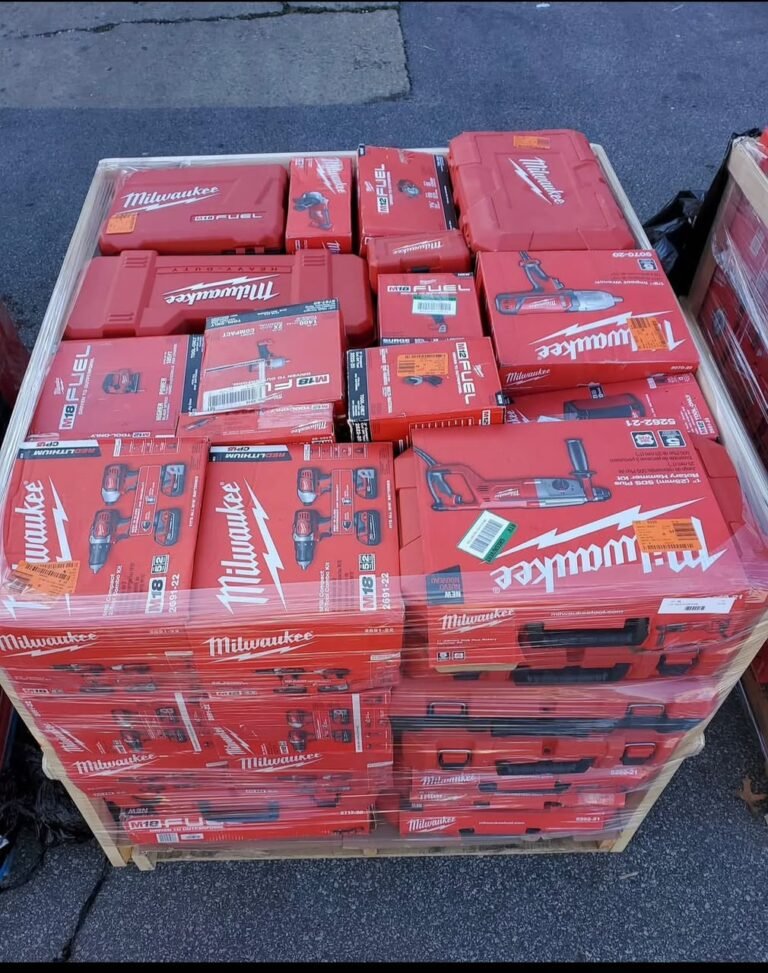
Milwaukee tools have a reputation that speaks for itself. Durable, powerful, and built for serious work — they’re the brand contractors, electricians, and tradespeople swear by. But buying Milwaukee tools one at a time at full retail price? That adds up fast. That’s where Milwaukee tool pallets come in. A Milwaukee tool pallet is a bulk lot of Milwaukee-branded tools — drills, impact drivers, grinders, and more — sold together at a fraction of their combined retail value. These pallets are sourced from overstock, liquidation, or customer returns, and they represent one of the best-kept secrets in the trades and resale world. Whether you’re a contractor looking to stock up, a reseller hunting for margin, or a DIY enthusiast who just wants professional-grade tools without the professional-grade price tag, Milwaukee tool pallets are worth knowing about. This post breaks down what they are, why they exist, what makes them genuinely useful, and who they’re best suited for. The Problem Milwaukee Tool Pallets Actually Solve “I need quality tools — but I can’t justify retail prices for everything.” Sound familiar? Most people who work with tools professionally face the same tension: Milwaukee quality is unmatched, but equipping a full crew or restocking after a job loss can cost thousands of dollars at standard retail. For resellers, buying individual units eats into margin before you’ve even made a sale. Milwaukee tool pallets solve this by letting buyers access premium tools in bulk — at prices well below what you’d pay item by item. Instead of spending $300 on a single drill, a Milwaukee tool pallet can deliver a full assortment of power tools for a fraction of the per-unit cost. The savings are real, and for the right buyer, the value is hard to beat. Why Milwaukee Tool Pallets Exist The story behind liquidation and overstock pallets Here’s something most people don’t realize: large retailers and distributors regularly end up with more Milwaukee inventory than they can sell. Seasonal shifts, store closures, returned items, and supply chain overruns all create surplus stock. That surplus has to go somewhere. Rather than letting it sit in a warehouse, that inventory is bundled into pallets and sold through liquidation channels — often at 40% to 60% below retail value. At tool-pallets.com, Milwaukee tool pallets are sourced through exactly these channels, giving buyers access to genuine Milwaukee tools at genuinely reduced prices. Some pallets are made up of overstock — brand new, never-touched items. Others are return pallets that may be untested or lightly used. The key is knowing what you’re buying, which is why manifested pallets (more on that below) are so valuable. 4 Features That Make Milwaukee Tool Pallets Worth Buying 1. Deep Discounts on a Premium Brand Milwaukee tools aren’t cheap — and they’re not supposed to be. The M18 platform alone has over 175 compatible products, all built to handle demanding job site conditions. Getting access to that quality at liquidation prices is genuinely exciting. At tool-pallets.com, Milwaukee tool pallets are listed with their original retail value and current sale price side by side. For example, a Milwaukee Tools Pallet originally priced at $2,160 is available for $1,800 — and a Milwaukee Tool Liquidation Pallet drops from $2,800 down to $1,800. That’s real money saved on real tools. 2. Manifested Pallets = No Surprises One of the biggest concerns with liquidation buying is not knowing what you’re getting. Manifested Milwaukee pallets solve this. A manifested pallet comes with an itemized list of exactly what’s inside — every tool, every SKU, accounted for before you buy. This is a big deal. It means you can calculate resale value before committing, compare pallet contents to your specific needs, and avoid the frustration of receiving tools you can’t use. For resellers especially, manifested Milwaukee pallets at tool-pallets.com take a lot of the guesswork out of the process. 3. Multiple Pallet Types for Different Buyers Not every buyer has the same need, and Milwaukee tool pallets come in several formats to reflect that: Having options means you can match the pallet type to your budget, risk tolerance, and intended use. 4. Wholesale Pricing for Bulk Orders For businesses buying regularly, wholesale Milwaukee tool pallets offer a sustainable sourcing model. Rather than hunting for deals one at a time, wholesale buyers can establish a consistent supply of tools at predictable price points. Tool-pallets.com offers wholesale pricing options for businesses and individuals buying in bulk — making it easier to plan inventory and protect margins. Who Are Milwaukee Tool Pallets Perfect For? Milwaukee tool pallets aren’t for everyone — but for the right buyer, they’re a game changer. Here’s who benefits most: #### Contractors and Tradespeople If you run a crew and tools get lost, damaged, or worn out regularly, buying Milwaukee tool pallets is a cost-effective way to keep everyone equipped. You get the brand quality your team already trusts, at a price that doesn’t hurt the budget. #### Resellers and Flea Market Vendors Milwaukee is a brand that sells itself. Resellers who source Milwaukee tool pallets can break them down, sell tools individually, and generate solid margins — especially with manifested pallets where the per-unit value is already known before purchase. #### Small Business Owners Hardware stores, tool rental shops, and tradespeople running small businesses can use Milwaukee tool pallets to stock inventory at a lower upfront cost. It’s a smarter entry point than buying retail, particularly for businesses just getting started. #### Serious DIYers If you’re constantly taking on home improvement projects and you want Milwaukee quality without paying full price for every tool, a Milwaukee tool pallet — especially a returns or overstock pallet — can give you far more than you’d get spending the same amount at a big-box store. Where to Buy Milwaukee Tool Pallets Tool-pallets.com is a dedicated source for Milwaukee tool pallets, offering a range of options across different price points, pallet types, and quantity tiers. Current listings include everything from Milwaukee Tool Returns Pallets and Milwaukee Overstock Pallets
DeWalt Tools Wholesale Pallet
DeWalt Tools Wholesale Pallet: The Deal Every Tool Lover Has Been Waiting For The Problem Every Reseller and DIY Fan Knows Too Well Let’s be honest, buying tools one at a time is exhausting. A drill here, a saw there, and before long, hundreds of dollars have been spent without much to show for it. This exact frustration is felt by resellers, contractors, and hobbyists across the U.S.A and U.K every single day. Retail prices are inflated, shelves are picked over, and the “best deals” online often turn out to be anything but. This is exactly where a dewalt tools wholesale pallet comes in. Instead of chasing individual listings, a whole pallet packed with genuine DeWalt gear can be secured in one go. For those ready to browse current inventory, options can be explored directly on Tool Pallets. Bulk buying isn’t just for big-box stores anymore, it’s become the smartest move for anyone who wants premium tools without the premium price tag. The Story Behind the Product This idea wasn’t dreamed up in a boardroom. It was born out of real frustration felt by small resale businesses and weekend warriors who kept getting priced out of quality tools. Warehouses were seen sitting on customer returns, overstock, and shelf-pulls from major retailers, and a simple question was asked: why should all that value go to waste? That question sparked the mission behind sourcing and reselling a dewalt tools wholesale pallet to everyday buyers. Partnerships were formed with liquidators and distributors across the U.S.A and U.K, and processes were built to sort, inspect, and bundle DeWalt tools into pallets that actually make sense for buyers. What started as a small operation has since grown into a trusted source for flippers, tradespeople, and tool enthusiasts who want more bang for their buck. What Makes These Pallets Worth Getting Excited About 1. Real Savings That Actually Add Up When tools are purchased individually, money is bled out fast. With a dewalt tools wholesale pallet, dozens of items are secured at a fraction of retail cost. That means more tools are put in hands (or sold on shelves) for way less cash out of pocket. 2. Variety That Keeps Things Interesting No two pallets are exactly alike, and that’s part of the fun. Drills, saws, sanders, impact drivers, and accessories are often found mixed together in a single load. This variety is loved by resellers because it means multiple product listings can be created from one purchase, and it’s loved by DIYers because a full toolkit can be built overnight. 3. Trusted Brand Power DeWalt has built a reputation over decades for durability and performance. That trust is baked right into every pallet, and it’s a reputation backed up by the brand’s own official product lineup, which is trusted by professionals worldwide. Whether tools are being resold or used personally, buyers know a name that customers already recognize and respect is being sold. 4. A Business Opportunity in a Box For many, a dewalt tools wholesale pallet isn’t just about the tools; it’s about the hustle. Pallets are flipped on marketplaces like eBay, Facebook Marketplace, and local classifieds every day, with solid profit margins being made simply because the sourcing legwork has already been done. Who This Is Perfect For This kind of pallet deal isn’t for everyone, but for the right person, it’s a total game-changer. Basically, if tools are needed (or sold) in any capacity, this is where serious value is going to be found. Frequently Asked Questions Is everything in a wholesale pallet guaranteed to work? Not always, and that’s part of what makes these pallets such a good deal. Items are typically a mix of new, open-box, and customer-return products, so some testing or minor repair should be expected. Because pallets are priced so far below retail, even a few non-working items still leave plenty of value on the table. Are these pallets available for buyers outside the U.S.A? Yes, pallets are regularly shipped to buyers across the U.K as well as the U.S.A. Shipping costs and delivery windows can vary depending on location, so it’s always a good idea to confirm details with the seller before checkout. How much can realistically be saved by buying this way? Savings will vary from pallet to pallet, but discounts of 50% or more off combined retail value are commonly reported by buyers. Because pricing is based on liquidation value rather than retail markup, the more tools included in a pallet, the more value is generally packed in per dollar spent. Final Thoughts A dewalt tools wholesale pallet isn’t just a purchase, it’s an opportunity. Whether the goal is building a home workshop, stocking a resale business, or simply scoring a great deal on trusted tools, this kind of bulk buy delivers value that’s hard to match anywhere else. Available pallets can be checked out anytime at Tool Pallets. So next time individual tool prices start feeling out of reach, a full pallet might just be the smarter move.