
Manifested vs Blind Liquidation Pallets: What’s the Difference?
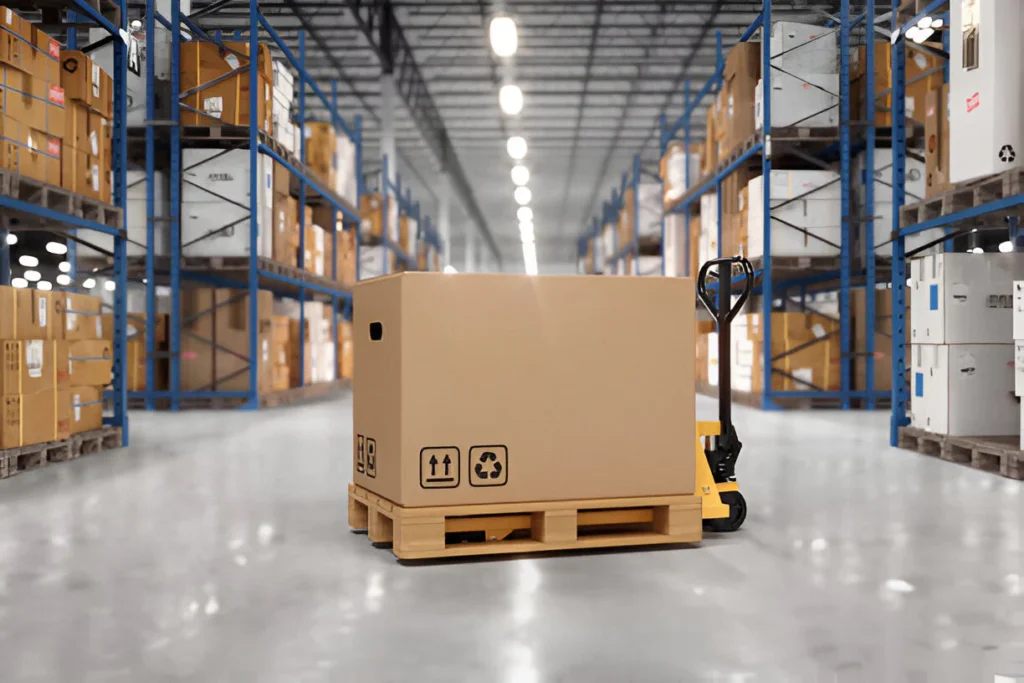
Manifest vs Blind Liquidation Pallets: What’s the Difference? Manifest liquidation pallets come with a detailed inventory list, while blind liquidation pallets do not. This single distinction shapes your risk exposure, upfront cost, profit potential, and how much time you’ll spend sorting inventory—making it one of the most consequential decisions a reseller will face. When buying liquidation tool pallets—especially from major retailers like Home Depot—buyers typically encounter these two main options. Understanding the difference between manifest and blind liquidation can significantly impact your profit margins, risk tolerance, and overall resale strategy. Here’s a clear breakdown of both methods so you can make smarter sourcing decisions. What Is Manifest Liquidation? Manifest liquidation means the buyer receives a detailed inventory list—called a manifest—before purchasing the pallet. This document typically includes product names, quantities, retail prices (MSRP), and sometimes condition notes. Manifest pallets offer transparency and predictability, making them a preferred starting point for new resellers or those managing category-specific inventory such as Home Depot tool pallets or brand-specific lots like Manifested Milwaukee Pallets. Key Benefits of Manifest Liquidation Transparency: Buyers know exactly what they’re purchasing—no guesswork involved. Better Profit Planning: Calculate potential ROI using the listed MSRP and estimated resale values before committing. Targeted Sourcing: Ideal for resellers who specialize in specific categories like power tools, plumbing supplies, or home improvement items. Things to Consider Higher Cost: Because manifest pallets carry reduced risk, they are typically priced higher than blind alternatives. Competition: Popular, high-value manifests are often acquired quickly by experienced resellers. Best for: Beginners, cautious buyers, and anyone focused on consistent, predictable returns. What Is Blind Liquidation? Blind liquidation—also called unmanifested or mystery pallets—means buyers purchase inventory without a detailed list of its contents. Buyers may receive a general product category (e.g., tools or appliances), but no item-level specifics. Blind pallets are better suited for experienced resellers who have efficient sorting and testing systems already in place. For example, buyers comfortable evaluating loose tool pallets or mixed outdoor tool pallets tend to perform well with this approach. Key Benefits of Blind Liquidation Lower Purchase Price: Higher risk is typically offset by a lower upfront cost and potentially higher margins. Hidden Gems: High-value items not reflected in the pallet price can significantly boost ROI. Less Competition: Fewer buyers are willing to take on the uncertainty, which means less competition at the point of purchase. Risks Involved Uncertainty: Buyers could receive low-demand, damaged, or unsellable goods. Time Investment: Sorting, testing, and evaluating items takes considerably longer than with manifest pallets. Inconsistent Returns: Profitability varies from pallet to pallet, making revenue forecasting difficult. Best for: Experienced resellers who are comfortable with risk and have established systems for handling mixed or unknown inventory. Manifest vs Blind Liquidation Pallets: Side-by-Side Comparison Feature Manifest Liquidation Blind Liquidation Inventory Visibility Full list provided No detailed list Risk Level Low to moderate High Cost Higher upfront Lower upfront Profit Potential Predictable Potentially higher Time Required Minimal sorting Extensive sorting/testing Which Liquidation Method Should You Choose? The right choice between manifest and blind liquidation depends on your experience level, budget, and operational capacity—not just your risk appetite. Manifest liquidation is better suited for beginners, resellers managing tight budgets, or anyone who needs reliable, consistent inventory flow. Blind liquidation works best when the buyer has experience evaluating unknown inventory, a system for processing mixed lots efficiently, and an appetite for higher risk in exchange for higher potential reward. Many successful resellers apply a hybrid strategy—purchasing manifest pallets for steady, predictable income while occasionally investing in blind pallets for high-risk, high-reward opportunities. According to B-Stock, one of the largest B2B liquidation marketplaces, diversifying sourcing strategies is a common trait among top-performing resellers. What to Look for When Buying Liquidation Pallets Regardless of which method you choose—manifest or blind—always evaluate the following before purchasing: Shipping Costs: Factor freight into your total cost of goods to accurately estimate margins. Item Condition: Understand whether goods are customer returns, overstock, or shelf pulls, as condition directly impacts resale value. Local Market Demand: Research what sells well in your area or on your primary resale platform (e.g., eBay, Facebook Marketplace, or local auctions). Pallet Category: Specialized pallets—such as wholesale tool pallets or generator pallets—often yield stronger margins than general merchandise lots. For a broader overview of how major retailers manage excess inventory, Investopedia’s guide to liquidation provides a reliable reference. Resellers looking to benchmark pricing and sourcing strategies can also consult Direct Liquidation, a platform that publishes category-level pricing data across retail return lots. Frequently Asked Questions About Manifest vs Blind Liquidation Pallets Q: Is manifest liquidation always more expensive than blind liquidation?Generally, yes. Manifest pallets carry a premium because buyers assume less risk. However, the price gap varies by category and supplier. High-demand categories like branded power tools—such as DeWalt mix tool pallets or Milwaukee tool pallets—can command significantly higher manifest prices compared to general merchandise. Q: Can I request a manifest for a blind pallet after purchasing?No. By definition, blind pallets do not come with an inventory manifest. The absence of a list is a core feature—and risk—of blind liquidation. If a supplier offers post-purchase manifests, the listing should be re-classified as a manifest pallet. Q: Where can I find trusted liquidation pallets for resale?Reputable sources include direct liquidation platforms, retail-specific auction sites, and specialty suppliers. Tool-pallets.com offers a curated range of tool liquidation pallets across both manifested and unmanifested categories—including Ridgid tool pallets, Milwaukee overstock pallets, and mixed Milwaukee & DeWalt pallets—making it a practical starting point for resellers at any experience level. Q: What is the difference between a blind pallet and a mystery pallet?Blind pallets and mystery pallets are the same thing. Both terms refer to liquidation inventory sold without an itemized manifest. The terminology varies by supplier and platform, but the core characteristic—no pre-purchase inventory list—remains consistent across both descriptions. Q: Are blind liquidation pallets worth it for beginners?Blind pallets carry a higher risk of receiving unsellable or low-demand goods, which makes them a poor fit for most beginners. New resellers
Craftsman Tools Pallet Liquidation – Unbeatable Deals for Quality Tools
Craftsman Tools Pallet Liquidation – Wholesale Prices on Quality Hand & Power Tools The Craftsman Tools Pallet Liquidation from Tool-Pallets.com is a bulk buying opportunity that gives DIY enthusiasts, contractors, and resellers access to a curated mix of Craftsman hand tools, power tools, and workshop accessories—at a fraction of retail cost. Each pallet is inspected for quality before shipping, making it a reliable, cost-effective way to stock or upgrade a workshop. What Is a Craftsman Tools Liquidation Pallet? A Craftsman Tools Liquidation Pallet is a bulk bundle of surplus or overstock Craftsman tools sold together at a significantly reduced wholesale price. Each pallet typically includes a mix of hand tools, power tools, and workshop accessories sourced from excess inventory. Buyers receive more tools per dollar compared to purchasing items individually at retail. According to industry liquidation standards, pallets sourced from overstock or surplus sales can offer savings of 40–70% compared to standard retail pricing—making them a smart investment for resellers and workshop owners alike. Key Features of the Craftsman Tools Liquidation Pallet Assorted Craftsman Tools: Each pallet includes a curated mix of hand tools, power tools, and essential workshop accessories, allowing you to expand your toolkit instantly. Trusted Brand Quality: Craftsman is a widely recognized name known for durable, precision-engineered tools built to last. According to Consumer Reports, Craftsman consistently ranks among the top tool brands for reliability and value. Significant Cost Savings: Purchasing a liquidation pallet delivers major savings compared to buying tools individually—a smart investment whether you’re outfitting a new workshop or restocking inventory. Flexible Use Cases: Suitable for personal workshop use, small business stocking, or resale. Each pallet is ready to use or resell upon arrival. Inspected Before Shipping: Tool-Pallets.com carefully inspects each pallet to ensure quality and consistency, with transparent shipping and handling so your order arrives safely. Who Should Buy a Craftsman Tools Liquidation Pallet? Craftsman Tools Liquidation Pallets are well-suited for several types of buyers: DIY enthusiasts who want variety and quality without overspending on individual tools Small business owners looking to stock up on professional-grade tools at wholesale prices Contractors and tradespeople seeking reliable branded tools at reduced cost Resellers and entrepreneurs who want to flip tools individually or bundle them into packages for profit Collectors and hobbyists seeking trusted, branded items at unbeatable prices If you are a reseller specifically, browse Tool-Pallets.com’s full range of tool liquidation pallets to find the right bulk option for your business model. Why Buy From Tool-Pallets.com? Tool-Pallets.com specializes in premium wholesale tool pallets sourced from surplus and overstock inventory. Here is what sets Tool-Pallets.com apart from other liquidation suppliers: Quality-inspected pallets before every shipment Transparent shipping and handling so buyers know exactly what to expect Wide selection of branded tool pallets, including Milwaukee tool pallets, DeWalt mix pallets, and Home Depot tool pallets Wholesale pricing available for bulk buyers and businesses For buyers comparing options, platforms like B-Stock and BULQ also list liquidation tool pallets—but Tool-Pallets.com differentiates itself through hands-on inspection and consistent pallet quality. How to Get the Most Value From a Liquidation Pallet To maximize your return from a Craftsman Tools Liquidation Pallet, consider the following: Assess your needs first – Determine whether you need hand tools, power tools, or a general mix before purchasing. Plan for resale – If reselling, research current market prices on platforms like eBay or Facebook Marketplace to estimate profit margins. Check pallet manifests when available – Manifested pallets list contents upfront, reducing uncertainty. Browse manifested Milwaukee pallets as a comparable reference. Factor in shipping costs – Always account for shipping when calculating your total cost per unit. Buy in bulk for bigger savings – Consider wholesale tool pallets if you need higher volume at lower per-unit cost. Frequently Asked Questions Q: What types of tools are typically included in a Craftsman liquidation pallet?A: Craftsman liquidation pallets generally include a mix of hand tools (such as wrenches, screwdrivers, and pliers), power tools (such as drills and sanders), and workshop accessories. The exact contents vary by pallet, as items are sourced from surplus and overstock inventory. Q: Are the tools in a liquidation pallet new or used?A: Liquidation pallets can contain a mix of new, open-box, and returned items. Tool-Pallets.com inspects each pallet before shipping to ensure buyers receive consistent quality. For fully new overstock items, check listings labeled as overstock pallets specifically. Q: Can I resell tools from a Craftsman liquidation pallet for profit?A: Yes. Many buyers purchase liquidation pallets specifically to resell tools individually on platforms like eBay, Amazon, or Facebook Marketplace, or to bundle items into retail packages. Buying at wholesale liquidation prices creates a margin opportunity compared to standard retail. Q: How does a Craftsman pallet compare to other brand pallets available at Tool-Pallets.com?A: Craftsman pallets are best suited for buyers who prioritize brand recognition and general-purpose workshop tools. Buyers focused on heavy-duty contractor or jobsite tools may prefer Milwaukee tool pallets or DeWalt mix pallets, which tend to include more power-tool-heavy assortments. Q: How do I order a Craftsman Tools Pallet from Tool-Pallets.com?A: Visit Tool-Pallets.com, browse the available pallet listings, and add your chosen pallet to the cart. The site offers transparent shipping details at checkout so you can confirm total costs
Are The Tool Pallet Sales Legit
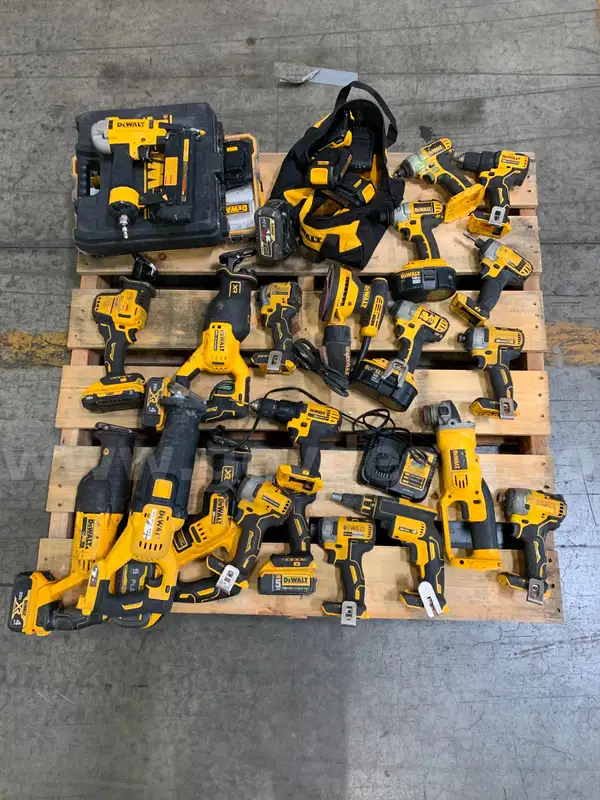
Are Tool Pallet Sales Legit? What Buyers Need to Know Yes — tool pallet sales are legitimate when purchased from a reputable liquidation or wholesale supplier. The key is knowing how to identify trustworthy sellers, what red flags to avoid, and what to expect before you buy. This guide breaks down everything buyers need to know about the legitimacy of tool pallet sales, including how to spot scams and where to find verified deals. What Are Tool Pallet Sales? Tool pallet sales involve buying pallets of new, overstocked, returned, refurbished, or surplus tools in bulk. Because suppliers are clearing inventory — from returns, excess stock, or liquidation — they offer these pallets at deep discounts compared to retail prices. For buyers who don’t mind the variety or condition mix, this can be an excellent way to score quality tools at a fraction of the cost. A typical tool pallet for sale can contain a mix of: Hand tools Power tools Branded drill sets Saws, wrenches, and sockets Tool storage and accessories Buyers range from contractors and resellers to DIY enthusiasts looking to maximize their budget. Platforms like tool-pallets.com offer verified wholesale and liquidation pallets across a wide range of brands and categories — including DeWalt mix pallets, Ridgid tool pallets, and Milwaukee liquidation pallets. Why Are Tool Pallet Sales Legit? Tool pallet sales are legitimate because they operate within a well-established secondary market where liquidation companies purchase surplus or returned inventory from major retailers and resell it in bulk. Here’s why reputable sales hold up to scrutiny: 1. Authentic Suppliers & Liquidation Companies Many reputable liquidation companies specialize in selling pallets of tools sourced from major retailers. These businesses have operated for years and sell legitimate inventory — tools that simply didn’t sell at big-box stores or were returned by customers. According to industry norms in the liquidation market, these are considered standard secondary-market transactions. 2. Bulk Purchasing Means Big Savings Buying pallets — often dozens of items at once — unlocks savings that aren’t possible when purchasing tools individually. Contractors, resellers, and DIYers regularly take advantage of wholesale tool pallets to stretch their budget without sacrificing quality. 3. Traceable Product Sources Reputable pallet sellers will clearly disclose where their inventory comes from, such as: Retail returns Overstock shipments Warehouse clearance Customer returns that are still usable This level of transparency builds trust and is one of the clearest indicators that a sale is not a scam. Established liquidation platforms such as B-Stock and Liquidity Services further demonstrate how mature and well-regulated this market has become. Red Flags to Watch for Before Buying Tool Pallets Not all tool pallet offers are created equal. Be cautious of the following warning signs: Unrealistic PricesIf a pallet’s price seems too good to be true, it probably is. Scammers often lure buyers with artificially low costs to collect payment and disappear. No Contact InformationLegitimate sellers provide a business address, phone number, and customer support channel. If this information is missing or difficult to find, think twice before handing over any payment. Poor Reviews or No FeedbackAlways check for reviews on independent platforms before committing. A seller with no reviews — or a pattern of negative feedback — is a significant warning sign. How to Ensure You’re Buying Legit Tool Pallet Deals To safely purchase tool pallet deals, buyers should verify inventory manifests, confirm return policies, use secure payment methods, and read independent customer reviews before committing to any purchase. 1. Ask for Detailed Inventory Lists A trustworthy seller will readily provide a manifest — a detailed list of what’s on the pallet, including brands and approximate quantities. If they refuse or give vague answers, proceed with caution. Manifested pallets, like those available through tool-pallets.com, offer full transparency before you buy. 2. Check Return Policies Legitimate pallet sales often come with return options or guarantees if the contents aren’t as described. Always confirm the return policy before completing your purchase. 3. Look for Secure Payment Options Use payment platforms that offer fraud protection. Avoid sellers that insist on wire transfers or untraceable payment methods — these are common tactics used in pallet scams. 4. Read Customer Reviews Look beyond star ratings. Read what previous buyers say about delivery speed, pallet contents, and overall reliability. For example, verified buyers on tool-pallets.com consistently highlight fast shipping, well-packaged pallets, and accurate product descriptions. Who Buys Tool Pallets — and Why? Tool liquidation pallets attract a wide range of buyers, each with distinct goals: Contractors looking to reduce supply costs without compromising on quality Resellers who purchase pallets and sell tools individually for a profit Small business owners stocking inventory at wholesale prices DIY enthusiasts building out a personal workshop on a budget For resellers in particular, tool pallets for resale can deliver strong profit margins — especially when sourced from manifested, branded lots featuring tools from DeWalt, Milwaukee, Ridgid, or Ryobi. Tool pallets are better suited for buyers who are comfortable with mixed inventory and variable conditions, while individually sourced tools work best when a specific model or specification is required. Are Tool Pallet Sales Legit? — The Final Verdict Yes — tool pallet sales are completely legitimate and a smart way to acquire quality tools at significant discounts. When buying from reputable liquidation companies with transparent business practices, detailed inventory manifests, and solid customer feedback, buyers gain access to real value that savvy professionals and bargain hunters rely on. That said, the market also includes bad actors. Due diligence is essential. Vet sellers carefully, understand what you’re purchasing, and protect yourself with secure payment methods and clear return policies. When done right, wholesale tool pallets can be a genuine game-changer for your workshop, business, or next big project — just shop smart. Frequently Asked Questions Q: Are tool pallet sales legal?Yes, tool pallet sales are legal. They operate within the standard secondary market, where liquidation companies purchase surplus or returned inventory from retailers and resell it in bulk. These are lawful commercial transactions commonly used by