
Makita Cordless Pressure Washer
Makita Cordless Pressure Washer: Is It Worth Buying? The Makita cordless pressure washer is a portable, battery-powered cleaning tool that delivers solid performance for light-to-medium outdoor tasks. Makita cordless pressure washers run on the 18V LXT or 40V Max XGT battery platforms, making them a strong choice for homeowners already invested in the Makita ecosystem. If you’ve ever dragged a gas-powered pressure washer out of the garage—wrestling with an extension cord, tripping over a hose, or hunting for a power outlet—you already understand the appeal of going cordless. Makita has built a reputation over decades for making professional-grade tools that tradespeople and homeowners trust, and their cordless pressure washers are no exception. This guide covers everything you need to know about Makita cordless pressure washers: how they perform, which models are available, what they can and can’t handle, and whether one deserves a spot in your tool collection. What Makes Makita Cordless Pressure Washers Different? Makita cordless pressure washers run on either the 18V LXT or 40V Max XGT lithium-ion battery platforms—the same platforms that power hundreds of other Makita tools. That compatibility is a major selling point. If you already own Makita drills, saws, or outdoor equipment, there’s a good chance you can power a Makita pressure washer without buying a new battery. Unlike gas-powered units that require fuel mixing, oil checks, and engine maintenance, Makita’s cordless models are ready to go in seconds. No cords, no fumes, no pull-start frustration. Which Makita Cordless Pressure Washer Models Are Available? Makita offers several cordless pressure washer options across different battery platforms. Here’s a breakdown of the most notable models: Makita 18V LXT Pressure Washer (DHW080) The DHW080 runs on two 18V LXT batteries (36V total) and delivers up to 580 PSI of water pressure with a flow rate of around 0.26 GPM. It’s compact, lightweight, and designed for residential cleaning tasks like: At roughly 14 lbs (without batteries), it’s one of the most portable pressure washers on the market. Makita 40V Max XGT Pressure Washer (HW001G) For users who need more power, the HW001G runs on a single 40V Max XGT battery and delivers approximately 870 PSI—a meaningful step up from the 18V model. This makes it more suitable for: The XGT platform is Makita’s newer, more powerful battery system, and the HW001G is built to take full advantage of it. How Much Pressure Do You Actually Need? PSI (pounds per square inch) measures the force of the water. Understanding what PSI you need helps set realistic expectations before you buy. The Makita 18V model sits in the 500–600 PSI range, and the 40V model pushes toward 900 PSI. Both fall comfortably in the residential and light-duty segment. For heavy concrete cleaning or stripping paint, a gas-powered or plug-in electric unit with 2,000+ PSI would be a better fit. What Are the Pros and Cons of Makita Cordless Pressure Washers? Pros Portability: No power outlet required. Makita cordless pressure washers are genuinely useful in driveways, gardens, campsites, or on boats—anywhere a cord can’t reach. Battery compatibility: Compatible with Makita’s broader 18V LXT and 40V XGT tool ranges, which reduces the cost if you already own compatible batteries. Low maintenance: No engine, no oil, no fuel. Makita cordless pressure washers require far less upkeep than gas alternatives. Quiet operation: These units run significantly quieter than gas-powered models, which matters in residential neighborhoods or early-morning cleaning sessions. Compact design: Most Makita cordless pressure washers are lightweight and easy to store, with no bulky engine compartment. Cons Limited run time: Battery life is the biggest constraint. Depending on the battery size and pressure setting used, run times typically range from 15 to 30 minutes per charge cycle. For large-scale jobs, you’ll want spare batteries on hand. Lower PSI than gas or corded models: Makita cordless pressure washers aren’t built for heavy-duty stripping or commercial cleaning. Users with tough, high-volume jobs may find the pressure insufficient. Higher upfront cost: Cordless pressure washers often cost more than comparable corded electric models, especially when purchased as a kit with batteries. How Long Does the Battery Last on a Makita Cordless Pressure Washer? Battery life varies based on the battery capacity (measured in amp-hours, or Ah) and the pressure setting used. As a general guide: For most quick cleaning sessions—rinsing a car, hosing down patio furniture, or cleaning garden tools—that’s sufficient. Larger jobs may require rotating between two charged batteries. Is a Makita Cordless Pressure Washer Good for Washing Cars? Yes, and it’s one of the best use cases for this tool. Car washing requires gentle-to-moderate pressure (typically 500–900 PSI) to avoid damaging paint, trim, or seals. The Makita 18V model’s 580 PSI is well within that range, making it a safe and effective option for vehicle cleaning. The compact size and battery operation also make it convenient for washing cars in a garage or driveway without running a hose across the yard or dragging an extension cord. Makita Cordless Pressure Washer vs. Corded Electric: Which Should You Choose? Choose a Makita cordless pressure washer if: Choose a corded electric pressure washer if: Is the Makita Cordless Pressure Washer Worth the Price? For the right user, yes. Makita cordless pressure washers deliver genuine convenience, solid build quality, and reliable performance for residential cleaning tasks. The value proposition is strongest for homeowners already using Makita tools—the battery compatibility alone can offset a significant portion of the cost. For users starting from scratch, the kit price (including batteries and charger) can feel steep compared to a basic corded electric washer. Weigh the portability benefits against your actual cleaning needs before committing. Make the Right Call Before You Buy Makita cordless pressure washers occupy a clear niche: portable, easy-to-use, and well-suited to light residential cleaning. They won’t replace a high-powered gas unit for serious work, but for car washing, garden maintenance, and quick exterior clean-ups, they perform exceptionally well. Before purchasing, confirm which battery platform you’re buying into, check whether a battery and charger are included, and consider your
Makita Pressure Washer
Makita Pressure Washer: Power, Portability, and Performance Explained The Makita pressure washer is a mid-range outdoor cleaning tool engineered to bridge the gap between underpowered consumer units and bulky industrial machines. It delivers forceful water pressure capable of removing grease, algae, and years of built-up grime — while remaining lightweight and easy to handle for everyday use. Whether you’re a homeowner tackling a grimy patio or a landscaper moving between job sites, the Makita pressure washer is built for serious results without the serious hassle. Why Choose a Makita Pressure Washer Over Other Brands? Makita’s pressure washer stands apart because it applies the same engineering standards used across its professional-grade power tool lineup to an outdoor cleaning context. Most budget washers lack the pressure output to handle stubborn stains, while industrial units are impractical for residential or light commercial use. The Makita pressure washer occupies a practical middle ground — robust enough for tough jobs, manageable enough for weekend tasks. Makita is a brand with decades of credibility in the power tool industry, trusted by tradespeople across the U.S. and UK. That same commitment to build quality and durability is evident in this machine. Key Features and Benefits 1. Pressure Output That Actually Gets Things Done The Makita pressure washer delivers a forceful blast capable of stripping away caked-on mud, oil stains, and years of outdoor neglect. Jobs that once felt endless — driveways, mossy walkways, mud-caked trucks — are wrapped up in a fraction of the time compared to a standard garden hose or low-pressure unit. 2. Built-to-Last Construction Durability is a core Makita principle, not an afterthought. The housing and components are engineered to withstand rough handling, accidental drops, and prolonged outdoor exposure. This makes the Makita pressure washer less of a seasonal gadget and more of a long-term investment in your cleaning toolkit. 3. Lightweight and Easy to Maneuver Despite its power output, the unit remains light enough to carry up steps, wheel around a driveway, or reposition mid-job without difficulty. Intuitive controls mean it’s ready to use straight out of the box — no manual required. 4. Versatile Cleaning Across Surfaces Adjustable pressure settings allow the Makita pressure washer to adapt to a wide range of surfaces and tasks, including: Concrete driveways and patios Timber decking and garden fences Cars, motorcycles, and bikes Outdoor furniture and BBQ grills Commercial vehicles and equipment This versatility means one machine can replace multiple specialized cleaning tools. Who Is the Makita Pressure Washer Best Suited For? The Makita pressure washer is best suited for homeowners and small business owners who need reliable, recurring cleaning performance without industrial-level complexity. Specifically: Homeowners who want a spotless exterior without spending a full weekend scrubbing by hand Landscapers and property managers who need dependable performance across multiple job sites Car detailers looking for a portable, high-pressure solution for vehicle cleaning Existing Makita tool users who want a pressure washer that matches the build quality they already trust If outdoor cleaning has historically felt like a chore rather than a satisfying result, the Makita pressure washer is a worthwhile upgrade. Where to Buy Makita Pressure Washers and Related Tool Bundles For those looking to purchase Makita tools — or expand their outdoor power equipment inventory at a lower cost — tool-pallets.com offers wholesale tool pallets that frequently include outdoor power equipment from leading brands. Their Outdoor Power Equipment Pallet and Mixed Outdoor Tool Pallet are practical options for resellers, contractors, and small businesses looking to stock up at competitive bulk prices. For buyers exploring multiple brands, the DeWalt Mixed Tool Pallet is also worth considering alongside Makita options. Frequently Asked Questions Q: What can a Makita pressure washer clean effectively?A Makita pressure washer is effective on driveways, patios, decking, vehicles, fencing, outdoor furniture, and commercial equipment. Its adjustable pressure settings allow it to handle both delicate surfaces and stubborn grime without switching machines. Q: Is a Makita pressure washer suitable for professional or commercial use?The Makita pressure washer is well-suited for light-to-medium commercial applications, including landscaping, car detailing, and property maintenance. It is not designed for continuous heavy-industrial use, but performs reliably across repeated professional jobs. Q: How does the Makita pressure washer compare to cheaper alternatives?Budget pressure washers typically lack the output pressure needed to remove oil stains, algae, or compacted dirt. The Makita pressure washer offers significantly more cleaning force and durability, making it more cost-effective over time despite a higher upfront price. Q: Where can I find Makita tools or outdoor power equipment in bulk?Tool-pallets.com offers wholesale and liquidation tool pallets that include outdoor power equipment from various brands. These bulk lots can be a cost-effective option for resellers or businesses looking to expand their inventory.
Dewalt Power Tool Deals
DeWalt Power Tool Deals: Why Your Garage Deserves an Upgrade This Year DeWalt power tool deals offer DIYers, tradespeople, and first-time homeowners a reliable path to professional-grade equipment at reduced prices. DeWalt consistently ranks among the top-performing power tool brands for durability and battery compatibility — making a well-timed deal an especially smart investment. Whether a drill has finally given out or a full toolkit refresh is overdue, knowing where to find legitimate DeWalt discounts — and when to act — can mean the difference between paying full retail and walking away with significant savings. What Makes DeWalt Power Tool Deals Worth Watching? DeWalt power tool deals stand out because the brand’s performance-to-price ratio is strong even at full retail. At a discount, the value proposition becomes hard to ignore. Below are the four core reasons DeWalt consistently earns its reputation — and why deals on this brand carry real weight. 1. Power That Doesn’t Quit Mid-Project DeWalt tools are engineered to finish jobs in a single session rather than forcing multiple trips to the charger. DeWalt’s brushless motor technology and high-capacity battery systems are designed to sustain output under load — a key differentiator for anyone working through extended or demanding projects. According to DeWalt’s published product specifications, many of its brushless drill and driver models deliver class-leading torque ratings within their respective categories. 2. Built Like It’s Meant to Outlive You DeWalt tools are constructed with rugged housings designed to withstand drops, dust, and daily job-site abuse. DeWalt tools are built for sustained heavy use, not occasional weekend tasks — making them a better long-term investment than budget-tier alternatives. Buying once at a discounted price beats replacing a cheaper tool two or three times over. 3. A Battery System That Actually Makes Sense One of DeWalt’s most practical advantages is its FLEXVOLT and 20V MAX battery platforms, which are compatible across a wide range of tools in the DeWalt lineup. Once a user is in the DeWalt ecosystem, every additional tool becomes cheaper to adopt — since batteries and chargers are already on hand. DeWalt power tool deals that bundle batteries with tools amplify this benefit significantly, making bundle pricing one of the highest-value deal formats to look for. For buyers interested in acquiring multiple tools at once, DeWalt mixed tool pallets at Tool Pallets offer a bulk-purchase route that can stretch a budget further — particularly for contractors or resellers stocking a van or workshop. 4. Comfortable Enough for the Long Haul Ergonomics rarely make headlines until fatigue sets in after a full day of work. DeWalt designs grips for extended-use comfort, with weight distribution that reduces strain during prolonged sessions — whether the task is a quick fix or an all-day renovation. When Do the Best DeWalt Power Tool Deals Appear? The best DeWalt power tool deals tend to surface during major U.S. retail events — including Black Friday, Cyber Monday, Memorial Day, and Labor Day sales — as well as equivalent shopping seasons in the UK. However, solid discounts also appear when retailers shift inventory, discontinue older models, or run platform-exclusive promotions. Deals rotate frequently, so checking back regularly is worthwhile. Retailers such as Home Depot, Amazon, and Lowe’s each run DeWalt promotions independently, meaning prices can vary across platforms at any given time. Comparing across multiple retailers before purchasing is a straightforward way to ensure the best available price. For buyers open to bulk or liquidation purchasing, wholesale tool pallets — including DeWalt and Milwaukee mixed pallets — represent an alternative route to acquiring tools below standard retail pricing. Who Are DeWalt Power Tool Deals Best Suited For? DeWalt deals are relevant across a wide range of buyers, though the ideal use case varies by profile: Weekend DIYers are better suited to individual tool deals or starter kits, where one or two quality pieces replace worn-out gear without overspending. Tradespeople and contractors benefit most from bundle deals and battery platform investments, where long-term compatibility across multiple tools delivers compounding savings. First-time homeowners building a toolkit from scratch will find the most value in combo kits that include a drill, driver, and battery in one purchase. Gift shoppers should look for bundled sets with cases, which offer strong perceived value and practical utility. Anyone upgrading from a starter set is best served by identifying which tools they use most and targeting those categories specifically during sale periods. For contractors or businesses looking to stock up across multiple tool categories at once, wholesale tool pallets for sale — including outdoor power equipment pallets and Home Depot tool pallets — can offer a cost-effective bulk alternative to individual retail purchases. Frequently Asked Questions Q: Where can I find the best DeWalt power tool deals right now?Major U.S. retailers including Home Depot, Amazon, and Lowe’s regularly run DeWalt promotions. For bulk purchasing, wholesale and liquidation tool pallets — such as those available at Tool Pallets — can offer discounted access to DeWalt tools in quantity. Q: Are DeWalt tool bundles worth buying?Yes — DeWalt bundles that include batteries and chargers are typically the highest-value deals available, since batteries alone represent a significant portion of a tool’s total cost. Buyers already in the DeWalt ecosystem save even more, as compatible batteries are already on hand. Q: How do I know if a DeWalt deal is genuinely discounted?Comparing the listed sale price against DeWalt’s official MSRP — published on dewalt.com — is the most reliable benchmark. Price-tracking browser extensions and tools like CamelCamelCamel (for Amazon) can also show historical pricing, confirming whether a “deal” reflects a real discount. Q: Is DeWalt or Milwaukee better for professional use?Both brands are widely trusted by trade professionals. DeWalt is often favored for its extensive tool range and broad battery compatibility, while Milwaukee is recognized for its M18 platform and compact power-to-weight ratio. For buyers weighing both options, DeWalt vs. Milwaukee tool pallets offer a practical way to compare both brands in a single bulk purchase.
Dewalt Tool Deals
Dewalt Tool Deals: Why Your Toolbox (and Your Wallet) Are About to Get a Whole Lot Happier The Problem: Great Tools Shouldn’t Cost a Small Fortune Let’s be honest — anyone who’s ever stood in a hardware store aisle, staring at a drill that costs more than a plane ticket, knows the feeling. Good tools are expensive, and it’s often felt that quality and affordability simply can’t exist in the same sentence. That frustration is exactly why Dewalt tool deals are getting so much attention right now, both in the U.S. and across the UK. Whether a deck is being built, a garage is being organized, or a first toolbox is being put together, the same question always comes up: “Can I get something reliable without wiping out my savings?” Thankfully, the answer is yes — and it’s found in the deals being rounded up here. The Story Behind the Hunt for Dewalt Tool Deals This page wasn’t put together overnight. It grew out of a simple, shared frustration: tool prices are tracked obsessively, discount codes are dug up, and clearance sales are watched like a hawk — all so that hours aren’t wasted comparing tabs across ten different retailers. Once it became clear how much time and money could be saved by having everything in one place, this collection of Dewalt tool deals was born. In essence, it’s the resource that was wished for back when the search first began — built by tool lovers, for tool lovers, on both sides of the Atlantic. What Makes These Dewalt Tool Deals Worth Getting Excited About 1. Power That Doesn’t Quit Halfway Through the Job Nothing kills momentum like a tool that taps out before the job is done. With Dewalt’s motors, jobs are pushed through from start to finish, and as a result, fewer breaks are needed just to “let the tool rest.” 2. One Battery, an Entire Workshop Because so many Dewalt tools share the same battery platform, a single charged pack can be swapped between a drill, a saw, and a flashlight without a second thought. Consequently, clutter is cut down, and money isn’t wasted buying separate chargers for every new tool. 3. Built to Survive Real Job Sites, Not Just Showrooms These tools are dropped, dusted, and dragged through worksites daily — and they’re still expected to work. Therefore, when a deal is found on a Dewalt tool, what’s really being bought is peace of mind, not just a lower price tag. 4. Deals That Actually Feel Like Deals Unlike flash sales that vanish before a decision can even be made, these Dewalt tool deals are curated so genuine savings are highlighted — not just markdowns dressed up to look exciting. In other words, the guesswork is removed, so a decision can be made with confidence. Who These Dewalt Tool Deals Are Perfect For Weekend DIYers For anyone whose Saturdays are spent finally fixing that fence or building a bookshelf, a dependable drill or impact driver can make the difference between a fun project and an all-day headache. Tradespeople and Contractors When tools are used eight hours a day, five days a week, durability isn’t optional — it’s essential. These deals make it possible for professional-grade gear to be picked up without professional-grade prices being paid. First-Time Toolbox Builders Starting from scratch can feel overwhelming. However, with a shared battery system and a huge range of tools to choose from, a solid foundation can be built one deal at a time, without regret setting in later. Ready to Grab These Dewalt Tool Deals? At the end of the day, tools are an investment — in projects, in time saved, and in work that’s actually enjoyed rather than dreaded. For a deeper dive into choosing the right gear for your specific project, our complete tool buying guide is a great next stop. And if the full lineup of official Dewalt products is wanted, it can be explored directly on tool-pallets.com So, whether a first drill is being bought or an entire workshop is being upgraded, now is a great time to browse — because when it comes to Dewalt tool deals, the best ones rarely stick around for long.
Pallets of General Merchandise
Why Pallets of General Merchandise Are the Reseller’s Best-Kept Secret Pallets of general merchandise are bulk lots of customer returns, overstock, and shelf-pulls sourced from major retailers and sold at a fraction of their original retail value. For resellers across the U.S. and UK, they offer a faster, cheaper, and more varied way to stock inventory compared to buying items one at a time. Whether you sell on eBay, Amazon, or at a flea market, general merchandise pallets can help you source hundreds of products in a single purchase — and at margins that make individual resale genuinely profitable. What Are Pallets of General Merchandise? Pallets of general merchandise are bulk inventory lots that typically contain a wide mix of products — electronics, home goods, clothing, toys, and more — sourced from retailer returns, overstock, and shelf-pulls. Because the items are pre-owned or surplus rather than new, they are priced significantly below traditional wholesale rates. These pallets are purchased by resellers who then sell items individually through platforms like eBay, Amazon, and Facebook Marketplace, or in person at flea markets and car boot sales. If you’re specifically looking for tool-focused inventory, tool pallets are a popular subcategory — bulk lots of power tools, hand tools, and outdoor equipment that appeal to contractors, DIY resellers, and trade-focused sellers. The Problem Every Reseller Knows Too Well Sourcing inventory one item at a time is slow, expensive, and exhausting. Whether you’re in the U.S. or the UK, this is a struggle that thrift-store hunters, eBay sellers, and flea market vendors know all too well — scrolling through supplier after supplier only to find everything priced like it’s brand new off the shelf. That’s exactly where pallets of general merchandise come in. Instead of hunting for single items, an entire truckload of variety arrives in one shipment, making it possible to stock a business overnight rather than over months. The Story Behind the Product: Why These Pallets Exist This idea wasn’t dreamed up in a boardroom. It was born out of frustration. The team behind these pallets had been small-scale resellers themselves — tired of watching perfectly good, sellable merchandise get discarded by big retailers simply because a box was dented or a return had been processed. The solution? Collect that overlooked inventory and pass it on to people who could actually use it. Customer returns, overstock, and shelf-pulls from major retailers are now sorted and packed onto pallets so that everyday entrepreneurs can access real, sellable goods without the retail markup. What started as a fix for one team’s sourcing problem now helps thousands of sellers across the U.S. and UK build their businesses. Key Features and Benefits of General Merchandise Pallets 1. A Little Bit of Everything Each pallet is packed with a mix of items — from electronics and home goods to clothing and toys. This variety means a single purchase can supply multiple shop categories at once. Buyers aren’t boxed into one niche; flexibility is built into every order. For sellers who prefer a more focused inventory, wholesale tool pallets offer curated lots of tools and equipment — a strong option for those serving trade professionals or DIY customers. 2. Prices That Actually Make Sense Because these pallets are sourced from returns and overstock, they are priced far below traditional wholesale. Resellers who break pallets down and sell items individually can enjoy significantly higher profit margins than those buying through conventional supply chains. According to industry data from NARTS (The Association of Resale Professionals), the U.S. resale and secondhand market continues to grow year over year, with more sellers turning to liquidation sourcing to stay competitive. 3. Big Savings on Time Rather than negotiating with a dozen different suppliers, one pallet delivers hundreds of items in a single shipment. Hours that would otherwise be spent sourcing can instead be reinvested into listing products, serving customers, or scaling the business. 4. A Treasure-Hunt Feel, Every Time No two pallets are ever exactly alike. There’s a genuine thrill in opening a pallet and discovering what’s inside — and for many sellers, that element of surprise is part of what makes the process enjoyable, keeping the excitement alive order after order. Who Are General Merchandise Pallets Perfect For? General merchandise pallets are best suited for resellers who need variety, volume, and value in a single purchase. Specifically, they work well for: New resellers who want to get started without a massive upfront investment. Flea market and car boot sale sellers across the U.S. and UK looking for fresh inventory every weekend. Online store owners on platforms like eBay, Amazon, or Facebook Marketplace who need a steady, varied stream of products. Small business owners wanting to diversify their shelves without juggling dozens of suppliers. For sellers focused on tool inventory specifically, tool pallets for sale offer a more targeted route — ideal for those catering to contractors, tradespeople, or hardware enthusiasts. Ultimately, whether you’re just starting out or looking to scale up, sourcing through pallets offers a smart, budget-friendly way to keep shelves full and customers happy. Frequently Asked Questions Q: What types of items come in a general merchandise pallet?General merchandise pallets typically contain a wide mix of products, including electronics, clothing, toys, home goods, and kitchenware. The exact contents vary by pallet and supplier, as items are sourced from retailer returns, overstock, and shelf-pulls. Q: Are pallets of general merchandise worth it for new resellers?Yes. General merchandise pallets are one of the most accessible entry points for new resellers because they require a lower upfront investment than buying new wholesale inventory, while still providing enough volume to list and sell across multiple product categories. Q: Where can I resell items from a general merchandise pallet?Items from general merchandise pallets can be resold on platforms such as eBay, Amazon, Facebook Marketplace, and Craigslist, or in person at flea markets, car boot sales, and local pop-up shops. Q: What is the difference between a general merchandise pallet and a tool pallet?A
Where to Buy Tool Pallets Near You
Where to Buy Tool Pallets Near You (and Online) Tool pallets can be purchased from local hardware stores, liquidation warehouses, wholesale clubs, and online marketplaces like B-Stock, Direct Liquidation, and Facebook Marketplace. Prices vary widely based on condition, brand, and lot size—but buyers can score significant discounts compared to retail. Whether you’re a contractor restocking your van, a reseller hunting for inventory, or a DIY enthusiast looking to expand your toolkit on a budget, tool pallets offer real value. A single pallet can contain dozens of hand tools, power tools, and accessories—often at a fraction of their original retail price. Knowing where to look makes all the difference. Some sources carry pristine customer returns, while others sell shelf pulls or refurbished units. The trick is matching the right source to your specific needs. This guide covers the best places to buy tool pallets locally and online, what to expect from each option, and how to avoid common pitfalls. What Are Tool Pallets, and Why Do People Buy Them? Tool pallets are bulk lots of tools—typically stacked on a wooden shipping pallet and sold as a single unit. They originate from several sources: Customer returns from big-box retailers like Home Depot, Lowe’s, or Amazon Shelf pulls, which are overstocked items removed from shelves to make room for new inventory Salvage lots, which may include damaged packaging or cosmetically imperfect items Refurbished goods, which have been inspected, repaired, and repackaged Buyers are attracted to tool pallets because the per-unit cost is dramatically lower than retail. Resellers flip them on eBay or Facebook Marketplace. Contractors buy them to keep job sites stocked without blowing their budget. Hobbyists use them to build out a home workshop at a low entry cost. Where to Buy Tool Pallets Locally Hardware Stores and Home Improvement Chains Large hardware retailers—Home Depot, Lowe’s, and Menards—occasionally sell returned or overstock merchandise in bulk. This isn’t always advertised on the shop floor, so the best move is to call the store directly and ask whether they sell return pallets or liquidation lots. Some locations handle this through a third-party liquidation partner rather than in-store. Best for: Buyers who want name-brand tools with some assurance of product condition and provenance. Local Liquidation Warehouses Liquidation warehouses are purpose-built to move surplus and returned merchandise fast. Many specialize in specific categories, and tool-heavy pallets are a common offering. To find one nearby, search for “liquidation warehouse near me” or “wholesale pallets near me” on Google Maps. Once you find a location, visit in person—you’ll get a better sense of inventory quality, and many warehouses allow on-site inspection before purchase. Best for: Buyers who want to inspect pallets before committing and prefer to avoid shipping costs. Wholesale Clubs Retailers like Costco Business Center and Sam’s Club occasionally carry tools in bulk. While they don’t typically sell liquidation pallets, they do offer bulk pricing on name-brand tools—which can still represent strong savings compared to single-unit retail pricing. Best for: Buyers who prioritize product reliability over rock-bottom pricing. Flea Markets and Swap Meets Flea markets are an underrated source. Vendors who buy tool pallets wholesale often resell individual items or smaller lots on weekends. Prices are negotiable, and buyers can inspect tools before purchasing. Search for weekly flea markets or swap meets in your area through local community boards or Facebook Events. Best for: Buyers who want small quantities or prefer to cherry-pick specific tools from a lot. Estate Sales and Auctions Local estate sales frequently turn up large collections of hand tools, power tools, and workshop equipment. Online platforms like EstateSales.net and AuctionZip list upcoming sales by ZIP code. EstateSales.net has been operating since 2002 and lists sales from over 9,000 estate sale companies nationwide—making it one of the most comprehensive directories available. Bidding competition tends to be lower than on national marketplaces, which can mean better prices for patient buyers. Best for: Buyers who enjoy in-person shopping and want to avoid competing with professional resellers. Where to Buy Tool Pallets Online B-Stock B-Stock is one of the largest business-to-business liquidation auction platforms, connecting buyers directly with major retailers’ excess inventory. Tool pallets from retailers like Home Depot, Amazon, and Walmart are regularly listed. Buyers bid on lots, and prices are driven by competition—meaning deals vary significantly depending on timing and demand. Best for: Resellers and contractors comfortable with auction-style buying and variable lot sizes. Direct Liquidation Direct Liquidation specializes in bulk liquidation lots sourced from major retailers. Tool pallets are available in a range of conditions, including customer returns, shelf pulls, and salvage. The platform is transparent about lot manifests, allowing buyers to review item lists before bidding. Best for: Buyers who want detailed manifest information before committing to a purchase. Facebook Marketplace Facebook Marketplace has become a practical option for finding tool pallets locally and regionally. Individual sellers—including small-scale resellers who buy wholesale pallets and break them down—list tools at negotiable prices. The peer-to-peer nature means quality varies, so always ask for photos and condition details before agreeing to a purchase. Best for: Buyers looking for flexible quantities and local pickup to avoid shipping costs. How to Avoid Common Pitfalls When Buying Tool Pallets Buying tool pallets involves some risk. Here’s how to minimize it: Request a manifest: Reputable sellers provide itemized lists of what’s in a pallet. Avoid lots sold without any manifest. Clarify the condition grade: Terms like “customer return,” “salvage,” and “refurbished” mean very different things. Ask the seller to define the grade clearly. Factor in shipping costs: A pallet that looks cheap online can become expensive once freight is added. Always calculate the landed cost before bidding. Inspect in person when possible: Local purchases allow you to assess tool condition directly. Look for missing parts, damaged cords, and signs of heavy wear. Start small: First-time buyers should consider purchasing a smaller lot before committing to a full pallet, especially when buying from an unfamiliar source. Frequently Asked Questions Q: What is the average cost of a tool pallet?A: Tool
What Are Tool Pallets? A Complete Beginner’s Guide
Tool pallets are flat, portable platforms used to organize, store, and transport tools in workshops, construction sites, and home garages. They come in wood, plastic, and metal variants, each suited to different environments. Tool pallets reduce clutter, improve workplace safety, and offer a cost-effective alternative to traditional tool storage cabinets. Walk into any well-run workshop, and you’ll notice one thing immediately: everything has a place. Tools aren’t scattered across benches or buried in drawers. They’re organized, accessible, and ready to use. Tool pallets are one of the most practical ways to achieve that kind of order—and they’re far more versatile than most people realize. At their core, tool pallets are flat, structured platforms designed to hold, organize, and transport tools. They range from simple wooden boards with hooks and compartments to heavy-duty metal platforms built for industrial environments. Whether you’re a professional tradesperson managing dozens of power tools or a weekend DIY enthusiast with a growing collection of hand tools, there’s a tool pallet solution that fits your needs. If you’re looking to browse ready-made options, tool-pallets.com carries a wide range of tool pallets for sale across multiple categories. This guide covers everything you need to know about tool pallets: the different types available, the key benefits they offer, how to choose the right one for your situation, creative DIY ideas, and practical maintenance tips to keep your setup in good shape for years to come. What Are the Different Types of Tool Pallets? Tool pallets aren’t one-size-fits-all. The material and design you choose will depend on your environment, budget, and the kinds of tools you’re storing. Here’s a breakdown of the four main types. Wooden Tool Pallets: Affordable and Highly Customizable Wooden pallets are the most common starting point for tool storage, particularly among DIY enthusiasts and hobbyist woodworkers. They’re inexpensive, widely available, and easy to modify. You can drill holes, attach hooks, add shelves, or mount pegboard panels without specialized tools or skills. The trade-off is durability. Wood is susceptible to moisture, rot, and insect damage if left untreated or stored outdoors. For indoor workshops with controlled conditions, though, a well-maintained wooden tool pallet can last for many years. Plastic Tool Pallets: Lightweight and Weather-Resistant Plastic pallets bring durability and portability into the equation. They’re significantly lighter than metal alternatives, resist moisture, and won’t rot or corrode. This makes them a strong choice for outdoor job sites or environments where tools are regularly exposed to humidity or temperature fluctuations. Plastic pallets tend to have a lower weight capacity than metal options, so they’re better suited to hand tools and lighter power tools rather than heavy machinery or industrial equipment. Metal Tool Pallets: Heavy-Duty Solutions for Industrial Use When weight capacity and long-term durability are the top priorities, metal pallets deliver. Steel and aluminum tool pallets are common in manufacturing facilities, automotive workshops, and construction environments where tools are heavy, frequently used, and need to be transported safely. Metal pallets are more expensive upfront, but their longevity and load-bearing capacity often make them the more cost-effective choice over time in high-demand settings. For bulk purchases of heavy-duty tool pallets, wholesale tool pallets can significantly reduce per-unit costs. Specialized Tool Pallets: Designed for Specific Tools or Industries Some pallets are engineered for a specific purpose—think electrical tool organizers with custom-molded slots for meters and testers, or medical-grade trays used in clinical environments. Specialized tool pallets prioritize precision and accessibility, often featuring foam inserts or custom compartments that keep tools secure and easy to inventory. These are particularly valuable in industries where tool accountability is critical, such as aviation maintenance or surgical settings. What Are the Key Benefits of Using Tool Pallets? Space Efficiency and Better Organization in Work Areas Clutter is one of the most common productivity killers in any workspace. Tool pallets address this by creating a dedicated, structured home for each tool. Wall-mounted pallet systems, in particular, take advantage of vertical space—freeing up bench and floor space without reducing storage capacity. According to OSHA’s workplace safety guidelines, organized tool storage directly reduces the risk of slips, trips, and falls on the job. Easy Transportation and Mobility of Tools Many tool pallets are designed with portability in mind. Wheeled pallet carts allow you to move your entire tool setup from one part of a job site to another without making multiple trips. This is especially useful on large construction sites or in open workshop environments where workstations change throughout the day. Protection of Tools from Damage and Deterioration Tools left in a pile or tossed into a bin are far more likely to suffer chips, cracks, or corrosion. Tool pallets keep items separated, elevated off the ground, and properly ventilated—all of which extend tool lifespan and reduce replacement costs. Cost-Effectiveness Compared to Traditional Storage Solutions Purpose-built tool chests and storage cabinets can cost hundreds or thousands of dollars. A basic wooden pallet, by contrast, can often be sourced for free or at minimal cost and converted into a functional storage system with a few hours of work. Even higher-end metal pallets tend to offer better value per unit of storage than comparable cabinet systems. Businesses looking to maximize savings can explore tool liquidation pallets as a cost-efficient route to stocking up on high-quality tools in bulk. Improved Workplace Safety and Accessibility A disorganized tool area is a safety hazard. Loose tools on the floor create tripping risks; improperly stored sharp implements can cause injuries. Tool pallets keep everything in its place, making it immediately clear when a tool is missing and ensuring that workers can find what they need quickly—reducing both accidents and downtime. How to Choose the Right Tool Pallet for Your Needs How Do You Assess Your Storage Needs and Available Space? Start by taking stock of what you own. Count your tools, note their sizes and weights, and identify any specialized items that might need custom storage. Measure your available space—whether that’s a wall, a shelf, or a floor area—and factor in whether you need
Manifested vs Blind Liquidation Pallets: What’s the Difference?
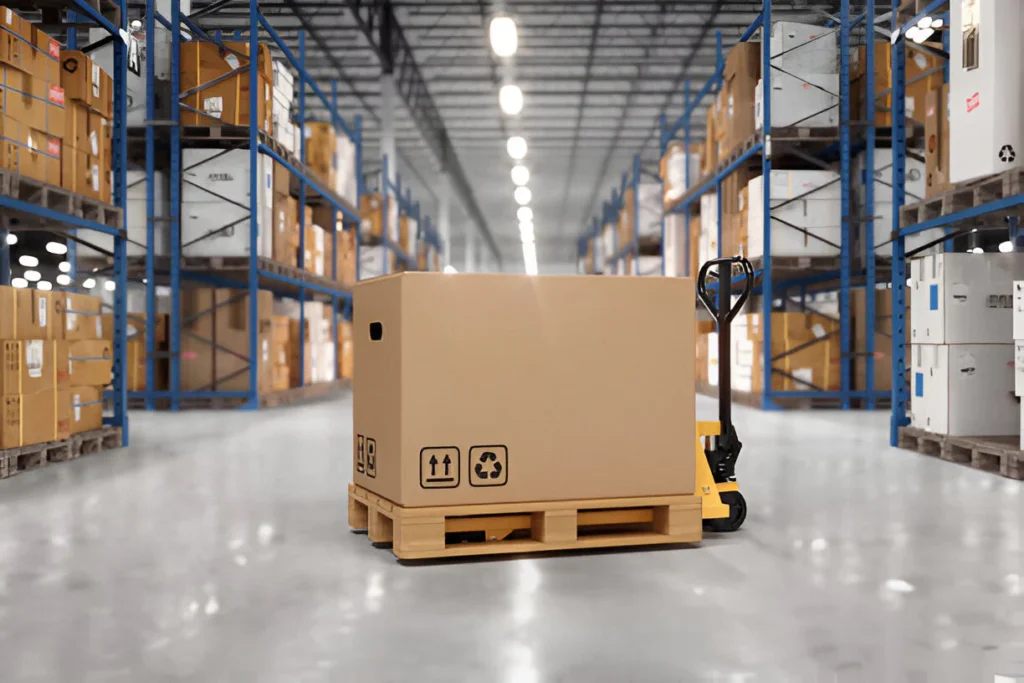
Manifest vs Blind Liquidation Pallets: What’s the Difference? Manifest liquidation pallets come with a detailed inventory list, while blind liquidation pallets do not. This single distinction shapes your risk exposure, upfront cost, profit potential, and how much time you’ll spend sorting inventory—making it one of the most consequential decisions a reseller will face. When buying liquidation tool pallets—especially from major retailers like Home Depot—buyers typically encounter these two main options. Understanding the difference between manifest and blind liquidation can significantly impact your profit margins, risk tolerance, and overall resale strategy. Here’s a clear breakdown of both methods so you can make smarter sourcing decisions. What Is Manifest Liquidation? Manifest liquidation means the buyer receives a detailed inventory list—called a manifest—before purchasing the pallet. This document typically includes product names, quantities, retail prices (MSRP), and sometimes condition notes. Manifest pallets offer transparency and predictability, making them a preferred starting point for new resellers or those managing category-specific inventory such as Home Depot tool pallets or brand-specific lots like Manifested Milwaukee Pallets. Key Benefits of Manifest Liquidation Transparency: Buyers know exactly what they’re purchasing—no guesswork involved. Better Profit Planning: Calculate potential ROI using the listed MSRP and estimated resale values before committing. Targeted Sourcing: Ideal for resellers who specialize in specific categories like power tools, plumbing supplies, or home improvement items. Things to Consider Higher Cost: Because manifest pallets carry reduced risk, they are typically priced higher than blind alternatives. Competition: Popular, high-value manifests are often acquired quickly by experienced resellers. Best for: Beginners, cautious buyers, and anyone focused on consistent, predictable returns. What Is Blind Liquidation? Blind liquidation—also called unmanifested or mystery pallets—means buyers purchase inventory without a detailed list of its contents. Buyers may receive a general product category (e.g., tools or appliances), but no item-level specifics. Blind pallets are better suited for experienced resellers who have efficient sorting and testing systems already in place. For example, buyers comfortable evaluating loose tool pallets or mixed outdoor tool pallets tend to perform well with this approach. Key Benefits of Blind Liquidation Lower Purchase Price: Higher risk is typically offset by a lower upfront cost and potentially higher margins. Hidden Gems: High-value items not reflected in the pallet price can significantly boost ROI. Less Competition: Fewer buyers are willing to take on the uncertainty, which means less competition at the point of purchase. Risks Involved Uncertainty: Buyers could receive low-demand, damaged, or unsellable goods. Time Investment: Sorting, testing, and evaluating items takes considerably longer than with manifest pallets. Inconsistent Returns: Profitability varies from pallet to pallet, making revenue forecasting difficult. Best for: Experienced resellers who are comfortable with risk and have established systems for handling mixed or unknown inventory. Manifest vs Blind Liquidation Pallets: Side-by-Side Comparison Feature Manifest Liquidation Blind Liquidation Inventory Visibility Full list provided No detailed list Risk Level Low to moderate High Cost Higher upfront Lower upfront Profit Potential Predictable Potentially higher Time Required Minimal sorting Extensive sorting/testing Which Liquidation Method Should You Choose? The right choice between manifest and blind liquidation depends on your experience level, budget, and operational capacity—not just your risk appetite. Manifest liquidation is better suited for beginners, resellers managing tight budgets, or anyone who needs reliable, consistent inventory flow. Blind liquidation works best when the buyer has experience evaluating unknown inventory, a system for processing mixed lots efficiently, and an appetite for higher risk in exchange for higher potential reward. Many successful resellers apply a hybrid strategy—purchasing manifest pallets for steady, predictable income while occasionally investing in blind pallets for high-risk, high-reward opportunities. According to B-Stock, one of the largest B2B liquidation marketplaces, diversifying sourcing strategies is a common trait among top-performing resellers. What to Look for When Buying Liquidation Pallets Regardless of which method you choose—manifest or blind—always evaluate the following before purchasing: Shipping Costs: Factor freight into your total cost of goods to accurately estimate margins. Item Condition: Understand whether goods are customer returns, overstock, or shelf pulls, as condition directly impacts resale value. Local Market Demand: Research what sells well in your area or on your primary resale platform (e.g., eBay, Facebook Marketplace, or local auctions). Pallet Category: Specialized pallets—such as wholesale tool pallets or generator pallets—often yield stronger margins than general merchandise lots. For a broader overview of how major retailers manage excess inventory, Investopedia’s guide to liquidation provides a reliable reference. Resellers looking to benchmark pricing and sourcing strategies can also consult Direct Liquidation, a platform that publishes category-level pricing data across retail return lots. Frequently Asked Questions About Manifest vs Blind Liquidation Pallets Q: Is manifest liquidation always more expensive than blind liquidation?Generally, yes. Manifest pallets carry a premium because buyers assume less risk. However, the price gap varies by category and supplier. High-demand categories like branded power tools—such as DeWalt mix tool pallets or Milwaukee tool pallets—can command significantly higher manifest prices compared to general merchandise. Q: Can I request a manifest for a blind pallet after purchasing?No. By definition, blind pallets do not come with an inventory manifest. The absence of a list is a core feature—and risk—of blind liquidation. If a supplier offers post-purchase manifests, the listing should be re-classified as a manifest pallet. Q: Where can I find trusted liquidation pallets for resale?Reputable sources include direct liquidation platforms, retail-specific auction sites, and specialty suppliers. Tool-pallets.com offers a curated range of tool liquidation pallets across both manifested and unmanifested categories—including Ridgid tool pallets, Milwaukee overstock pallets, and mixed Milwaukee & DeWalt pallets—making it a practical starting point for resellers at any experience level. Q: What is the difference between a blind pallet and a mystery pallet?Blind pallets and mystery pallets are the same thing. Both terms refer to liquidation inventory sold without an itemized manifest. The terminology varies by supplier and platform, but the core characteristic—no pre-purchase inventory list—remains consistent across both descriptions. Q: Are blind liquidation pallets worth it for beginners?Blind pallets carry a higher risk of receiving unsellable or low-demand goods, which makes them a poor fit for most beginners. New resellers
Where Are Milwaukee Tools Made? Manufacturing and Brand Guide
Where are milwaukee tools made? Milwaukee Tools are manufactured globally across the United States, China, Germany, Mexico, and Vietnam. While many power tools are produced overseas, Milwaukee Tool has significantly expanded its U.S. manufacturing footprint—particularly in Mississippi and Wisconsin—with ongoing investments in domestic production and job creation. If you’ve ever flipped a Milwaukee Tool over and squinted at the fine print, you’ve probably noticed it doesn’t always say what you’d expect. For a brand with “Milwaukee” right there in the name, the question of where Milwaukee tools are made is surprisingly layered. For contractors, resellers, hardware store owners, and liquidation buyers, it’s not just a curiosity—it directly shapes purchasing decisions. This guide breaks down everything you need to know: where Milwaukee tools are actually manufactured, how that footprint has shifted over the decades, what the “Made in USA” label really means on their products, and why any of this matters when you’re buying in bulk or stocking shelves.A Brief History of Milwaukee Tool Manufacturing Milwaukee Tool was founded in 1924 in Milwaukee, Wisconsin—hence the name. For most of its early history, the brand manufactured its products domestically. It built its reputation on heavy-duty power tools that tradespeople could rely on through a full workday, and for decades, that reputation was synonymous with American manufacturing. The shift came gradually. As global supply chains matured and manufacturing costs in Asia dropped significantly, Milwaukee Tool—like most major tool brands—began moving portions of its production overseas. The company was acquired by Techtronic Industries (TTI), a Hong Kong-based conglomerate, in 2005. TTI also owns other major tool brands, including Ryobi and AEG, and has extensive manufacturing infrastructure across Asia. That acquisition marked a turning point. TTI brought significant investment and R&D capability to the Milwaukee brand, accelerating product innovation—particularly in cordless tool technology. But it also meant that the “where are Milwaukee tools made” question became considerably more complex to answer.Where Are Milwaukee Tools Made Today? According to Milwaukee Tool’s own press materials, Milwaukee tools are currently manufactured in five countries: United States China Germany Mexico Vietnam No single country handles all production. Instead, manufacturing is segmented by product category, with different facilities specializing in different types of tools and accessories. Milwaukee Tools Made in the United States Milwaukee Tool has made a significant and very public push to expand U.S. manufacturing over the past several years. The brand now operates multiple facilities across Mississippi and Wisconsin, with more planned. Mississippi operations represent the largest concentration of Milwaukee Tool’s U.S. manufacturing presence. Key facilities include: Grenada County – Milwaukee Tool’s newest and largest U.S. manufacturing plant. The Grenada facility produces Milwaukee’s line of accessories, including the iconic SAWZALL® Blades, with plans to expand into additional product categories. The plant employs more than 800 people, making it a major economic driver for the region. Greenwood, Jackson, and Olive Branch – Additional manufacturing, distribution, and operations facilities spread across the state. These locations are expected to see further growth, creating an estimated 660 new jobs over a four-year period. Wisconsin operations are centered on the brand’s roots. In West Bend, Wisconsin, Milwaukee Tool opened a 95,000-square-foot manufacturing facility that produces hand tools specifically for the electrical, power utility, plumbing, and mechanical trades. The West Bend plant is the first development in the City of West Bend’s 216-acre West Bend Manufacturing Center. Milwaukee Tool also engineers and builds motors at its West Bend facility, using maximum copper content and top-grade rare earth magnets. Milwaukee Tool’s headquarters remain in Brookfield, Wisconsin. Milwaukee Tools Made Outside the United States The bulk of Milwaukee Tools cordless power tools—including many popular M12 and M18 platform tools—are manufactured in China and Vietnam. Some users have noted that identical product lines can come from different countries depending on the production run. For example, members of online tool communities have reported receiving an M12 drill made in Mexico and an M12 polisher made in a different country, both ordered separately. Germany handles some specialized production, while Mexico serves as a manufacturing hub for select product lines. This global approach allows Milwaukee Tool to manage costs, maintain production volume, and stay competitive in a market where rivals like DeWalt, Makita, and Bosch use similar international manufacturing strategies.What Does “Made in USA” Actually Mean on Milwaukee Tools? Milwaukee Tool’s “Made in USA” labeling falls into two distinct categories, each regulated by the Federal Trade Commission (FTC): “Made in USA” – This means the product is substantially manufactured in the United States, meeting the FTC’s standard that “all or virtually all” of the product’s components and processing are domestic. “Made in USA with Global Materials” – A qualified claim meaning the tool was manufactured or assembled in the U.S., but some components or raw materials originated overseas. According to Milwaukee Tool’s careers page, their West Bend, Wisconsin facility focuses specifically on “Made in the USA” hand tools for the trades. Products like Milwaukee’s pliers and screwdrivers carry this designation. The “Made in USA with Global Materials” label is more common on power tools and accessories. It is a legitimate, FTC-regulated claim—not a marketing shortcut—but it does mean the product isn’t entirely domestic in origin. For resellers and commercial buyers, this distinction matters. Customers who specifically seek “Made in USA” tools will look for that clear label. Stocking products from Milwaukee’s U.S.-manufactured lines—particularly hand tools from West Bend and accessories from Grenada—can serve as a genuine selling point and marketing advantage.Does Manufacturing Location Affect Milwaukee Tool Quality? Manufacturing location does not meaningfully affect Milwaukee Tool quality. Milwaukee Tool maintains consistent quality control standards across its global manufacturing network. TTI, Milwaukee’s parent company, has invested heavily in manufacturing processes and technology regardless of geography. The brand’s cordless tools—most of which are made in China or Vietnam—consistently earn top marks in professional reviews and have a loyal following among tradespeople who use them daily. That said, perceptions around manufacturing origin do influence buying decisions. Here is a practical breakdown: Quality Consistency Across Markets Milwaukee Tool’s global facilities are held to
Milwaukee Sale
A Milwaukee sale in the liquidation market means buying Milwaukee power tools, hand tools, and accessories in bulk — typically at 40% to 70% below retail. These pallets are sourced from overstock, customer returns, and surplus inventory, making them one of the most cost-effective ways for resellers, contractors, and store owners to stock up on high-demand tools. Milwaukee tools have earned a reputation for toughness, power, and reliability, which is exactly why they sell fast and rarely sit on clearance shelves for long. Skipping the big-box clearance rack and going straight to bulk liquidation pallets is the smarter path to maximizing purchasing power. If you’re a reseller, contractor, hardware store owner, or someone who flips tools for profit, this guide covers everything: how a Milwaukee sale works in the liquidation world, where to find the best deals, what to watch out for, and how to turn a single pallet purchase into repeatable profit. What Does a “Milwaukee Sale” Really Mean in the Liquidation Market? A Milwaukee sale, in the liquidation context, means purchasing a pallet packed with Milwaukee power tools, hand tools, accessories, and sometimes mixed-brand items at wholesale prices — often 40% to 70% below retail. These pallets originate from overstock, customer returns, shelf-pulls, and surplus inventory that retailers need to clear quickly. When most people hear “Milwaukee sale,” they picture a quick markdown at a big-box store. The real value sits somewhere else entirely — in the world of liquidation and wholesale pallets. Buyers aren’t paying full retail. They’re paying wholesale. Why Milwaukee Tools Are Worth Chasing Milwaukee isn’t just another tool brand. It’s one of the most trusted names among professionals and serious DIYers. Here’s why Milwaukee tools move quickly on the secondary market: Strong resale value: Milwaukee’s M18 and M12 lines hold their value well, even when sold as pre-owned or refurbished units. High demand: Contractors and tradespeople ask for Milwaukee by name — demand stays consistent year-round. Durability: These tools survive job-site abuse, which keeps buyers loyal and willing to pay a premium. Brand loyalty: Once someone buys into the Milwaukee battery ecosystem, they keep purchasing compatible tools and accessories. That combination makes Milwaukee tools one of the safest bets for resellers and liquidation buyers. Who Benefits Most from a Milwaukee Sale on Pallets? Bulk Milwaukee deals aren’t just for one type of buyer. Different buyers extract value in different ways: Resellers and Liquidation Buyers Resellers who flip tools on eBay, Amazon, Facebook Marketplace, or at local swap meets will find Milwaukee pallets particularly profitable. Selling tools individually typically returns two to three times the per-unit cost paid at liquidation prices. Hardware Store Owners Stocking shelves with Milwaukee products at wholesale prices improves margins significantly. Competitive retail pricing becomes much easier when the cost basis is 40–70% below MSRP. Construction Companies and Contractors Buying tools in bulk keeps crews equipped without draining operating budgets. When a drill fails on-site, having backup units on hand prevents costly downtime. Online Sellers Mixed pallets provide variety, helping sellers reach more buyers across different listings and categories simultaneously. Auction and Warehouse Buyers For liquidation businesses that move volume, pallets allow rapid scaling. Milwaukee tools reliably sell through, making volume-based revenue easier to forecast. How to Find the Best Milwaukee Sale Deals on Bulk Pallets Finding a legitimate Milwaukee sale deal requires due diligence. Not every pallet is created equal, and not every seller is trustworthy. Here’s how to track down the best bulk Milwaukee deals. Buy From a Trusted Supplier This is the single most important step. A reliable supplier provides accurate descriptions, fair pricing, and consistent quality. Tool Pallets offers Milwaukee and mixed-brand pallets sourced from surplus and liquidation inventory — packed and ready to ship. Their selection includes options like the Mixed Milwaukee & DeWalt Pallet and dedicated Milwaukee Tool Pallets, giving buyers flexibility depending on budget and resale goals. For broader context on how liquidation supply chains work, the National Association of Resale Professionals (NARTS) offers useful resources on sourcing and reseller best practices. The Secondary Materials and Recycled Textiles Association (SMART) also publishes guidance relevant to liquidation and surplus goods businesses. Compare Pallet Types Pallets generally fall into a few categories. The right choice depends on risk tolerance and what customers want: Pallet Type Best For Risk Level Brand-specific (Milwaukee only) Focused, consistent inventory Low–Medium Mixed-brand (Milwaukee, DeWalt, Makita) Variety and broader appeal Medium Mystery box Experienced buyers seeking lower upfront cost High Milwaukee-only pallets are better suited for resellers who already have an established customer base seeking that brand specifically. Mixed-brand pallets work best for sellers who want to diversify listings and attract a wider audience across multiple platforms. Check the Manifest A manifest is a detailed list of what’s inside the pallet. Manifested pallets cost more, but the contents are clearly disclosed upfront. Unmanifested pallets are cheaper but come with more uncertainty. For first-time buyers, a manifested Milwaukee pallet is the safer, lower-risk entry point. Read Reviews and Ratings Always check customer feedback before purchasing. Look for sellers with consistent positive reviews about product condition, packaging, and shipping speed. What to Expect Inside a Milwaukee Tool Pallet While contents vary by source, here’s what buyers typically find in a Milwaukee-focused or mixed pallet: Cordless drills and impact drivers M18 and M12 batteries and chargers Circular saws and reciprocating saws Hand tools: wrenches, pliers, and screwdrivers Measuring tools and tape measures Work lights and accessories Occasionally, larger items like blowers or grinders Returns pallets may include items that need minor cleaning or testing. Shelf-pull pallets often contain near-new condition tools. Milwaukee tool returns pallets are clearly labeled as untested, while Milwaukee overstock pallets typically contain unused surplus inventory.Smart Tips to Maximize Your Profit from a Milwaukee Sale Buying the pallet is only half the equation. What happens next determines the actual return. Test Everything Before Reselling Always inspect and test each tool. A quick test now prevents refunds and negative reviews later. Customers trust sellers who guarantee working products. Bundle and Separate Strategically